Natural vs Synthetic Fragrance: What's the Difference?
Anthology BeautyShare
Few debates in the fragrance world are more passionate — or more misunderstood — than the one between natural and synthetic ingredients. Both have devoted advocates. Both have genuine merits. And the most extraordinary fragrances in the world typically use both. Here's what you actually need to know.
What Are Natural Fragrance Ingredients?
Natural fragrance ingredients are derived directly from plant, animal, or mineral sources. Rose absolute is extracted from rose petals. Sandalwood oil is distilled from sandalwood heartwood. Vanilla absolute comes from cured vanilla pods. These ingredients carry the full complexity of their natural source — hundreds of individual aroma molecules working together to create something no laboratory has yet fully replicated.
The beauty of naturals is their depth and unpredictability. A rose absolute from Bulgaria will smell subtly different from one grown in Turkey. The same ingredient harvested in different years will have slight variations. This natural variation is part of what makes fine fragrance so endlessly fascinating.
What Are Synthetic Fragrance Ingredients?
Synthetic aroma molecules are created in a laboratory — either by isolating and reproducing naturally occurring molecules, or by creating entirely new ones that have no natural equivalent. Some of the most beloved fragrance ingredients in the world are synthetic: musks like Iso E Super, woody molecules like Ambroxan, and the clean, soapy Hedione that gives many florals their luminous quality.
Synthetics offer consistency, stability, and access to scent profiles that simply don't exist in nature. The smell of a fresh ocean breeze, clean laundry, or a specific type of wood can only be achieved synthetically. They also make fragrance more sustainable — replacing ingredients like musk deer secretions or endangered sandalwood with laboratory alternatives that are kinder to the planet.
The False Hierarchy
The idea that natural is automatically better than synthetic is one of the most persistent myths in fragrance. Some natural ingredients are highly allergenic. Some synthetics are extraordinarily beautiful and entirely safe. The quality of a fragrance is determined by the skill of the perfumer and the quality of the ingredients — not by whether those ingredients came from a field or a laboratory.
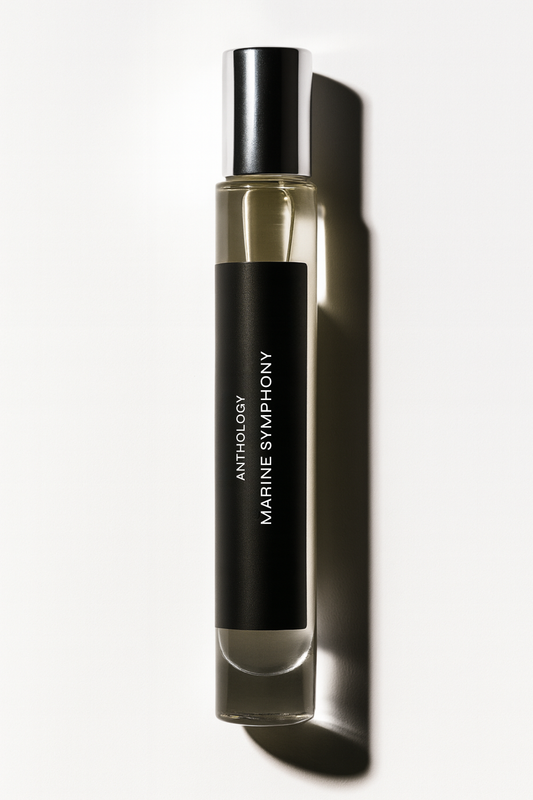
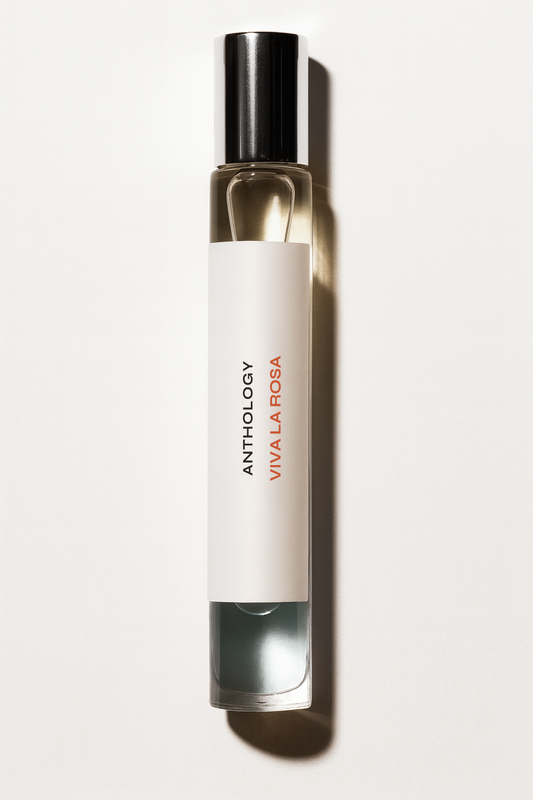
Our Rose on Fire Perfume Oil and Viva La Rose Perfume Oil use rose in all its complexity — natural and synthetic elements working together to create something richer than either could achieve alone. Our Chilly Pacific Perfume Oil and Marine Symphony Perfume Oil achieve their beautiful aquatic freshness through synthetic molecules that simply have no natural equivalent.
What Matters Most
Rather than asking whether a fragrance is natural or synthetic, ask whether it is beautiful, well-crafted, and right for you. The best perfumers use every tool available to them — natural and synthetic — in service of creating something extraordinary. Explore our full Anthology Perfume Oils collection and let the result speak for itself.