Note Deep Dive: Jasmine — The King of Flowers in Perfumery
Anthology BeautyShare
If rose is the queen of fragrance notes, jasmine is the king — and the distinction is meaningful. Where rose is beloved, universally appealing, and endlessly versatile, jasmine is powerful, slightly dangerous, and deeply complex. It is the note that gives great fragrances their animalic edge, their intoxicating depth, and their quality of almost overwhelming sensuality. No other single ingredient does more to make a fragrance truly compelling rather than merely beautiful. This is the story of the king of flowers.
What Is Jasmine?
Jasmine in perfumery primarily refers to two species: Jasminum grandiflorum (Spanish or Royal jasmine, grown primarily in Grasse, France, Egypt, and India) and Jasminum sambac (Arabian jasmine, grown primarily in India, China, and Southeast Asia). Both produce small white flowers of extraordinary aromatic intensity, but their characters are meaningfully different.
Jasminum grandiflorum produces a floral absolute of great elegance and complexity — rich, slightly fruity, and with a quality of luminous warmth that makes it one of the most beautiful florals in fine perfumery. Grasse jasmine absolute, harvested from the Pays de Grasse region of the French Riviera, is considered the finest quality in the world and is extraordinarily expensive — it takes approximately seven million flowers, all hand-picked before sunrise to preserve their volatile aromatic compounds, to produce one kilogram of absolute.
Jasminum sambac has a different character — richer, more indolic, slightly more tropical, with a quality of warmth and intensity that differs from the more refined character of grandiflorum. It is widely used in Indian attar production and is the jasmine of South and Southeast Asian garland traditions.
The Indole Question
Jasmine contains indole — a naturally occurring organic compound that is also present in various biological materials and that has a complex, slightly animalic, almost faecal quality at high concentrations. In jasmine, indole is present at levels that contribute to the flower's intoxicating, slightly dangerous quality without becoming unpleasant — it is the indole that gives jasmine its depth, its sensuality, and its almost carnal undertone that sets it apart from simpler, cleaner florals.
This is why jasmine can smell both beautiful and slightly overwhelming, both innocent and deeply sensual. The indole content creates a complexity that mirrors the paradox of the flower itself — delicate white blossoms producing an aroma of extraordinary power and depth. Perfumers who understand jasmine use its indolic quality as a tool, calibrating its concentration precisely to achieve the level of sensuality and depth they are seeking.
Jasmine's Role in Perfumery
Jasmine is one of the most widely used ingredients in fine fragrance — present in an estimated 80% of feminine fragrances and a significant proportion of masculine ones. It functions primarily as a heart note, providing depth, warmth, and a quality of floral richness that no synthetic can fully replicate. It is also one of the great blenders in perfumery — its complex molecular structure allows it to harmonise beautifully with almost every other ingredient, softening harsh synthetics, deepening lighter florals, and adding warmth and sensuality to any composition it enters.
Jasmine also acts as a natural fixative, its heavier molecules helping to anchor lighter notes and extend their life on skin. This combination of aromatic beauty, blending versatility, and fixative properties makes it one of the most indispensable ingredients in the perfumer's palette.
The Sambac vs Grandiflorum Distinction in Modern Fragrance
Contemporary perfumers often distinguish carefully between the two primary jasmine species when constructing compositions. Grandiflorum is typically preferred for European-style floral and floral-oriental compositions, where its elegance and refinement are most at home. Sambac is more commonly used in compositions drawing on South Asian, Middle Eastern, or tropical fragrance traditions, where its richer, more indolic character contributes a quality of lush, enveloping warmth.
Some of the most sophisticated contemporary jasmine fragrances use both species in combination, using grandiflorum for the composition's floral refinement and sambac for its depth and sensuality.
Jasmine at Anthology
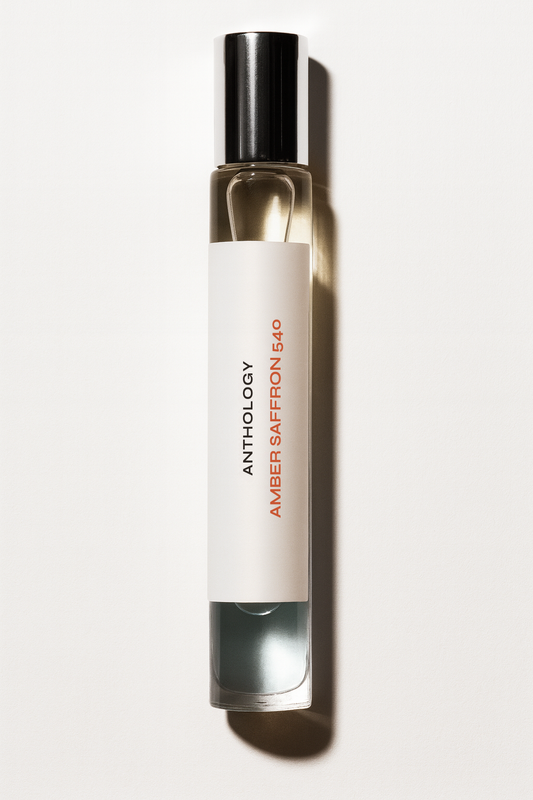
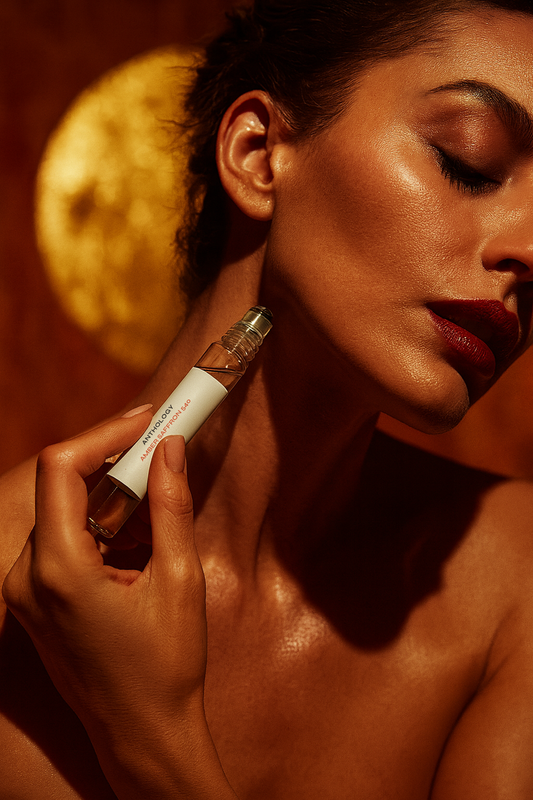
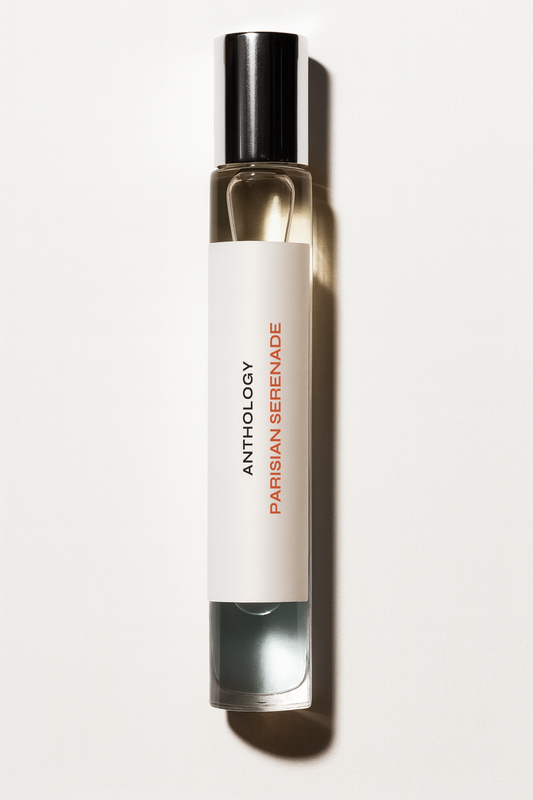
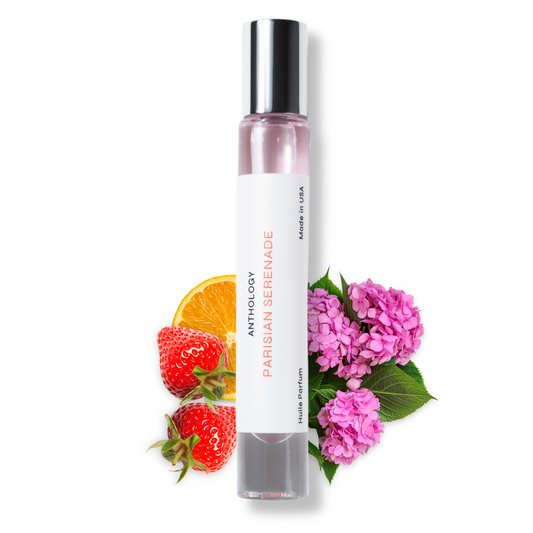
Jasmine's warmth, depth, and quietly sensual character runs through several of our most beloved compositions as a supporting heart note, providing the richness and complexity that makes them so compelling on skin. Our Parisian Serenade Perfume Oil places jasmine at the heart of a romantic floral composition of great elegance, while our Amber Saffron 540 Perfume Oil uses jasmine to add floral depth and warmth to its exotic amber-saffron accord.
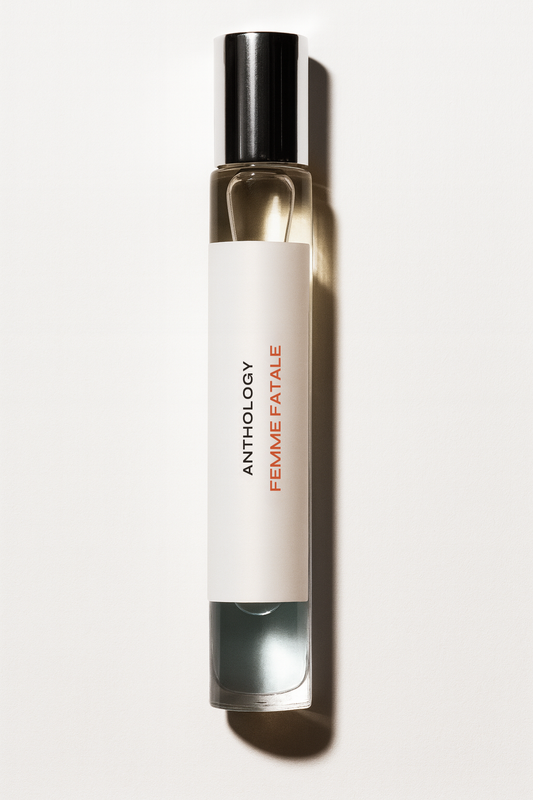
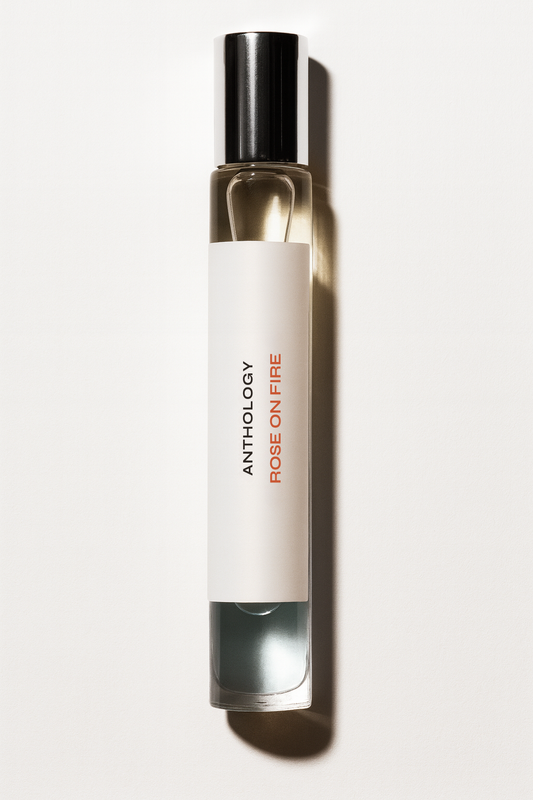
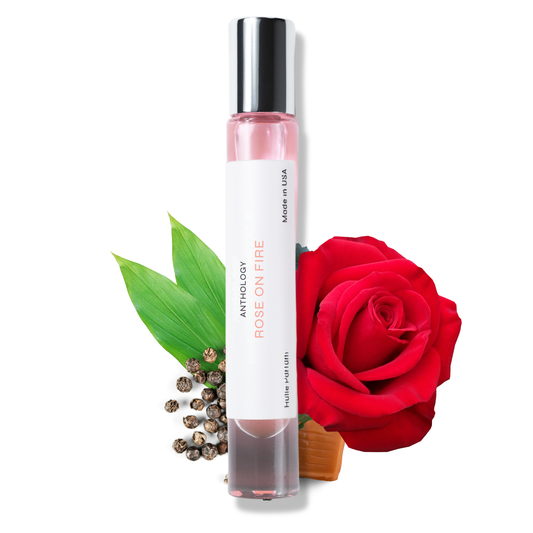
Our Femme Fatale Perfume Oil uses jasmine's slightly animalic, indolic quality to give its dark floral composition an edge of genuine danger and seduction, while our Rose on Fire Perfume Oil weaves jasmine into a passionate rose composition where the two great floral notes amplify each other's depth and complexity beautifully.
Explore our full Anthology Perfume Oils collection and discover the king of flowers in all his complex, intoxicating glory.