Note Deep Dive: Neroli — The Blossom That Smells Like a Royal Wedding
Anthology BeautyShare
There is a moment in the Italian spring — typically in April and May, when the bitter orange trees of Sicily, Calabria, and the Amalfi Coast are in full bloom — when the air becomes something extraordinary. The scent of orange blossom in that moment is one of the most intensely beautiful natural aromas in the world: fresh and floral, slightly honeyed, slightly green, and carrying a quality of luminous, aristocratic elegance that no other flower quite replicates. This is the raw material of neroli — and it is one of the most important and most beautiful ingredients in the entire history of fine fragrance.
What Is Neroli?
Neroli is the essential oil steam-distilled from the fresh blossoms of the bitter orange tree (Citrus aurantium). It takes its name from Anne Marie Orsini, Princess of Nerola — an Italian noblewoman of the late 17th century who is said to have been so devoted to orange blossom perfume that she scented her gloves, her bath, and her personal linen with it, making the scent fashionable throughout the Roman aristocracy and eventually all of Europe. The association between neroli and aristocratic elegance has been embedded in the fragrance's cultural identity ever since.
The same bitter orange tree produces three distinct aromatic materials: neroli from the blossoms, petitgrain from the leaves and twigs, and bitter orange from the peel. Each is meaningfully different in character — neroli is the most delicate and most floral, petitgrain is greener and more woody-aromatic, and bitter orange is more citrus-forward and bright. Together, they form a complete aromatic portrait of the bitter orange tree — and all three are important in fine perfumery.
The Smell of Neroli
Neroli's aroma is one of the most immediately recognisable and most universally beautiful in the fragrance world. It is simultaneously floral and fresh — white, slightly honeyed, and carrying a characteristic slightly bitter-green quality that gives it a sophistication and a tension that prevents it from being merely sweet. It has a quality of luminous transparency — a brightness that is different from citrus brightness, more complex and more floral — and a slightly powdery, slightly waxy undertone that gives it depth and persistence.
The primary aroma compounds responsible for neroli's character include linalool (fresh, slightly floral and spicy), linalyl acetate (floral, slightly fruity), limonene (clean, citrus), nerolidol (woody, slightly floral), and indole (which gives neroli, like jasmine, its slightly animalic, intoxicating depth at low concentrations). It is this combination — particularly the balance of linalool's freshness against nerolidol's warmth and indole's depth — that creates neroli's distinctive quality of being simultaneously innocent and deeply complex.
Neroli and the Royal Wedding Tradition
The association between orange blossom and weddings has ancient roots — the flowers symbolise purity, fertility, and eternal love in Mediterranean, Arab, and Asian traditions alike — but it was Queen Victoria's choice to wear orange blossom at her wedding to Prince Albert in 1840 that established the tradition most firmly in European and Western consciousness. From that moment, orange blossom became the defining floral of Western weddings, and its scent — neroli — became inseparably associated with the emotions of that particular moment: hope, beauty, the beginning of a new life together.
This cultural association gives neroli a unique emotional resonance that few other fragrance ingredients possess. It smells like a beginning — like something beautiful and significant about to happen. This quality is not just poetic: it is the product of centuries of cultural conditioning, and it makes neroli one of the most emotionally powerful ingredients available to a perfumer who wants to evoke joy, hope, and the particular beauty of significant moments.
Neroli's Role in Perfumery
Neroli functions most naturally as a top-to-heart note, bridging the fresh brightness of citrus opening notes with the warmth and depth of floral heart notes. It is one of the defining ingredients of the eau de cologne tradition — the original Eau de Cologne, created in Cologne in the early 18th century, was built around neroli, bergamot, and citrus in a composition of legendary freshness and elegance. Neroli also appears frequently in chypre compositions, where its luminous freshness provides the brightness that bergamot sometimes cannot alone achieve, and in oriental compositions, where its floral warmth adds an unexpected dimension of delicacy and light.
Neroli pairs beautifully with bergamot (sharing and amplifying each other's brightness and elegance), with jasmine (the two white florals creating a composition of extraordinary depth and beauty), with sandalwood (where neroli's brightness is perfectly grounded by sandalwood's creamy warmth), and with musks (where it creates a skin-close freshness of great refinement).
Neroli at Anthology
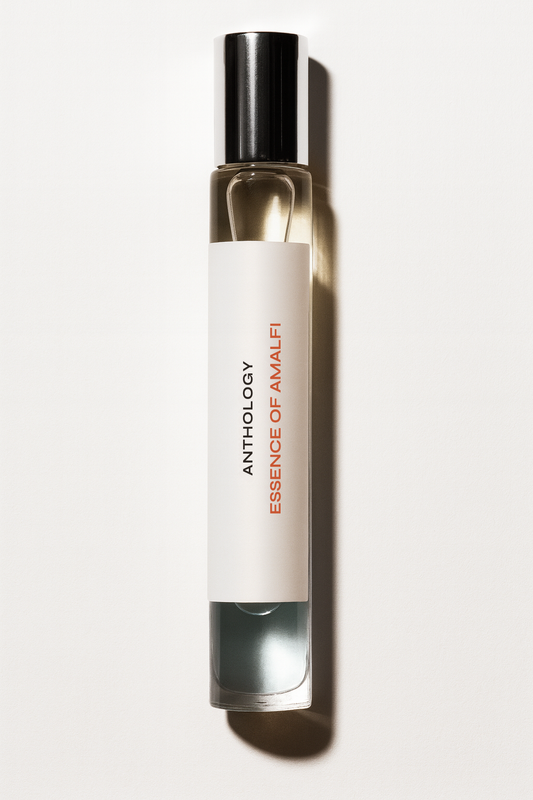
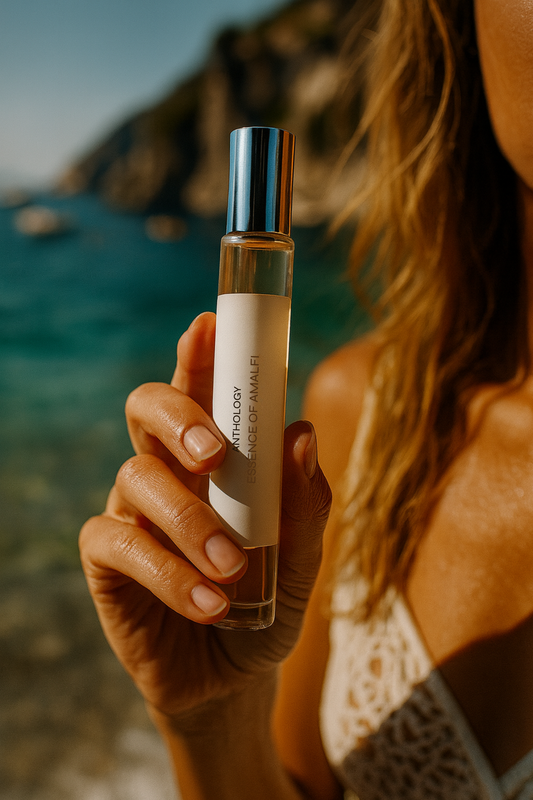
Neroli's luminous, aristocratic freshness runs through several of our most refined and most immediately beautiful compositions. Our Essence of Amalfi Perfume Oil places neroli at the heart of a composition evocative of the Italian coast in spring — the precise landscape and the precise moment from which neroli derives its most beautiful associations. Our Serene Bloom Perfume Oil uses neroli's luminous floral quality to add depth and elegance to its clean floral accord.
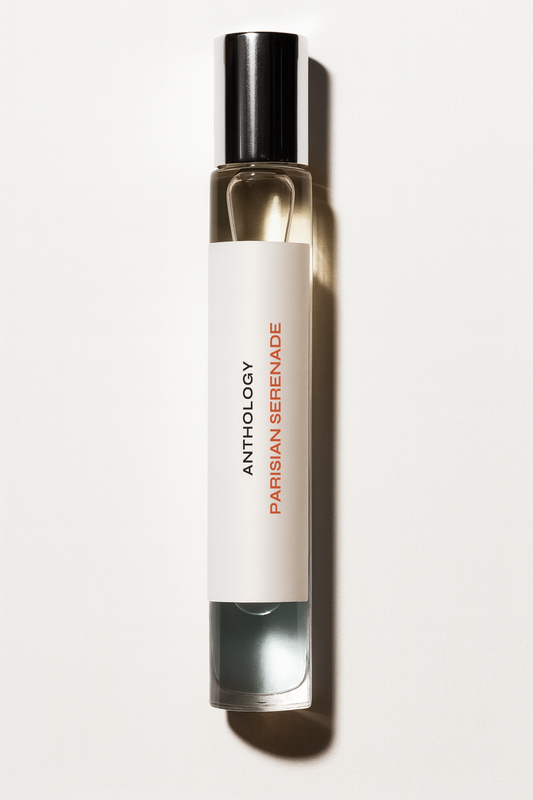
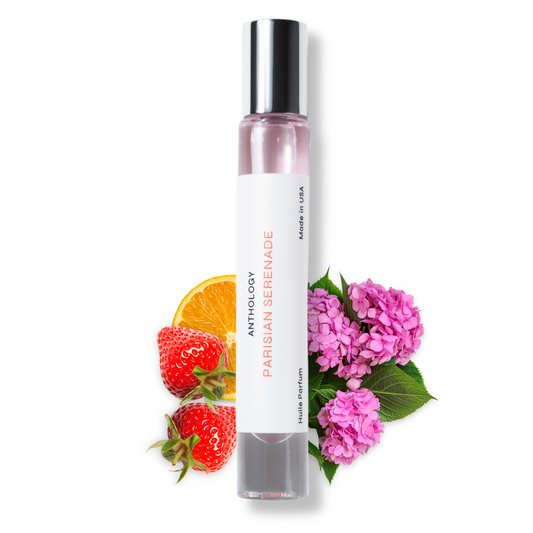
Our Sublime Bergamot Perfume Oil pairs bergamot's brightness with neroli's floral depth in the great citrus-floral tradition of the eau de cologne, while our Parisian Serenade Perfume Oil weaves neroli into a romantic floral composition where its aristocratic elegance elevates the entire accord.
Explore our full Anthology Perfume Oils collection and encounter neroli — the blossom of royal weddings, Mediterranean springs, and every beautiful beginning — in all its luminous, aristocratic glory.