Note Deep Dive: Vetiver — The Most Sophisticated Root in Perfumery
Anthology BeautyShare
Among fragrance enthusiasts, vetiver occupies a position of extraordinary reverence. It is the note that connoisseurs cite as a marker of sophistication — an ingredient that rewards experience and attention, that reveals new facets the more closely you listen to it, and that possesses a complexity and depth that few other natural materials can match. It is also, for many newcomers to fine fragrance, deeply challenging. Vetiver is an ingredient that takes time to understand — and repays that time generously.
What Is Vetiver?
Vetiver (Chrysopogon zizanioides) is a perennial grass native to India, grown commercially in Haiti, Java, Réunion, Brazil, and several other tropical regions. Unlike most aromatic plants, whose fragrance comes from their flowers or leaves, vetiver's aroma comes entirely from its roots — a dense, fibrous root system that reaches deep into the soil and can extend several metres below the surface.
The roots are harvested, washed, dried, and steam-distilled to produce vetiver essential oil: a thick, dark, viscous liquid whose colour ranges from amber to dark brown depending on its origin. The distillation process is slow and requires careful management — vetiver oil can take 18 to 24 hours to fully distill, compared to the 1 to 2 hours required for most other essential oils. This slow distillation is part of what gives vetiver its extraordinary complexity.
The Smell of Vetiver
Vetiver's aroma is one of the most complex in the natural world. At its core, it is earthy — deeply, profoundly earthy, with a quality of soil and roots and the deep green darkness of dense tropical vegetation. But within this earthiness there are layers of remarkable complexity: a smokiness that suggests campfire and incense, a woody quality that is dry and slightly cedar-like, a clean aquatic dimension that is almost mineral in character, and a subtle sweetness underneath that keeps the whole from being merely austere.
The character of vetiver varies significantly depending on its origin. Haitian vetiver — considered by many perfumers to be the finest in the world — is smoky, woody, and deeply complex, with an almost leathery quality. Javanese vetiver is softer and sweeter, with a more pronounced earthy-green character. Réunion vetiver (also known as Bourbon vetiver) is the most refined and elegant, with a beautiful balance of earthy, woody, and slightly floral qualities.
The Chemistry of Vetiver
Vetiver oil contains over 150 identified aroma compounds, which is one of the reasons its smell is so extraordinarily complex and difficult to describe. The primary components include vetiverol (earthy, woody), vetivone (smoky, orris-like), and khusimol (woody, slightly floral). These molecules are large, heavy, and slow to evaporate — which is why vetiver is one of the most tenacious natural ingredients in perfumery, with exceptional longevity both in the bottle and on skin.
Vetiver's Role in Perfumery
Vetiver is almost always a base note, providing depth, longevity, and a quality of grounded earthiness to any composition it inhabits. It is one of the great fixatives in perfumery — its heavy molecules anchor lighter notes and extend their life on skin dramatically. But vetiver is not merely a supporting player. In the hands of a great perfumer, it can be the star — the defining character of a composition that reveals new facets over hours of wear.
Vetiver pairs beautifully with almost every fragrance family. With citrus, it creates a sophisticated, grounded freshness — the combination of bright bergamot and earthy vetiver is one of perfumery's great pairings. With rose, it creates a depth and complexity that transforms a simple floral into something genuinely sophisticated. With oud, it creates an earthy, resinous depth of extraordinary power. With sandalwood, it creates a woody accord of great warmth and nuance.
Vetiver as a Meditation
Fragrance educators sometimes describe vetiver as a 'meditation note' — an ingredient that requires stillness and attention to fully appreciate. Unlike bergamot or rose, which announce themselves immediately and obviously, vetiver reveals itself slowly, rewarding those who take the time to pay close attention to what they are smelling. This quality — of depth that reveals itself gradually — is part of what makes vetiver so beloved among experienced fragrance lovers and why it is so often cited as the note that transformed someone's relationship with fragrance.
Vetiver at Anthology
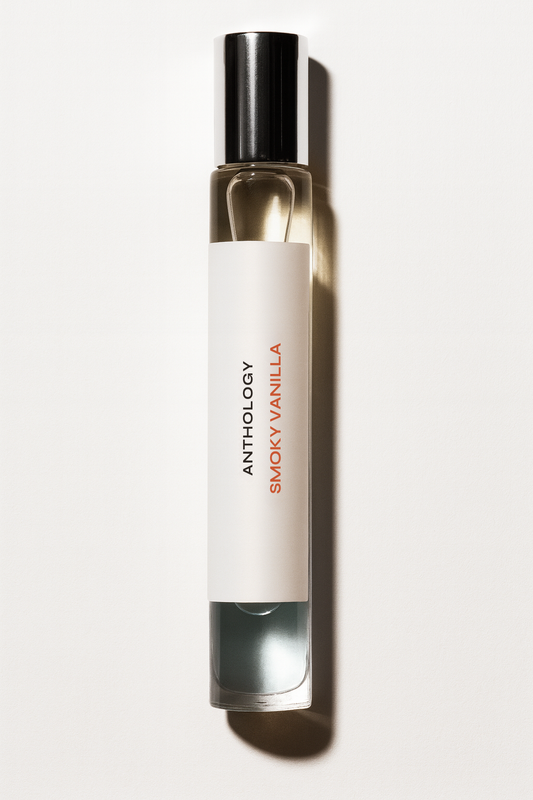
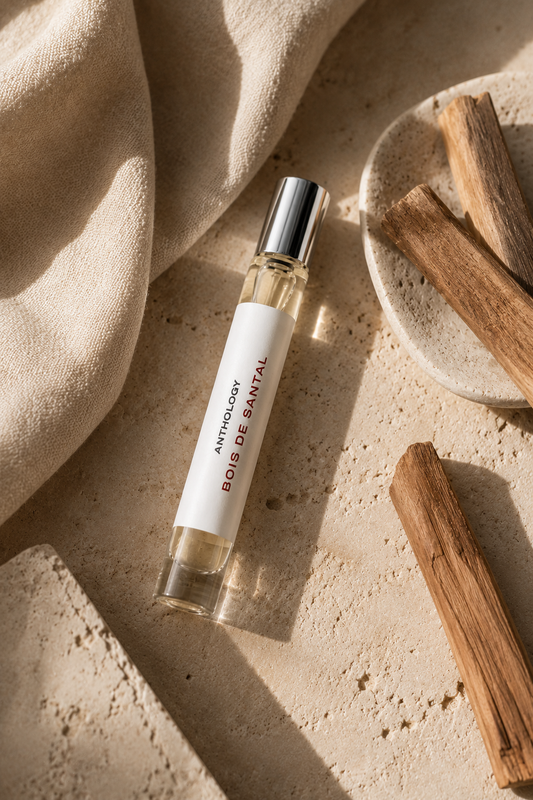
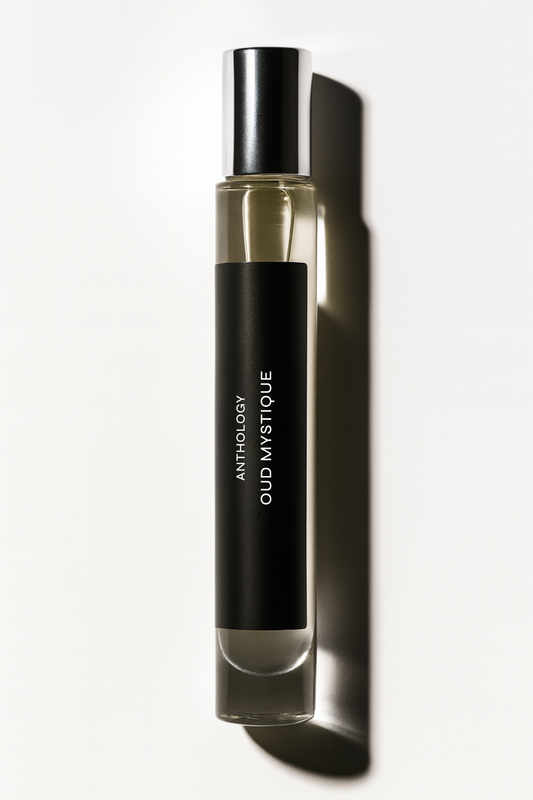
Vetiver's grounding, earthy depth runs through several of our most sophisticated compositions as a supporting base note, providing the foundation and longevity that makes our oils develop so beautifully over time. Our Oud Mystique Perfume Oil uses vetiver to add an earthy, smoky dimension to its resinous oud heart, while our Bois De Santal Perfume Oil pairs vetiver's earthy complexity with sandalwood's creamy warmth to create a woody base of exceptional depth and nuance.
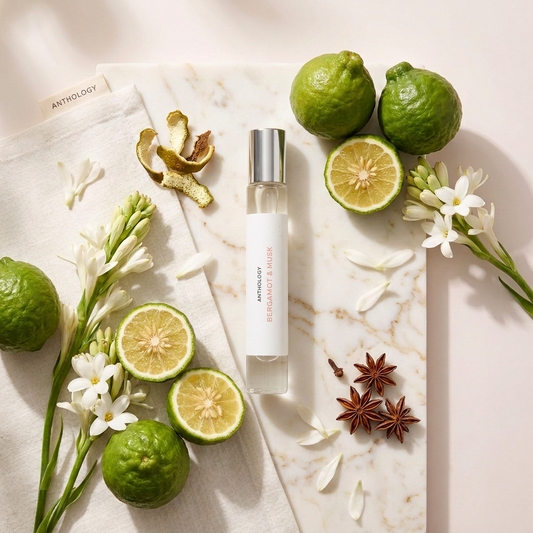
Our Sublime Bergamot Perfume Oil uses the classic bergamot-vetiver pairing — bright citrus grounded by earthy depth — to create something that is simultaneously fresh and deeply sophisticated. Explore our full Anthology Perfume Oils collection and listen closely for vetiver's quiet, extraordinary presence.