Parfum vs EDP vs EDT vs Perfume Oil: What's the Difference?
Anthology BeautyShare
Walk into any fragrance department and you'll encounter a bewildering array of terms: parfum, eau de parfum, eau de toilette, eau de cologne, perfume oil. What do they all mean — and which one is right for you? Here's a clear, definitive guide.
It's All About Concentration
The key difference between these formats is the concentration of fragrance oil in the formula. Higher concentration means more fragrance, less alcohol, stronger scent, and longer longevity. Lower concentration means more alcohol, lighter scent, and shorter wear time.
Parfum (Extrait de Parfum)
Parfum, also called extrait de parfum or pure perfume, is the most concentrated format — typically containing 20–40% fragrance oil. It is the richest, most complex, and longest-lasting of all spray formats, often lasting 8–12 hours on skin. It is also the most expensive, due to the high concentration of fragrance ingredients. A single drop goes a long way.
Eau de Parfum (EDP)
Eau de parfum contains 15–20% fragrance oil and is the most popular format in luxury fragrance. It offers excellent longevity (typically 6–8 hours), strong projection, and a full expression of the fragrance's character. Most designer and niche fragrances are released in EDP concentration.
Eau de Toilette (EDT)
Eau de toilette contains 5–15% fragrance oil. It is lighter, fresher, and more affordable than EDP, with a wear time of typically 3–5 hours. EDT is a popular choice for daytime and casual wear, particularly in warmer months when a lighter touch is preferred.
Eau de Cologne (EDC)
Eau de cologne is the lightest spray format, containing just 2–4% fragrance oil. It is highly refreshing but very short-lived — typically lasting 1–2 hours. The term 'cologne' is often used colloquially to refer to men's fragrance, but technically it simply refers to this low concentration format.
Perfume Oil: The Superior Alternative
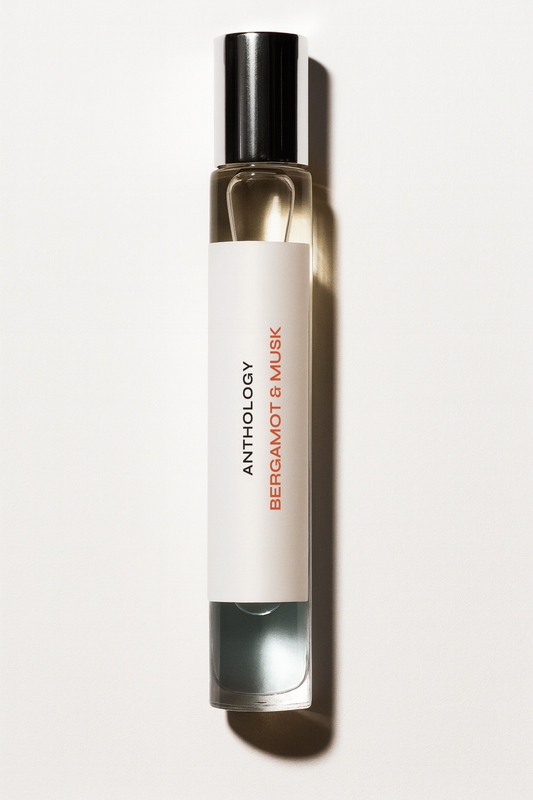
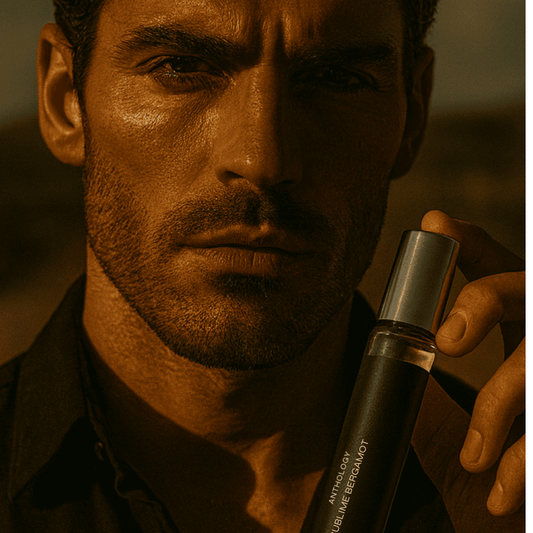
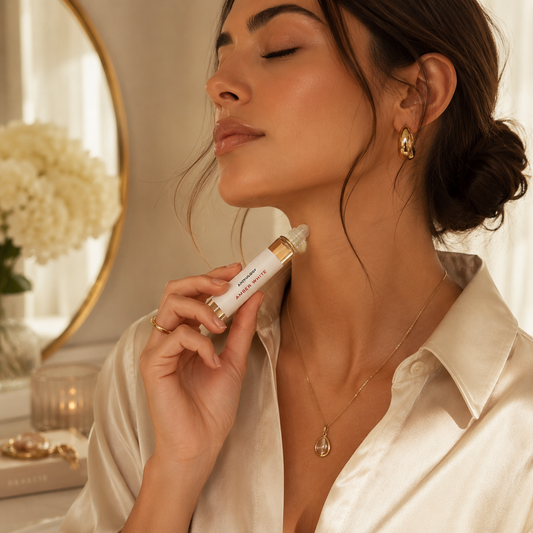
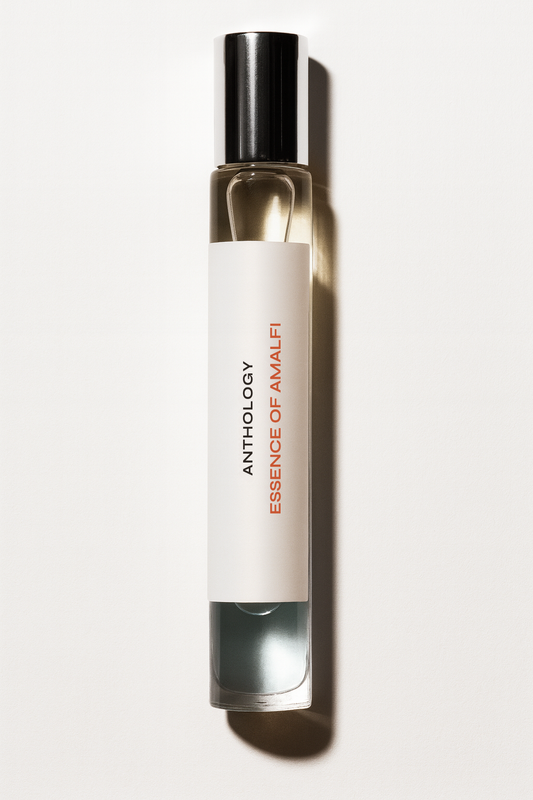
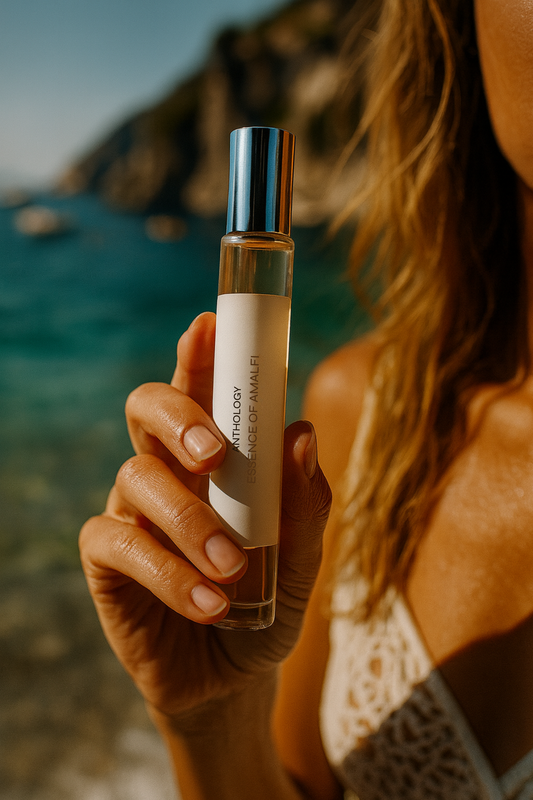
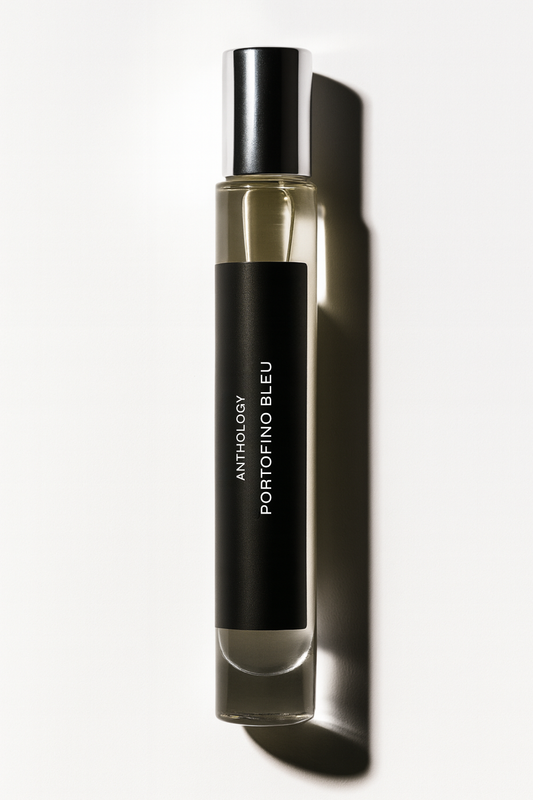
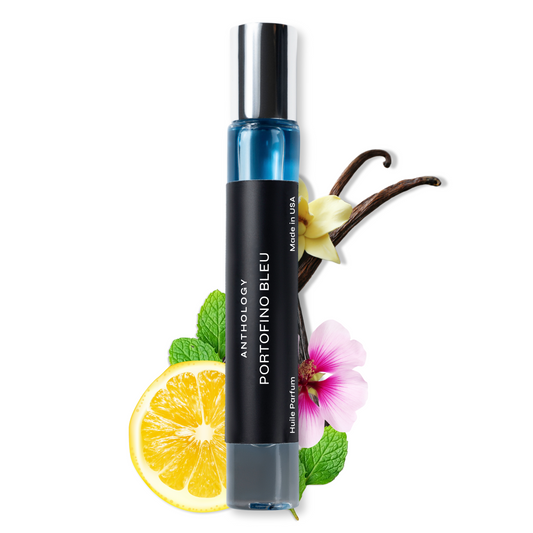
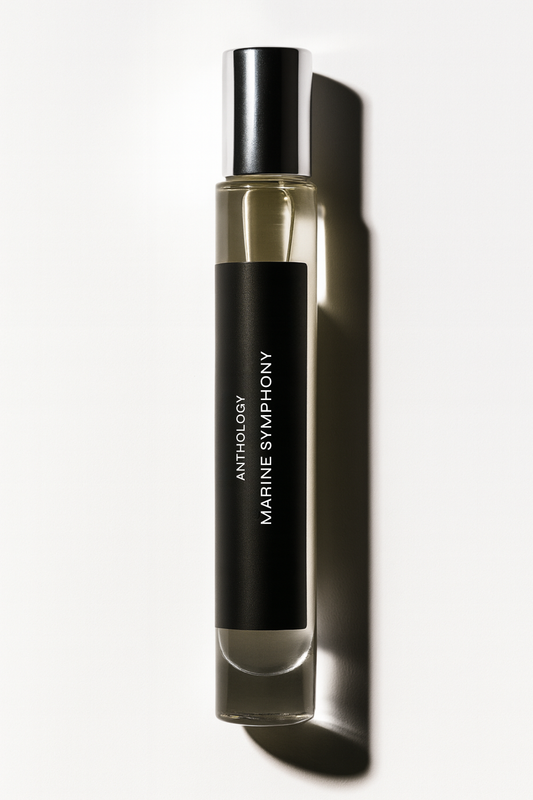
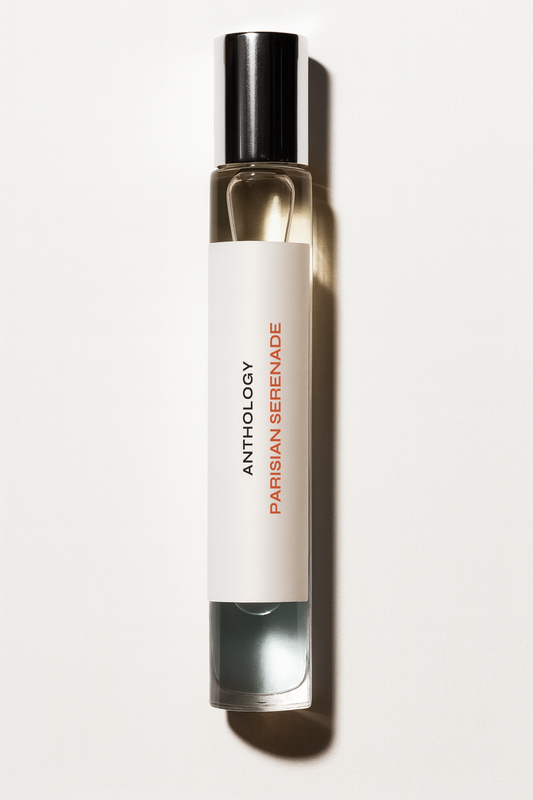
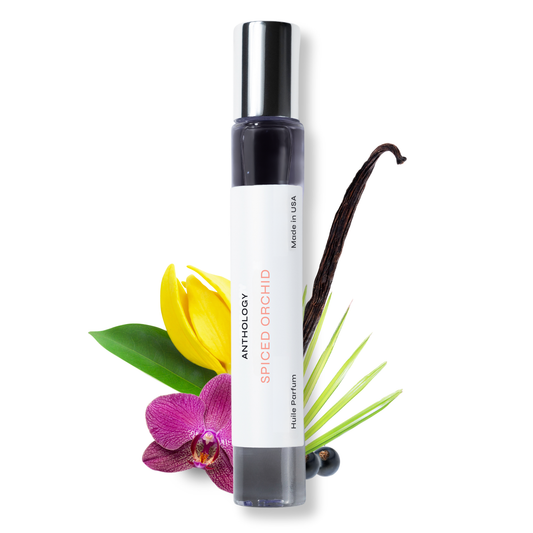
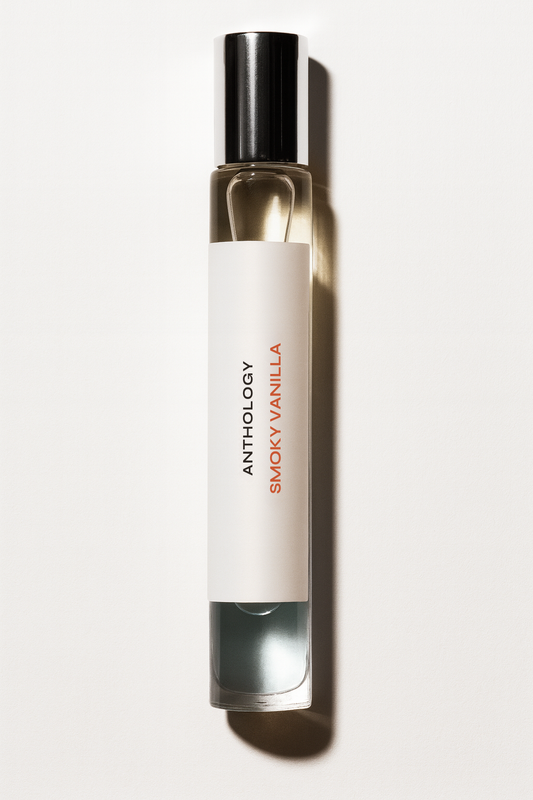
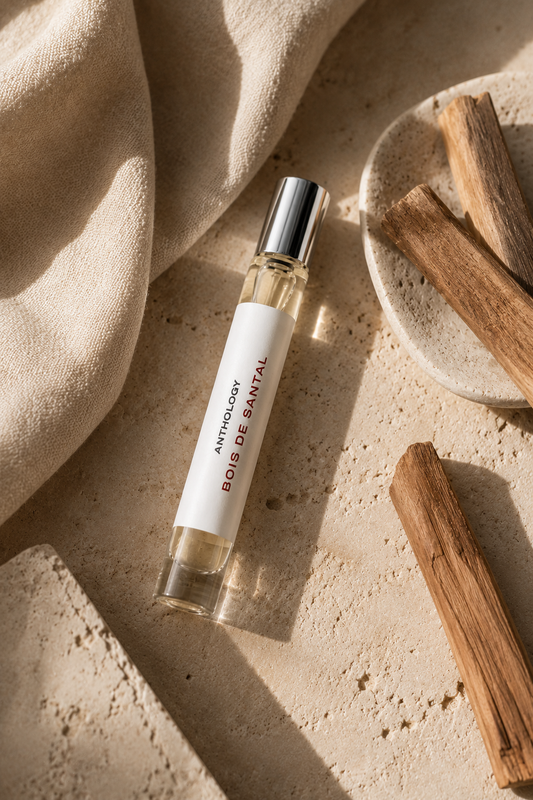
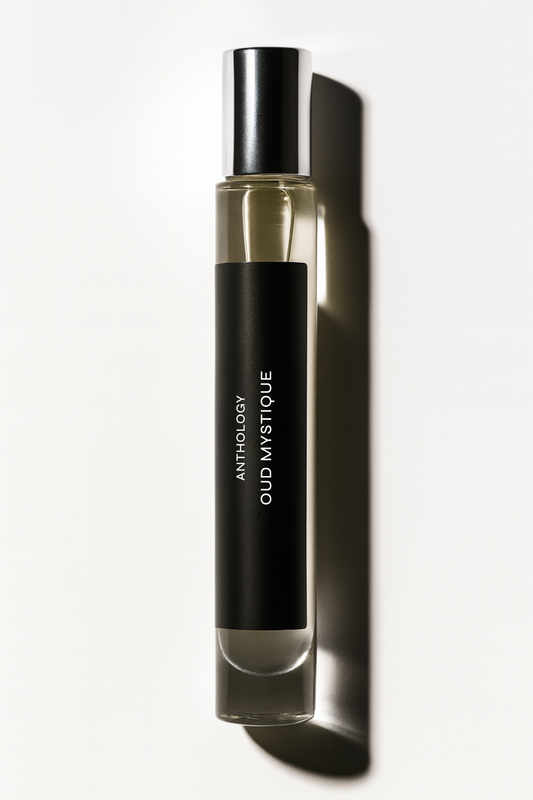
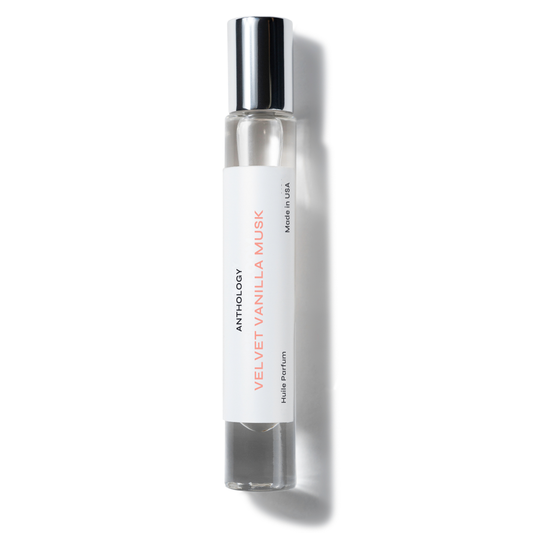
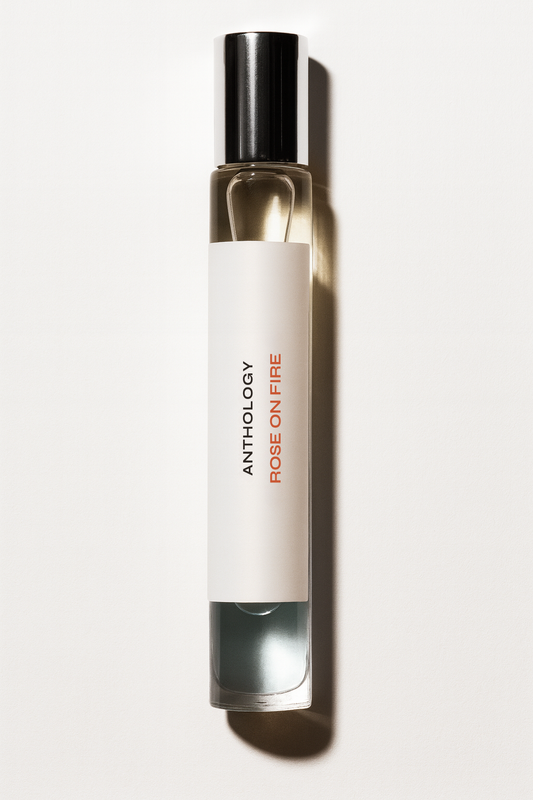
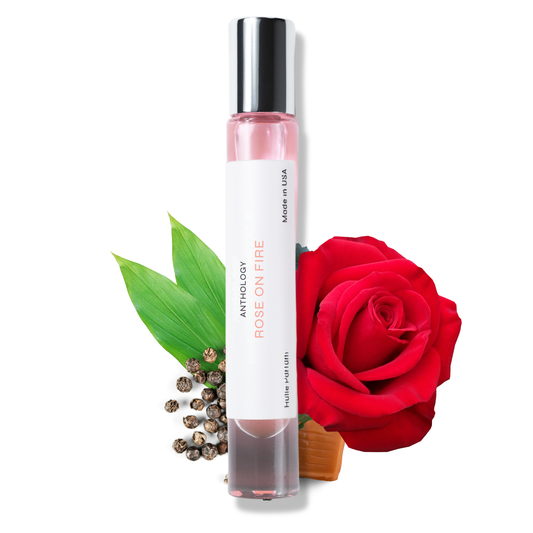
Perfume oil sits outside this concentration hierarchy entirely — and in many ways above it. A high-quality perfume oil contains 15–30% or more of pure fragrance, suspended in a carrier oil rather than alcohol. The absence of alcohol means the fragrance develops more slowly and intimately on skin, with no sharp opening note and exceptional longevity.
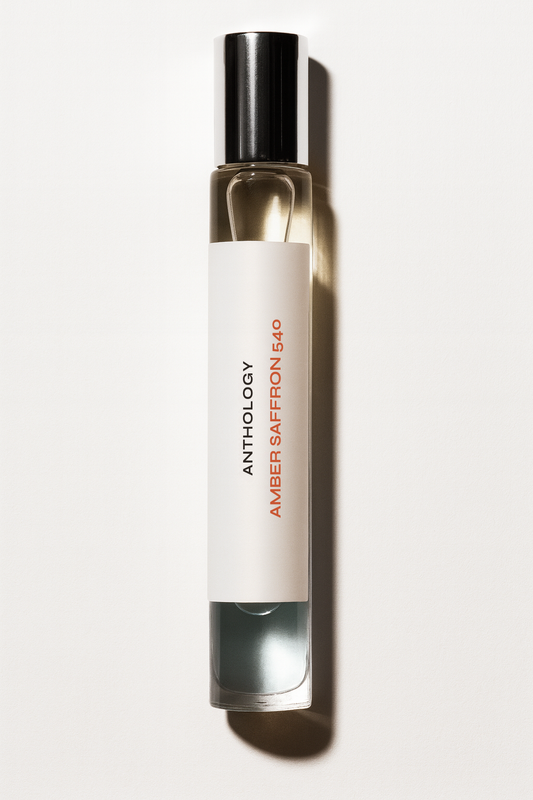
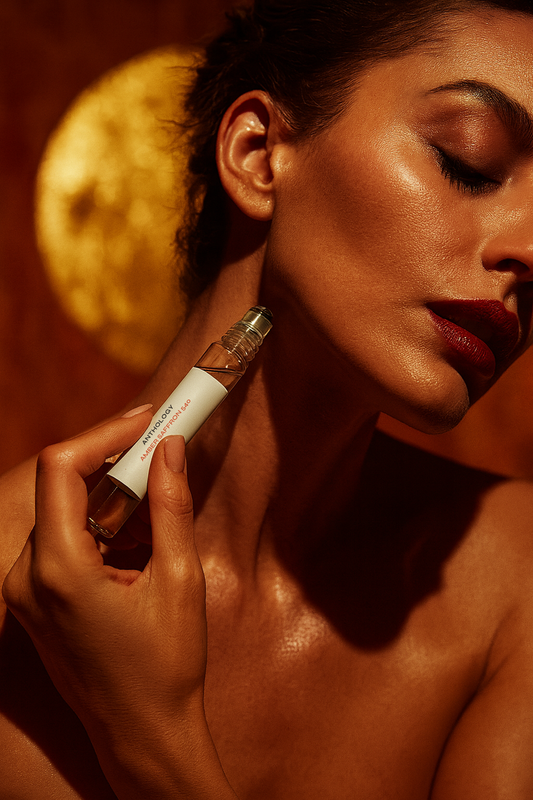
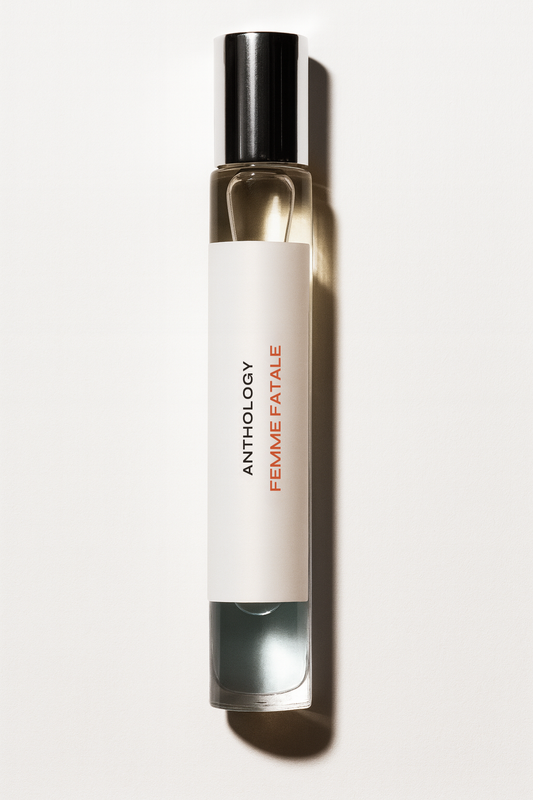
Perfume oil is also more economical in use — a single drop applied to a pulse point delivers hours of beautiful, skin-close scent. Our Amber Saffron 540 Perfume Oil and Femme Fatale Perfume Oil rival the richness and longevity of the finest parfums, while our Citrus Matcha Perfume Oil and Chilly Pacific Perfume Oil deliver the freshness of an EDT with far superior staying power.
Explore our full Anthology Perfume Oils collection and experience the difference concentration — and format — makes.