What Does 'Clean Fragrance' Actually Mean?
Anthology BeautyShare
'Clean fragrance' is one of the most talked-about terms in the beauty industry right now — and one of the most misunderstood. It appears on packaging, in marketing campaigns, and across social media, yet there is no universal definition, no regulatory standard, and no single agreed-upon list of what makes a fragrance 'clean.' So what does it actually mean?
The Origins of the Term
The clean beauty movement emerged in response to growing consumer concern about synthetic chemicals in personal care products. Applied to fragrance, 'clean' generally signals that a product has been formulated without certain ingredients considered potentially harmful — such as parabens, phthalates, synthetic musks, and certain allergens. But because the term is unregulated, brands define it differently, and what one brand calls 'clean' another might not.
What Clean Fragrance Typically Excludes
Most brands using the 'clean' label avoid a core set of ingredients: phthalates (used as fixatives), synthetic musks like galaxolide and tonalide (which have raised environmental concerns), formaldehyde-releasing preservatives, and certain high-allergen botanicals. Some brands go further, excluding all synthetic ingredients entirely in favour of naturals.
The Case for Perfume Oil as a Cleaner Format
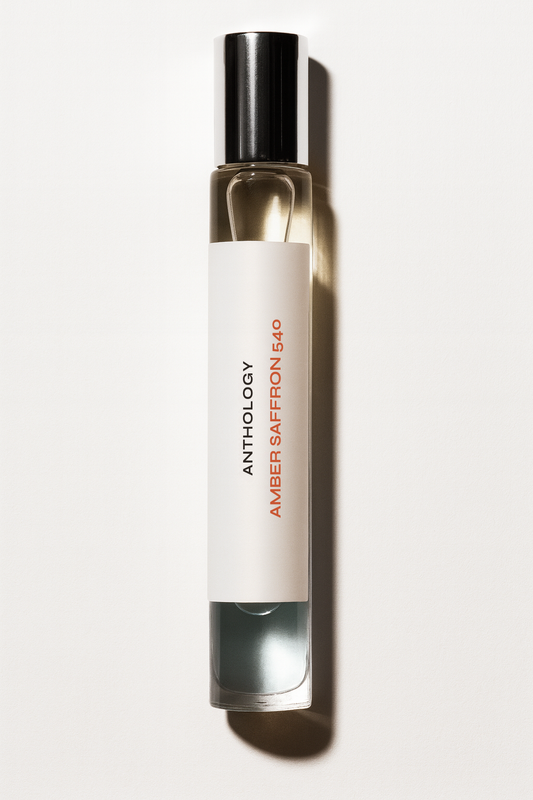
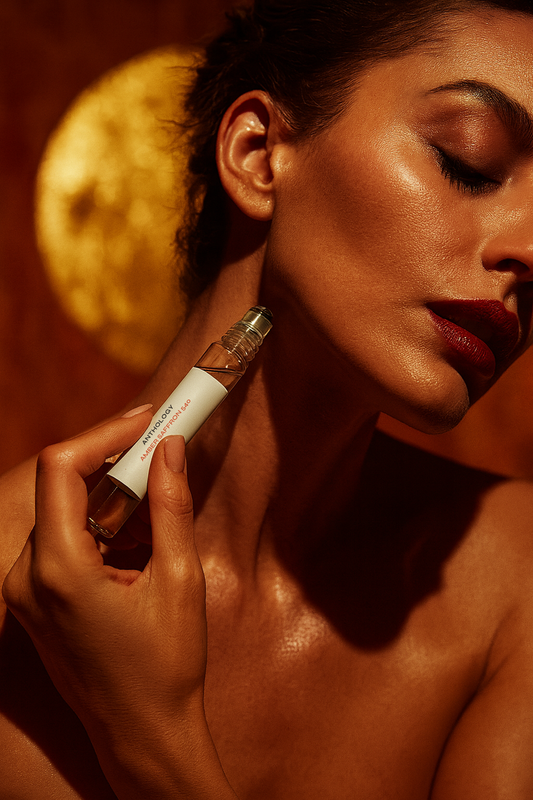
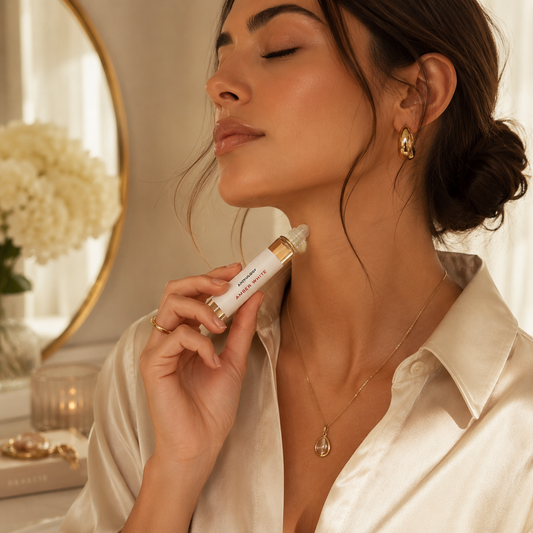
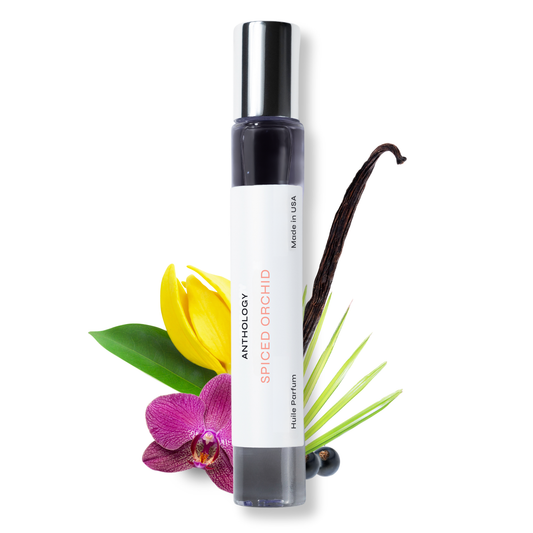
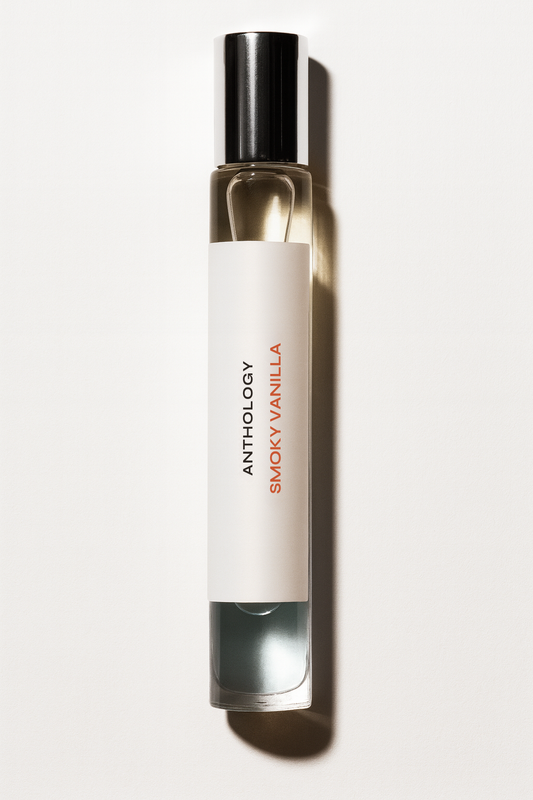
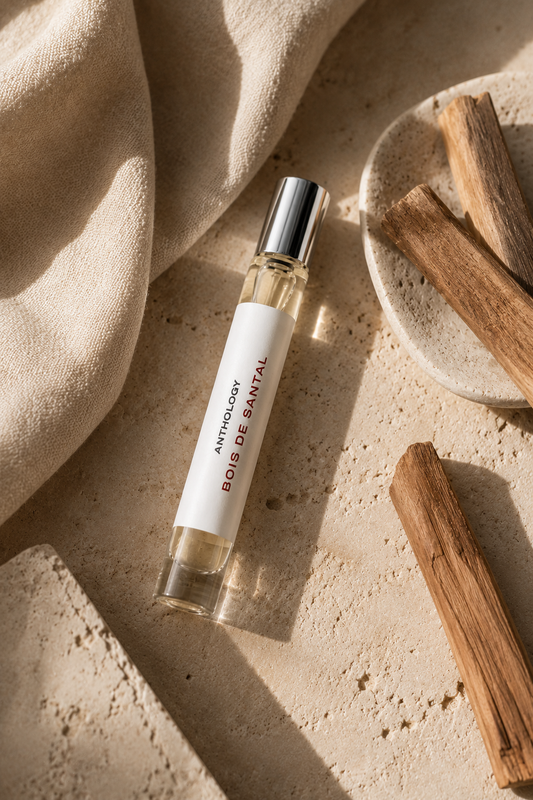
Perfume oil is inherently aligned with many clean fragrance principles. It contains no alcohol — eliminating a common irritant and drying agent. It is suspended in a carrier oil rather than a synthetic solvent base. And because it is applied directly to skin in small amounts rather than sprayed into the air, the overall exposure to any given ingredient is significantly lower.
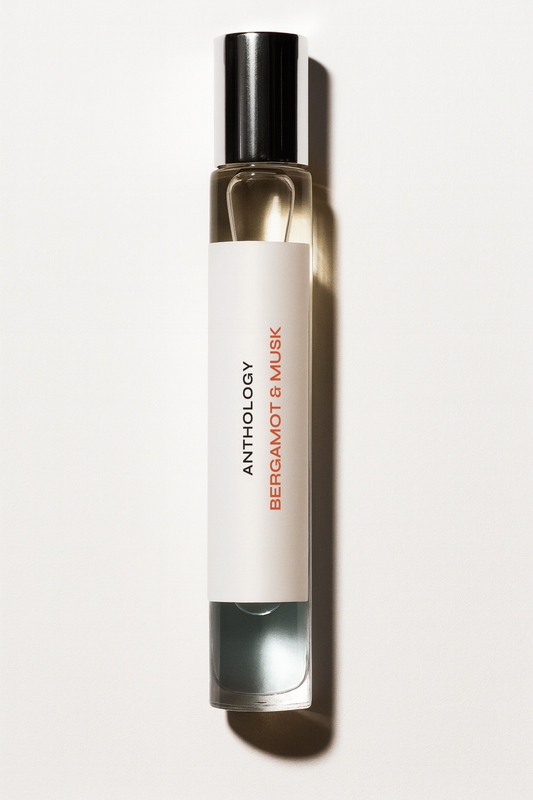
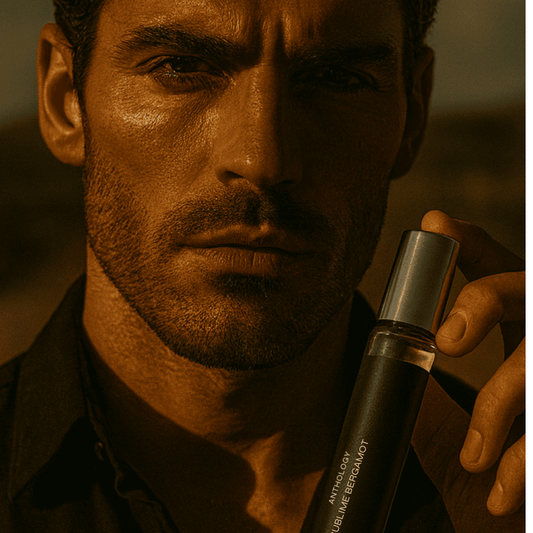
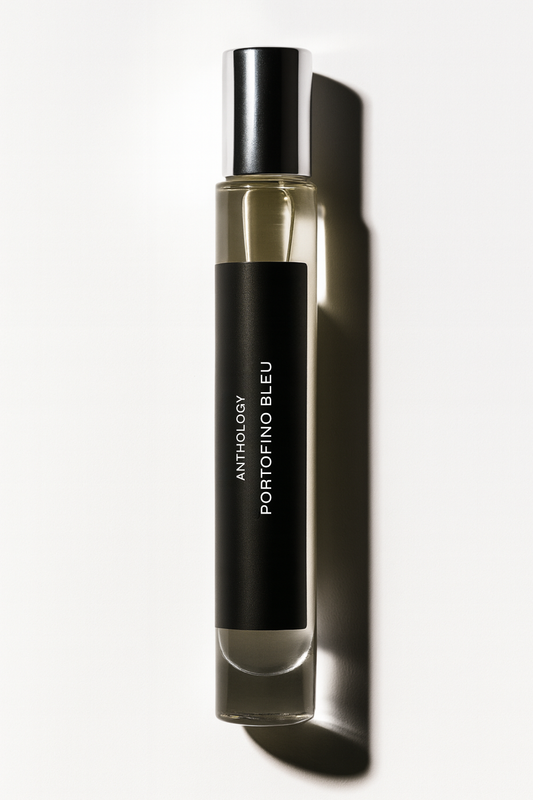
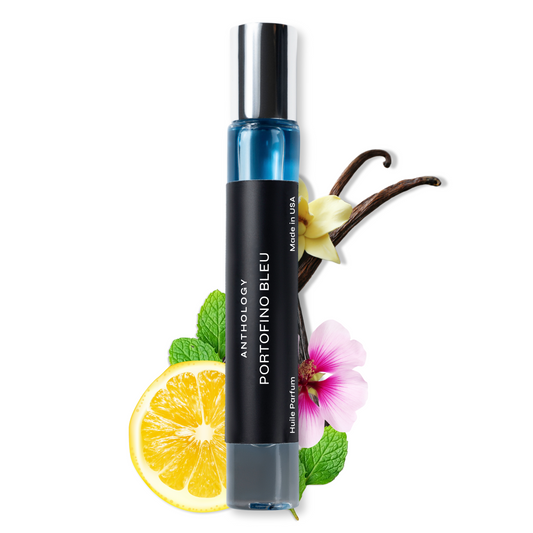
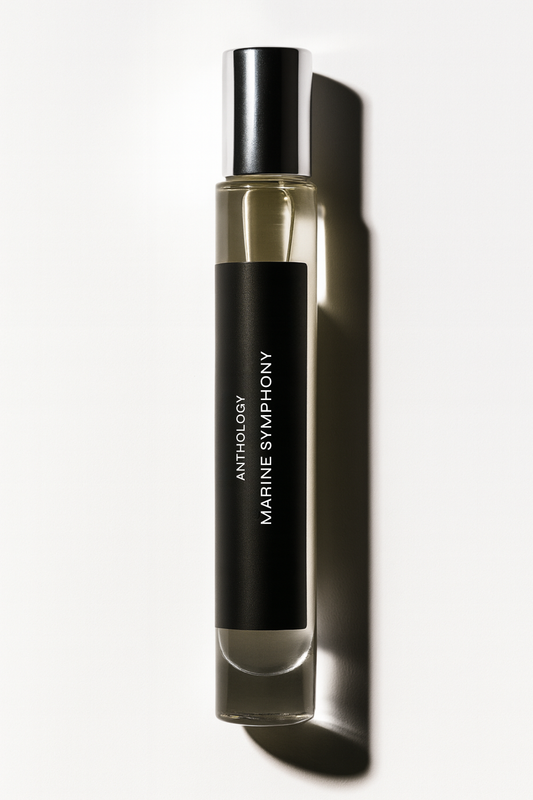
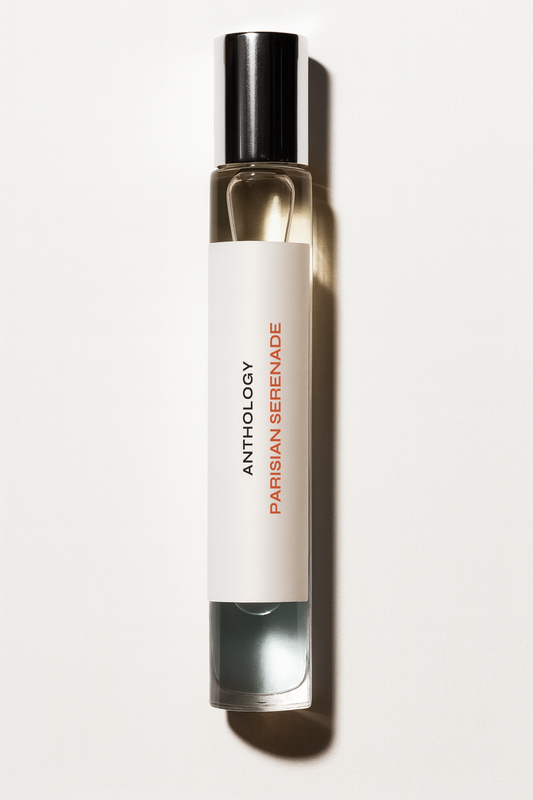
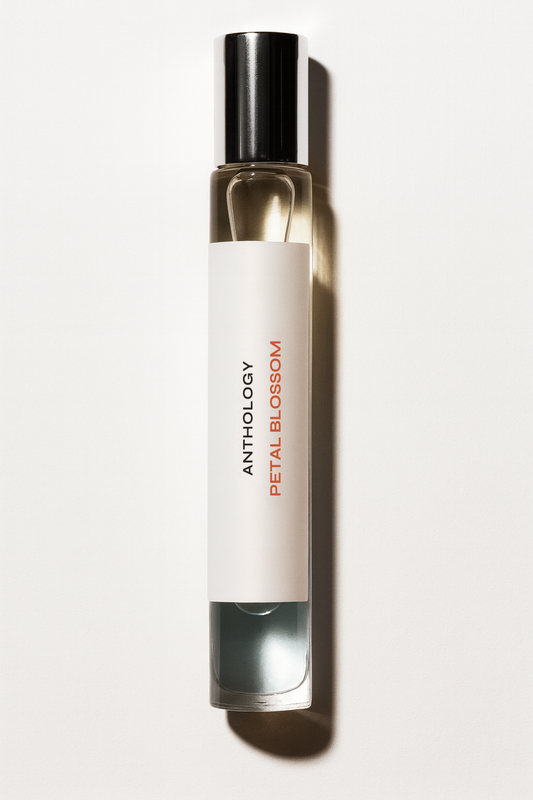
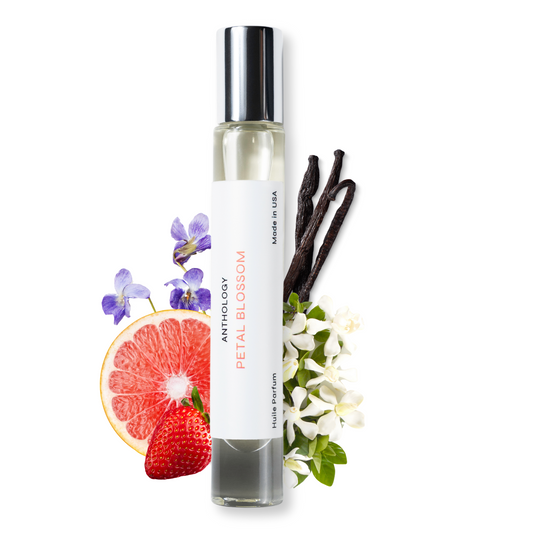
Our Sublime Bergamot Perfume Oil and Citrus Matcha Perfume Oil are beautiful examples of fresh, bright compositions that feel clean and transparent in character. For those drawn to soft, skin-friendly musks, Vanilla White Flowers Perfume Oil and Petal Blossom Perfume Oil offer a gentle, luminous quality that embodies the clean aesthetic.
Clean vs. Natural: Not the Same Thing
It's worth noting that 'clean' and 'natural' are not synonymous. A fragrance can be clean without being entirely natural — and natural ingredients are not automatically safe or non-allergenic. Some of the most common fragrance allergens are naturally derived. The clean fragrance conversation is ultimately about transparency, intentionality, and informed formulation — not simply about avoiding all synthetics.
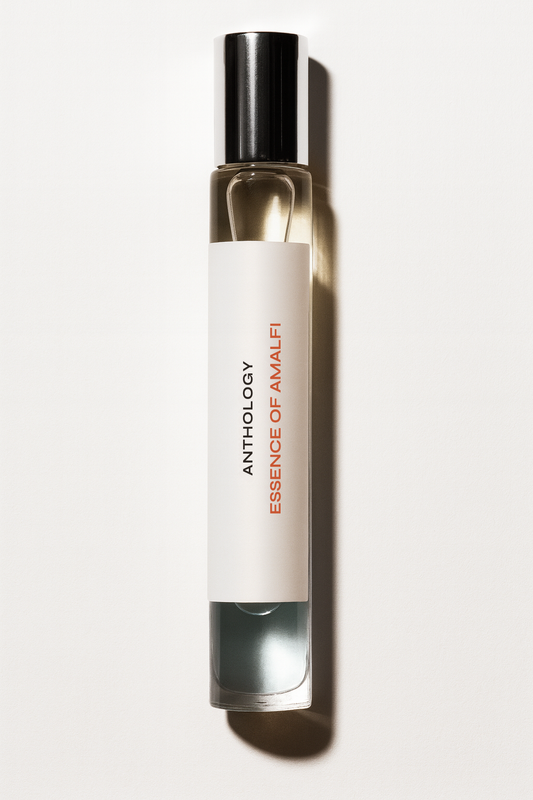
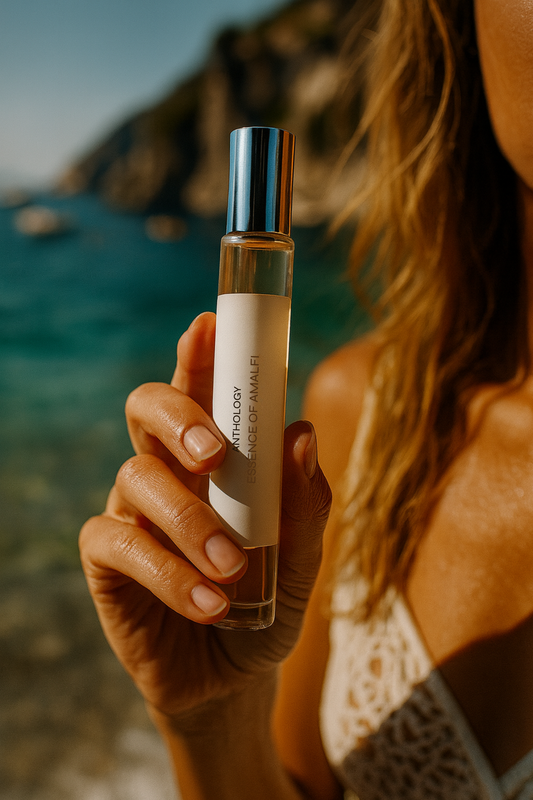
Explore our Anthology Perfume Oils collection — alcohol-free, skin-close, and thoughtfully composed.