What Is the Difference Between a Chypre and an Oriental Fragrance?
Anthology BeautyShare
Two of the most important and most discussed fragrance families in fine perfumery — chypre and oriental — represent fundamentally different olfactory worlds, different emotional registers, and different histories. Understanding what distinguishes them is one of the most useful things you can learn about how fragrance is categorised, and it will help you navigate the world of fine fragrance with considerably more precision.
What Is a Chypre Fragrance?
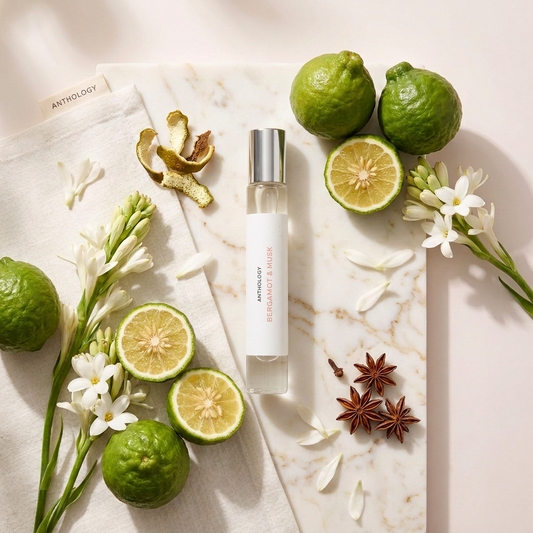
The chypre (pronounced 'sheep-ruh,' from the French word for Cyprus) is one of the oldest and most important fragrance families in Western perfumery. The category was defined by François Coty's Chypre fragrance of 1917, which established a structure built on three defining elements: bergamot (fresh, bright, citrus) at the top, rose and jasmine in the heart, and labdanum, oakmoss, and vetiver in the base.
The defining characteristic of a chypre is its tension — the interplay between the brightness of bergamot at the top and the dark, earthy, mossy depth of the base. This tension creates a quality of sophisticated complexity that is simultaneously fresh and deep, clean and earthy, bright and shadowed. Chypres tend to feel cool, crisp, and refined — fragrances of forests, morning light, and understated elegance.
Classic chypres include Guerlain Mitsouko, Miss Dior (original), and Chanel No. 19. Modern chypres — formulated without oakmoss due to IFRA restrictions on the ingredient — use alternative mossy and earthy materials to recreate the family's characteristic structure, with varying degrees of success.
What Is an Oriental Fragrance?
Oriental fragrances — increasingly called 'amber' fragrances in contemporary classification systems — are defined by warmth, richness, and sensuality. The family is built on a foundation of warm, resinous base notes: amber (the labdanum-benzoin-vanilla accord), musk, and woods, typically combined with exotic spices and rich florals in the heart.
The defining characteristic of an oriental is its enveloping warmth — a quality of richness and depth that makes the wearer feel surrounded and held rather than projected outward. Orientals tend to feel warm, dark, and deeply sensual — fragrances of evening, intimacy, and exotic luxury. They are typically heavier than chypres, with more pronounced sillage and significantly greater longevity on skin.
Classic orientals include Guerlain Shalimar, Yves Saint Laurent Opium, and Thierry Mugler Angel. The family encompasses everything from spiced florals to gourmand compositions to the great resinous oud fragrances of Middle Eastern perfumery.
The Key Differences
Structure: Chypres are defined by the bergamot-floral-oakmoss structure and the tension between bright top notes and dark base notes. Orientals are defined by warm, resinous base notes and the enveloping richness they create.
Character: Chypres tend to feel cool, crisp, and sophisticated. Orientals tend to feel warm, rich, and sensual.
Occasion: Chypres are often more versatile across seasons and occasions — their crispness makes them appropriate for daytime and professional settings. Orientals are more naturally suited to evenings, cooler weather, and occasions when presence and warmth are desired.
Longevity: Both families are known for excellent longevity, but orientals typically project more aggressively and last longer on skin due to their heavier base note structure.
The Families in Oil Format
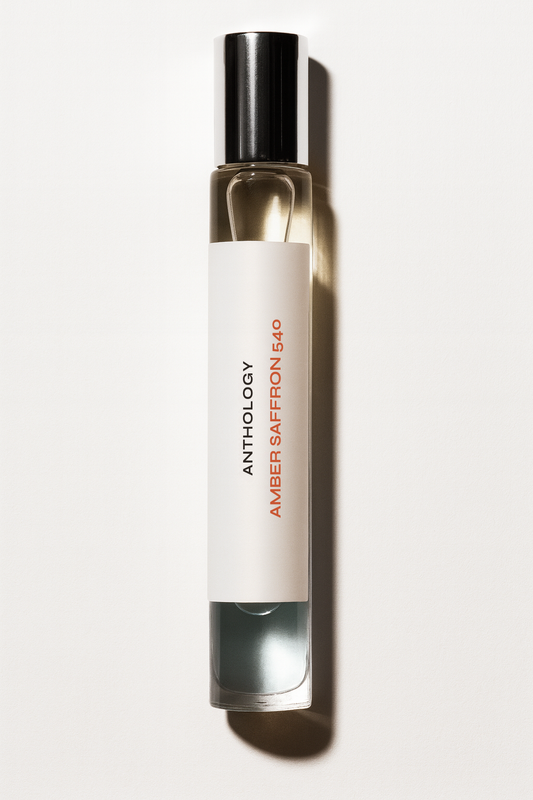
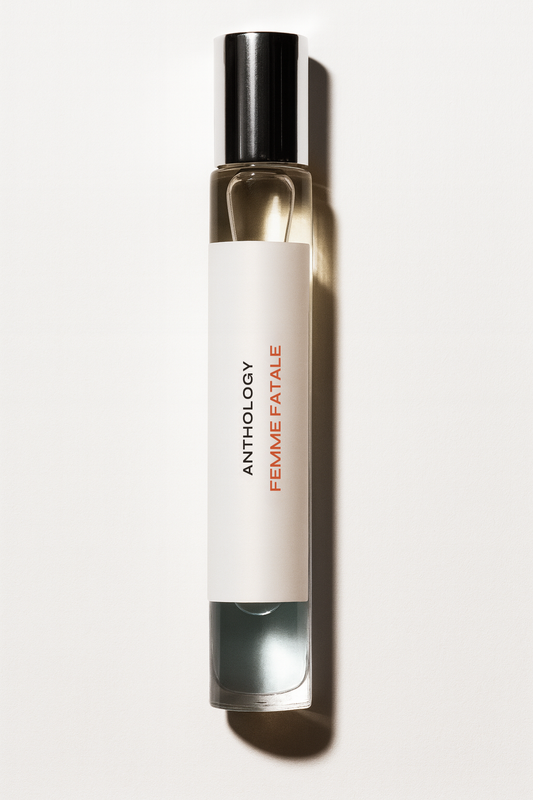
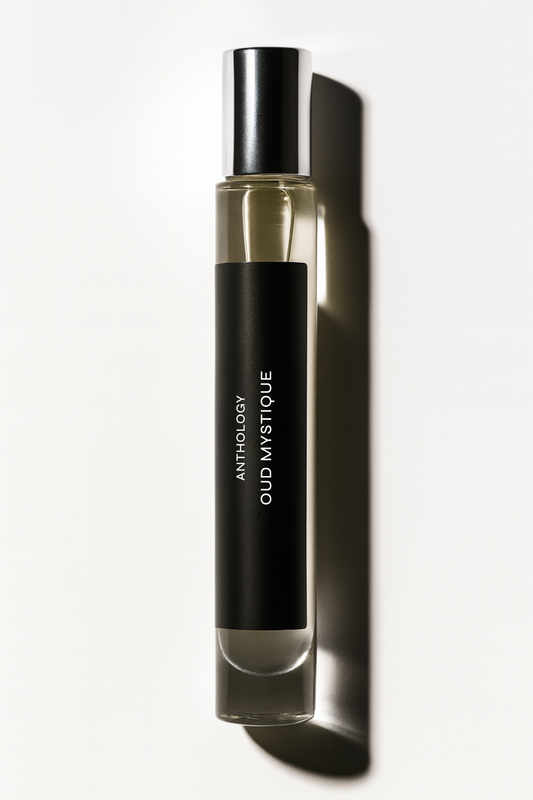
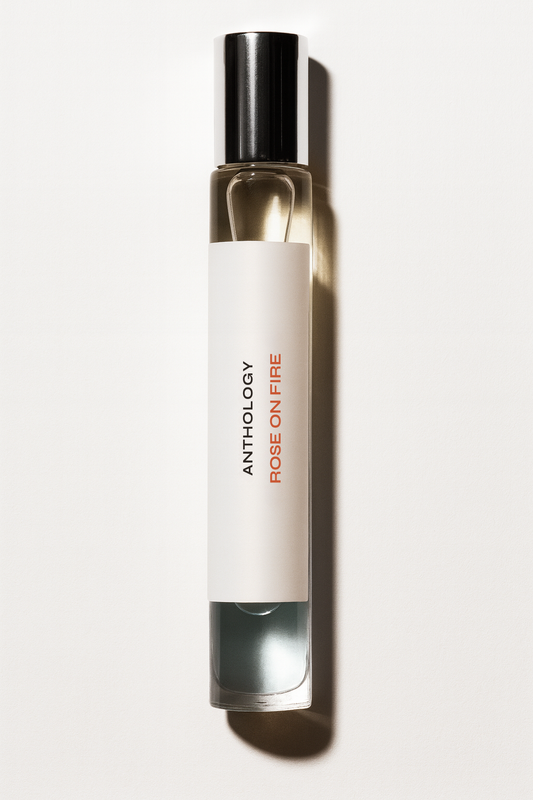
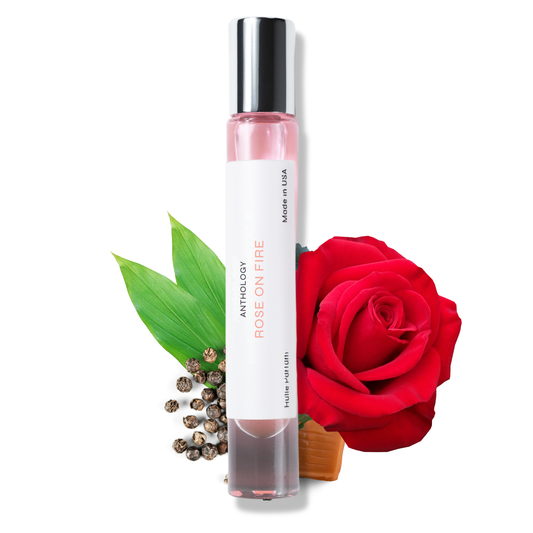
Both chypre and oriental structures translate beautifully into perfume oil format. Our Oud Mystique Perfume Oil and Amber Saffron 540 Perfume Oil sit firmly in the oriental family — warm, resinous, and deeply enveloping. Our Femme Fatale Perfume Oil explores the darker, more sophisticated territory that bridges the two families, while our Rose on Fire Perfume Oil brings a chypre-influenced structure to a passionate, spiced rose composition.
Explore our full Anthology Perfume Oils collection and discover which family speaks most powerfully to you.