What Is the Difference Between a Perfume Oil and an Attar?
Anthology BeautyShare
Both perfume oils and attars share the same fundamental principle — fragrance without alcohol, delivered in an oil base for intimate, long-lasting skin wear. But they represent very different traditions, very different production philosophies, and very different olfactory worlds. Understanding the distinction between them is one of the most enriching things a fragrance lover can do, opening up a parallel universe of scent that most Western fragrance wearers have barely begun to explore.
What Is an Attar?
Attar (also spelled itr or ittar, from the Arabic and Persian word for fragrance) is the oldest form of concentrated perfume in the world, with a history stretching back at least four thousand years to ancient Persia, India, and the Arab world. Traditional attars are produced by a process called deg-bhapka — a form of hydro-distillation in which aromatic botanicals are distilled directly into a base of sandalwood oil held in a copper receiver. The sandalwood oil absorbs the aromatic compounds from the distillation and is then aged — often for years — to allow the fragrance to mature and develop.
The result is a fragrance of extraordinary complexity and depth — one that carries not just the aroma of the distilled botanicals but also the rich, creamy warmth of sandalwood as an integral part of its character. Traditional attars are always sandalwood-based, always produced by hydro-distillation, and always aged. They are typically composed of a single primary botanical — rose attar (the most celebrated and most expensive), jasmine attar, kewra attar (screwpine), and hina attar (a blend of multiple botanicals) being the most important — combined with aged sandalwood oil.
The most celebrated attar-producing region in the world is Kannauj in Uttar Pradesh, India — a city that has been producing attars for over 600 years and is still home to hundreds of traditional attar distilleries. Kannauj rose attar — produced from fresh Rosa damascena petals distilled into aged Mysore sandalwood oil — is one of the most precious and most expensive aromatic materials on earth.
What Is a Perfume Oil?
A perfume oil is a broader and more contemporary category — a fragrance composition dissolved or blended in a carrier oil base (typically jojoba, fractionated coconut oil, or a synthetic equivalent) rather than in alcohol. Unlike traditional attars, perfume oils can use any combination of natural and synthetic ingredients, can be built around any fragrance concept, and are not limited to sandalwood as a base or to hydro-distillation as a production method.
Modern perfume oils bring the full creativity and technical sophistication of contemporary Western perfumery — complex accords, sophisticated synthetic molecules, multi-layered fragrance pyramids — to a format that delivers the intimate, long-lasting, skin-close performance that has made oil-based fragrance beloved for millennia. They are the meeting point of ancient wisdom and contemporary craft.
The Key Differences
Origin and tradition: Attars are rooted in a specific South Asian and Middle Eastern tradition with a history of thousands of years. Perfume oils are a broader category that encompasses both traditional approaches and contemporary Western perfumery in an oil format.
Base: Traditional attars are always based in sandalwood oil, which becomes an integral part of the fragrance character. Modern perfume oils use neutral carrier oils that allow the fragrance composition to express itself without the influence of the base.
Production method: Attars are produced by traditional hydro-distillation directly into the sandalwood base. Perfume oils can be produced by any method — the fragrance concentrate is blended into the carrier oil rather than distilled into it.
Ingredients: Traditional attars use only natural botanical ingredients. Modern perfume oils can use any combination of natural and synthetic materials, allowing for far greater compositional complexity and diversity.
Character: Attars have a warmth, depth, and naturalness that reflects their sandalwood base and botanical ingredients. Modern perfume oils can range from the lightest, freshest compositions to the richest and most complex orientals.
The Shared Values
Despite their differences, attars and perfume oils share the most important qualities: intimacy, longevity, and a skin-close character that alcohol-based fragrances cannot fully replicate. Both formats deliver fragrance that develops slowly and personally on skin, that merges with the wearer's own chemistry, and that remains present throughout the day without the harsh opening blast of an alcohol spray.
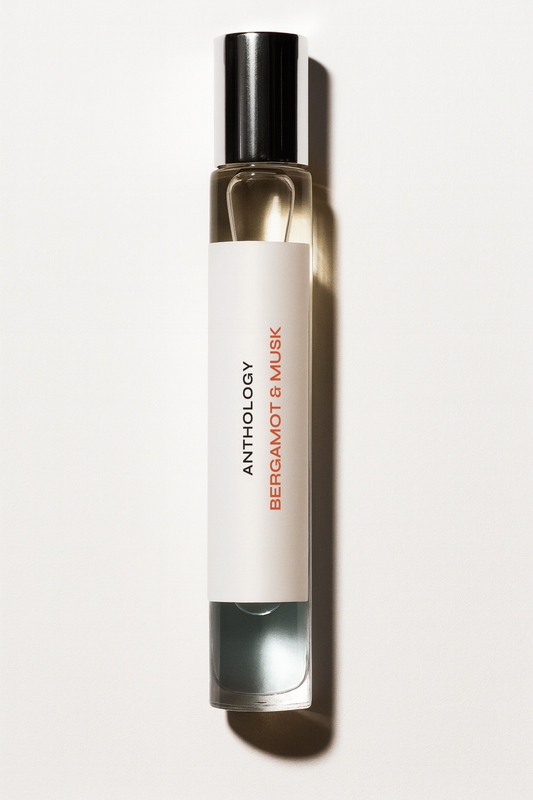
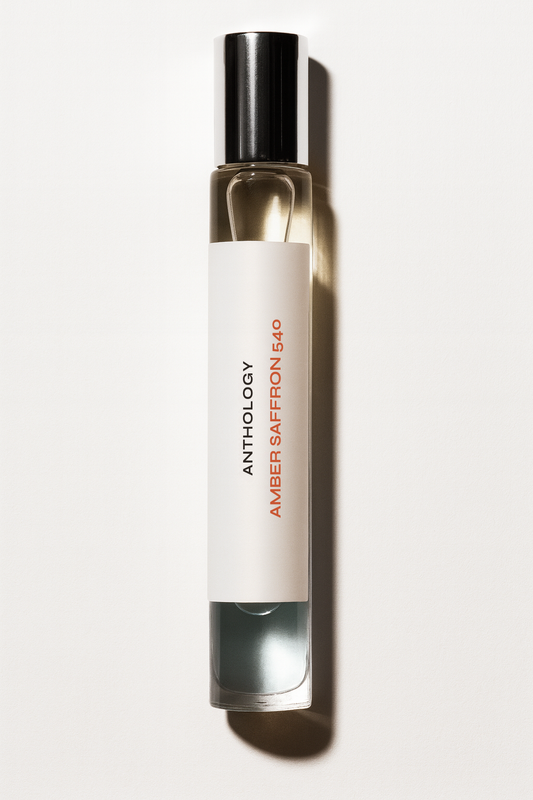
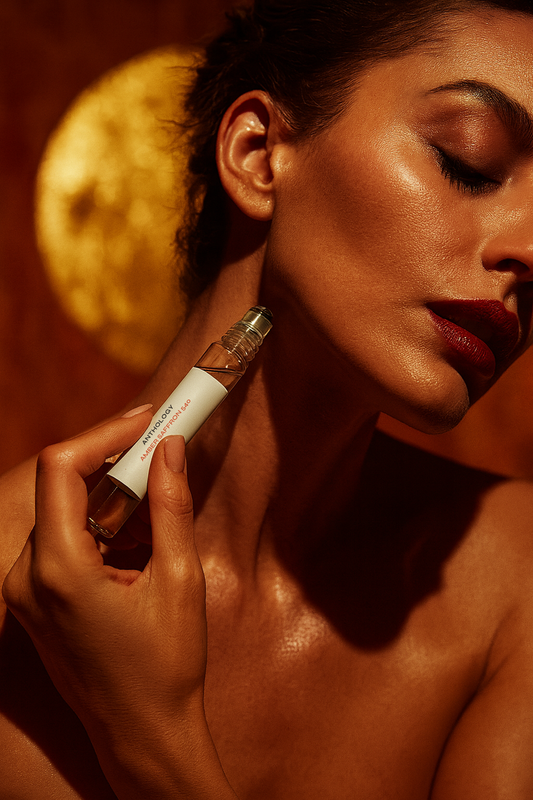
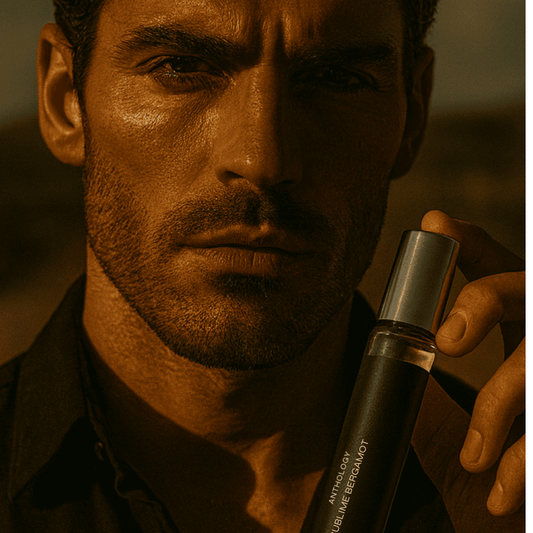
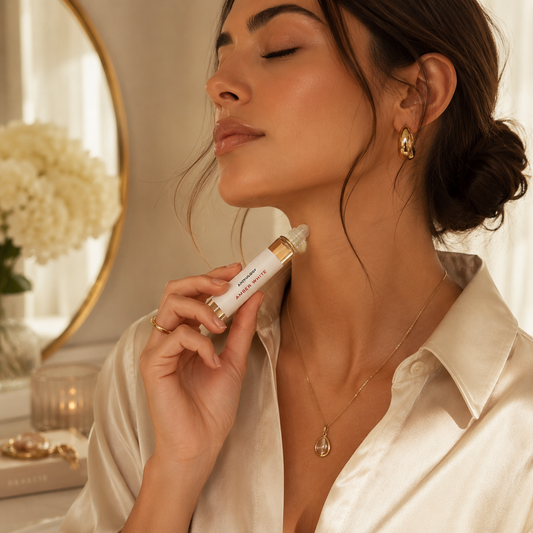
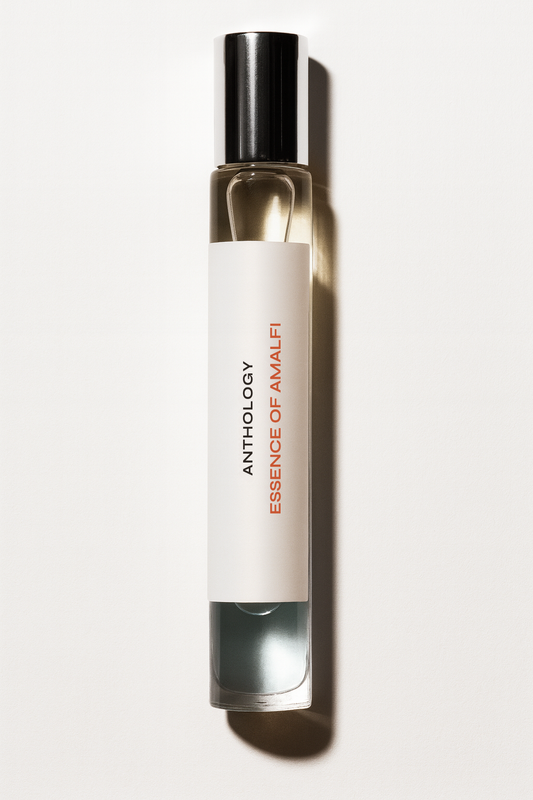
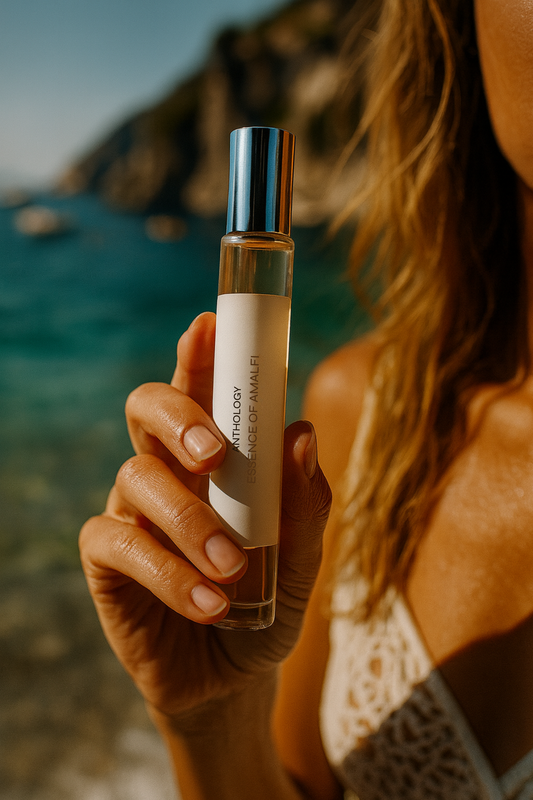
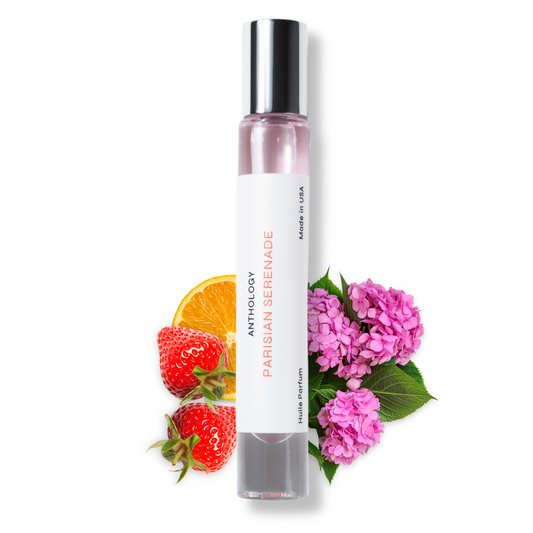
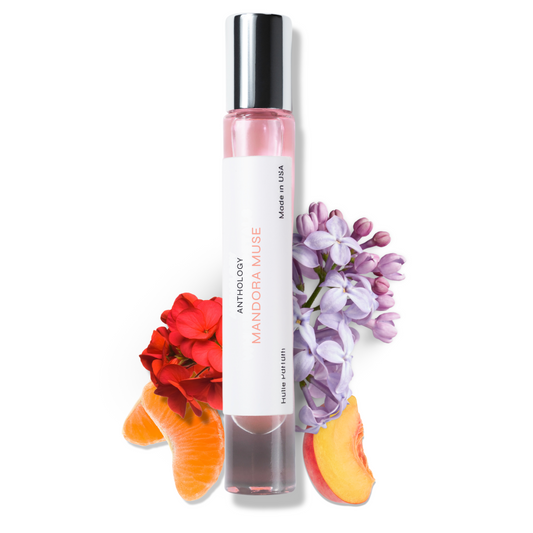
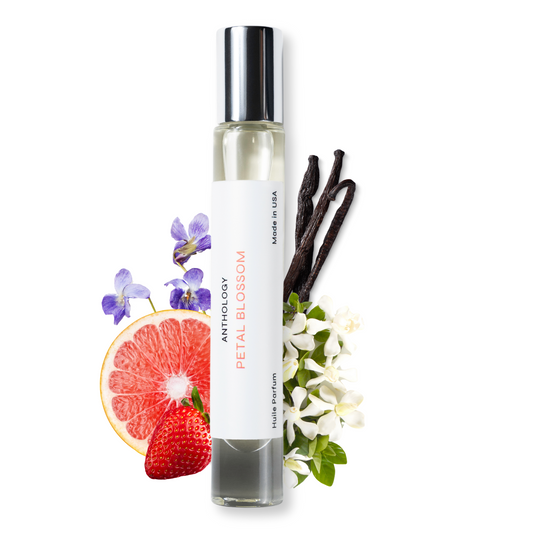
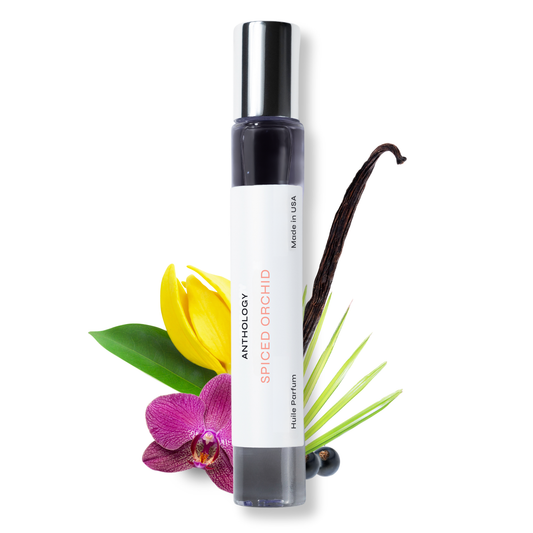
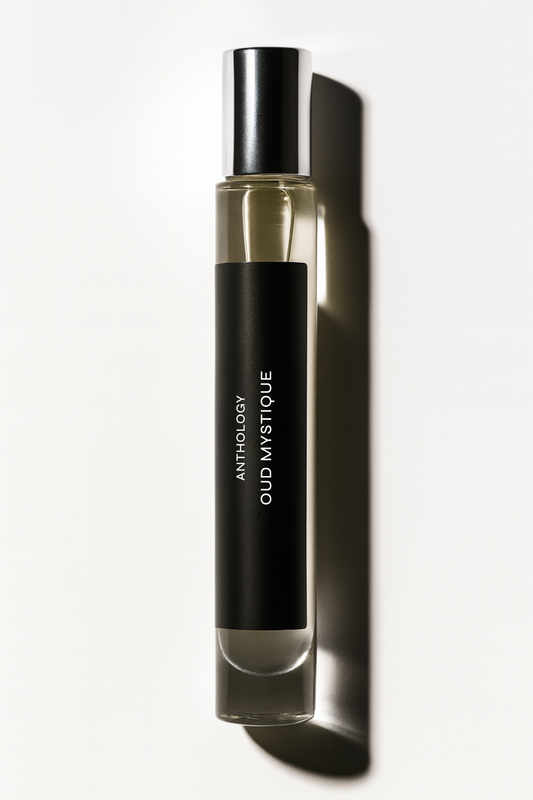
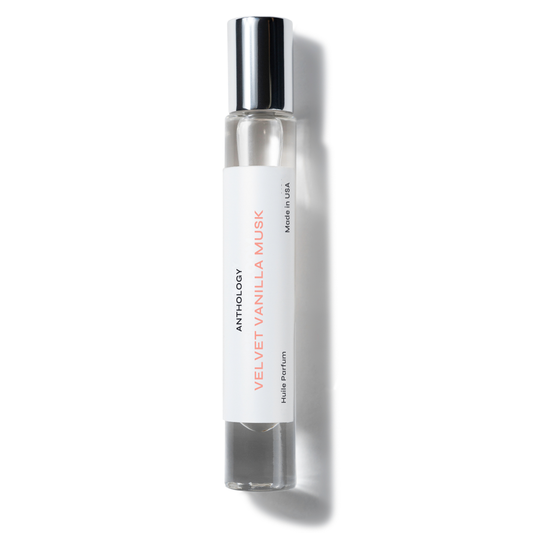
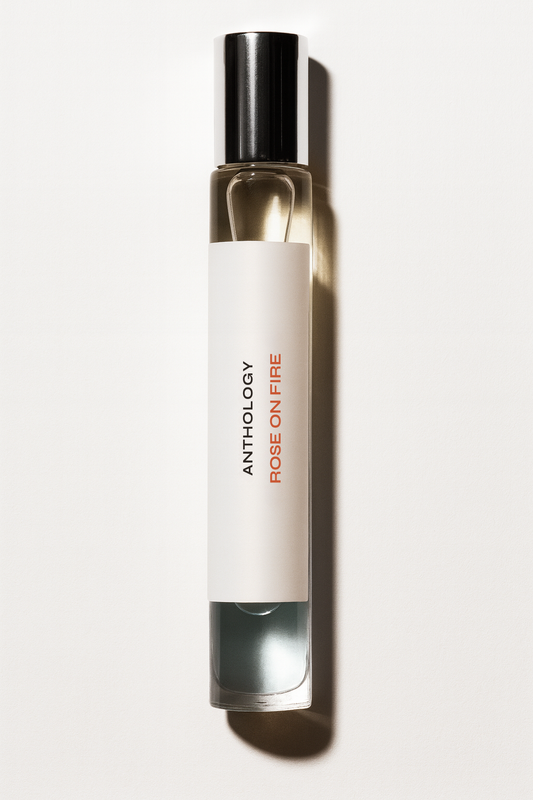
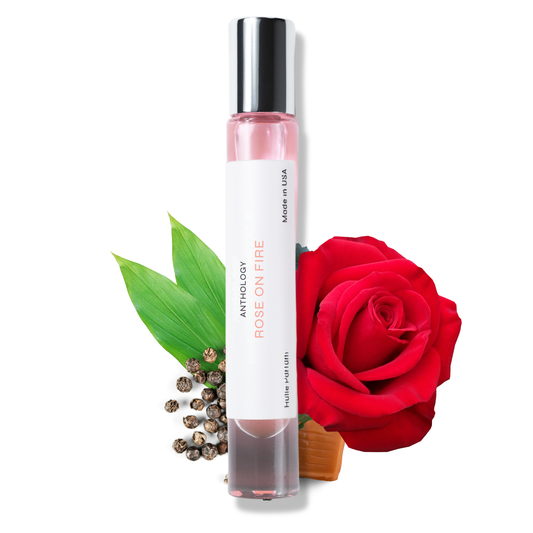
Our Anthology Perfume Oils collection is inspired by both traditions — the ancient wisdom of oil-based fragrance and the creative sophistication of contemporary perfumery, combined in compositions that are deeply personal, beautifully long-lasting, and entirely without alcohol. Explore our full collection and experience the best of both worlds.