What Is the Difference Between a Soliflore and a Bouquet Fragrance?
Anthology BeautyShare
Two of the most fundamental approaches to floral fragrance construction — the soliflore and the bouquet — represent entirely different philosophies about what a fragrance should do and say. Understanding the distinction will help you navigate floral fragrances with far greater precision and find the compositions that most closely match what you're looking for.
What Is a Soliflore?
A soliflore (from the French for 'single flower') is a fragrance built around a single floral note, designed to capture the essence of one specific flower as faithfully and beautifully as possible. The goal is not necessarily to smell exactly like the flower in nature — though that is sometimes the aim — but to create a fragrance that is dominated by and expressive of a single floral identity.
Soliflores have a clarity and focus that bouquets cannot achieve. When you wear a great rose soliflore, there is no ambiguity about what you are smelling — it is rose, in all its complexity and beauty, given the space to fully express itself. This focus can be deeply satisfying for those who have a strong connection to a particular flower.
Classic soliflores include Guerlain's Nahema (rose), Serge Lutens' Sa Majesté la Rose (rose), and Diptyque's Do Son (tuberose). Our own Viva La Rose Perfume Oil is a beautiful soliflore expression — rose given the space and depth to reveal its full character, from its fresh green opening to its rich, honeyed dry-down.
What Is a Bouquet Fragrance?
A bouquet fragrance combines multiple floral notes into a single composition, creating something that is greater than the sum of its parts. Rather than celebrating a single flower, a bouquet fragrance creates a new olfactory identity from the interplay of several flowers — the way a skilled florist creates an arrangement that is more beautiful than any individual bloom.
Bouquet fragrances are the most common approach in fine perfumery. The great floral classics — Chanel No. 5, Joy by Jean Patou, Dior's J'adore — are all bouquets, combining rose, jasmine, ylang ylang, and other florals into compositions of extraordinary complexity and beauty. The skill lies in balancing the individual flowers so that each contributes to the whole without dominating it.
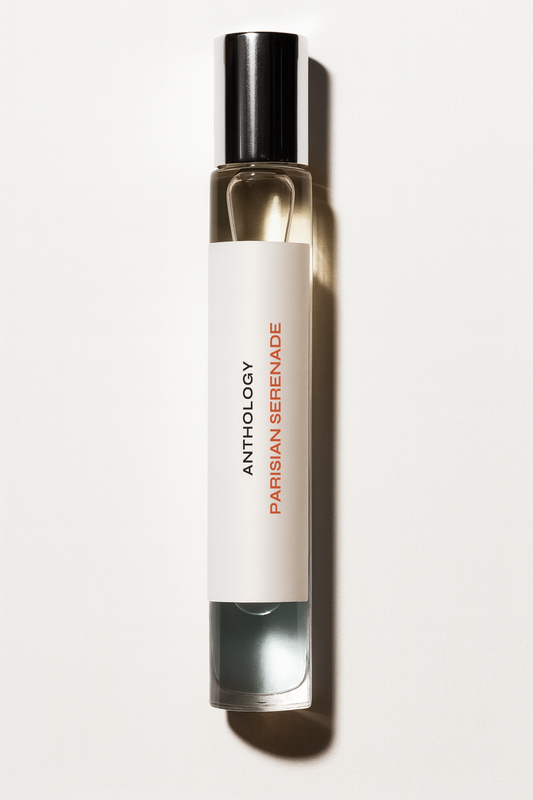
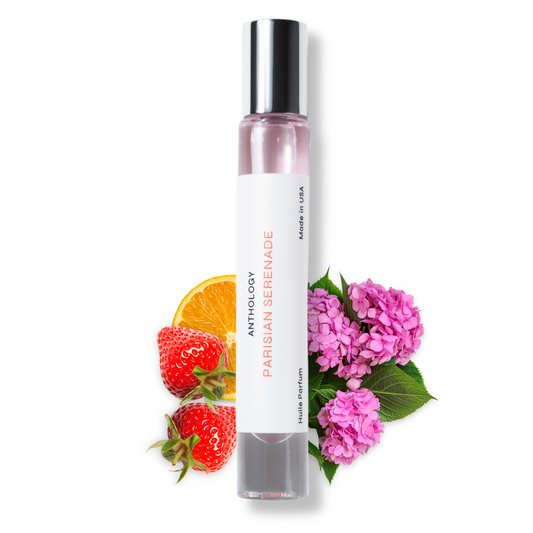
Our Parisian Serenade Perfume Oil is a beautifully crafted bouquet — jasmine, rose, and white florals woven together into a composition that is more romantic and complex than any single flower could achieve alone. Our Serene Bloom Perfume Oil is another exquisite bouquet — luminous, gentle, and deeply feminine.
The Philosophical Difference
Choosing between a soliflore and a bouquet is ultimately a question of what you want your fragrance to say. A soliflore makes a specific, focused statement — 'I love rose' or 'I love gardenia' — with a clarity and conviction that is deeply appealing. A bouquet creates a more complex, layered identity — something that is harder to pin down but often more surprising and rewarding to wear over time.
Neither approach is superior. The greatest soliflores are among the most beautiful fragrances ever created. The greatest bouquets are among the most complex. The choice depends entirely on your personality, your preferences, and what you want your fragrance to express.
Finding Your Preference
If you find yourself consistently drawn to a specific flower — if rose is your obsession, or jasmine your weakness — a soliflore may be your natural home. If you prefer complexity and surprise, if you want a fragrance that reveals new facets over time, a bouquet will reward you more deeply.
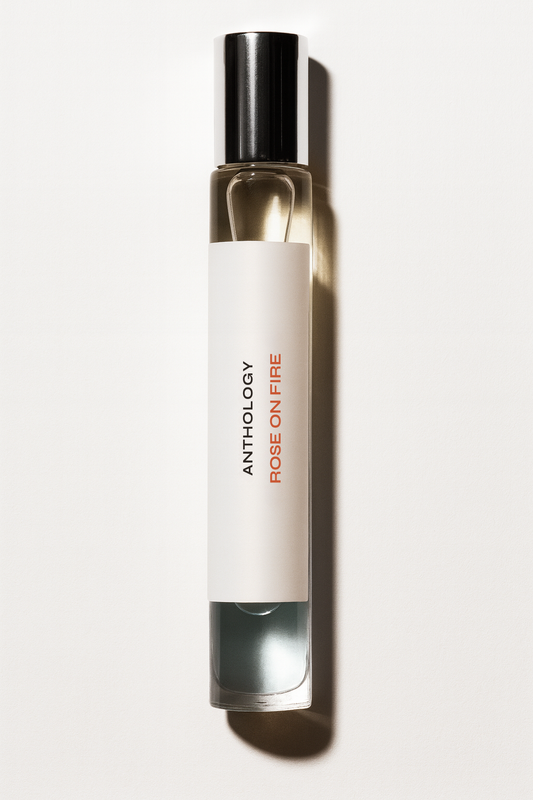
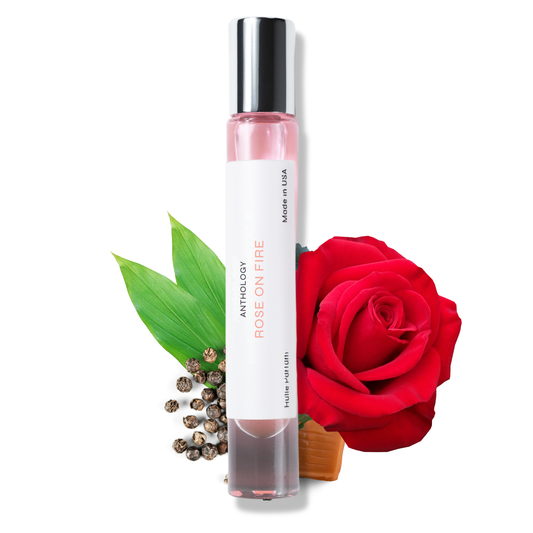
Our Whispering Petals Perfume Oil sits beautifully between the two approaches — a soft, luminous floral that has the focus of a soliflore and the complexity of a bouquet. And our Rose on Fire Perfume Oil takes the soliflore approach and adds spice and depth to create something that transcends the category entirely.
Explore our full Anthology Perfume Oils collection and discover which approach speaks most beautifully to you.