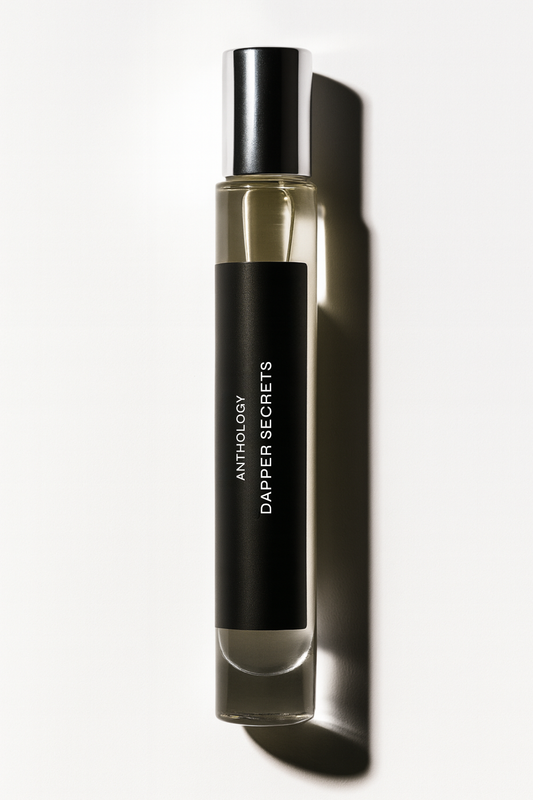
What Is the Difference Between Eau de Parfum and Perfume Oil?
Anthology BeautyShare
If you've ever wondered why your favourite fragrance smells slightly different depending on the format you buy it in — or why a perfume oil seems to last longer than a spray — you're asking exactly the right questions. Eau de parfum and perfume oil are two fundamentally different ways of delivering fragrance to skin, and understanding the distinction will transform the way you shop for and wear scent.
What Is Eau de Parfum?
Eau de parfum (EDP) is an alcohol-based fragrance with a concentration of fragrance compounds typically between 15% and 20%. The remaining 80 to 85% is ethanol — a carrier that allows the fragrance to be sprayed, helps it project into the air around you, and evaporates quickly on skin to release the top notes in a burst of immediate scent.
The alcohol in an EDP serves several important functions. It acts as a preservative, extending the shelf life of the fragrance. It creates projection — the cloud of scent that surrounds you immediately after application. And it helps the fragrance develop quickly through its top, heart, and base note phases.
What Is Perfume Oil?
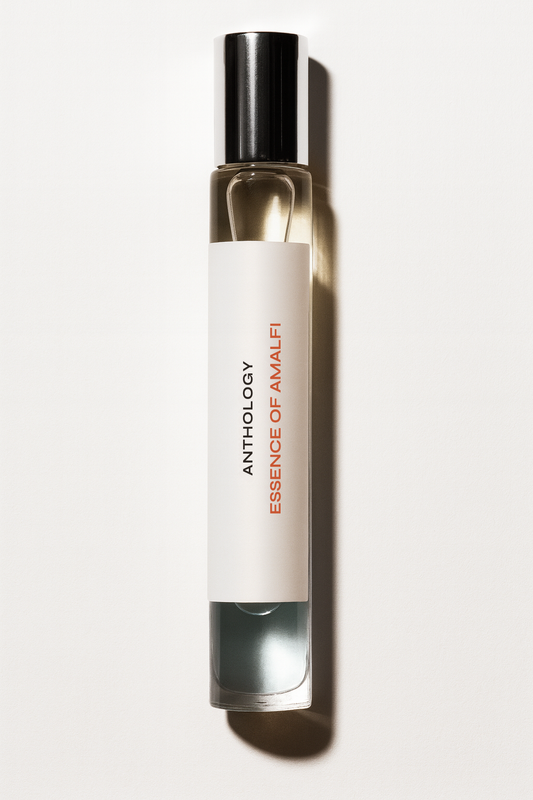
Perfume oil replaces alcohol with a carrier oil — typically jojoba, fractionated coconut oil, or a similar skin-compatible base. The concentration of fragrance compounds in a perfume oil is typically between 15% and 30% — often higher than an EDP — but without alcohol to project it into the air, the fragrance behaves very differently on skin.
Perfume oil sits on the surface of the skin rather than evaporating rapidly. It warms slowly with body heat, releasing fragrance gradually and intimately over many hours. The result is a scent that is skin-close and personal rather than projecting — present to those near you, invisible to those across the room.
The Key Differences
Projection: EDP projects more aggressively, particularly in the first hour after application. Perfume oil stays closer to the skin throughout its wear. Neither is superior — they suit different occasions and preferences.
Longevity: Perfume oil typically lasts longer on skin than EDP. Without alcohol to accelerate evaporation, the fragrance molecules release more slowly and remain detectable for longer — often 8 to 12 hours or more for a well-formulated oil.
Skin feel: EDP can be drying, particularly with repeated daily use, as alcohol strips moisture from the skin. Perfume oil is inherently moisturising — the carrier oil nourishes the skin while delivering fragrance.
Development: EDP moves through its fragrance pyramid more quickly — top notes are vivid and immediate, heart notes emerge within 20 to 30 minutes, and base notes settle within an hour. Perfume oil develops more slowly and subtly, with a gentler transition between phases.
Travel and practicality: Perfume oil in a small dropper bottle is inherently more travel-friendly than a glass spray bottle, and its alcohol-free formula means no risk of leakage due to pressure changes.
Which Is Right for You?
If you love making an immediate impression and want your fragrance to fill a room, EDP may suit you better for certain occasions. If you prefer something intimate, long-lasting, and skin-close — a fragrance that is a private pleasure rather than a public statement — perfume oil is your format.
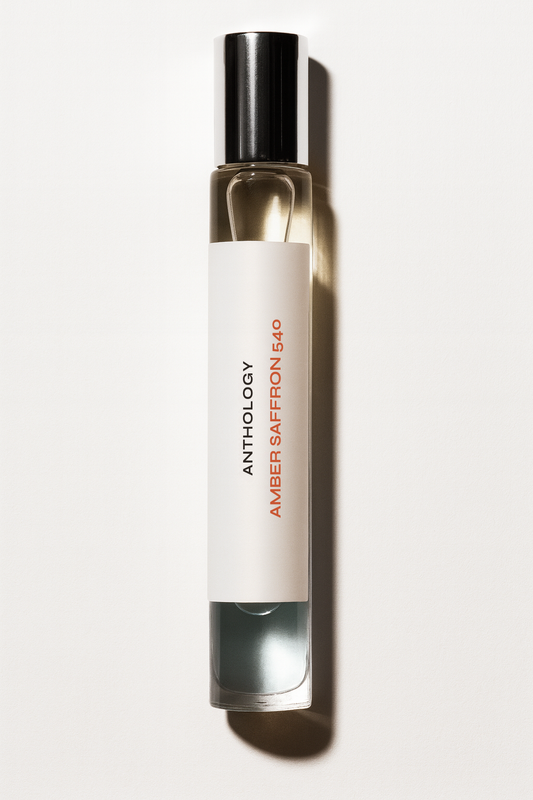
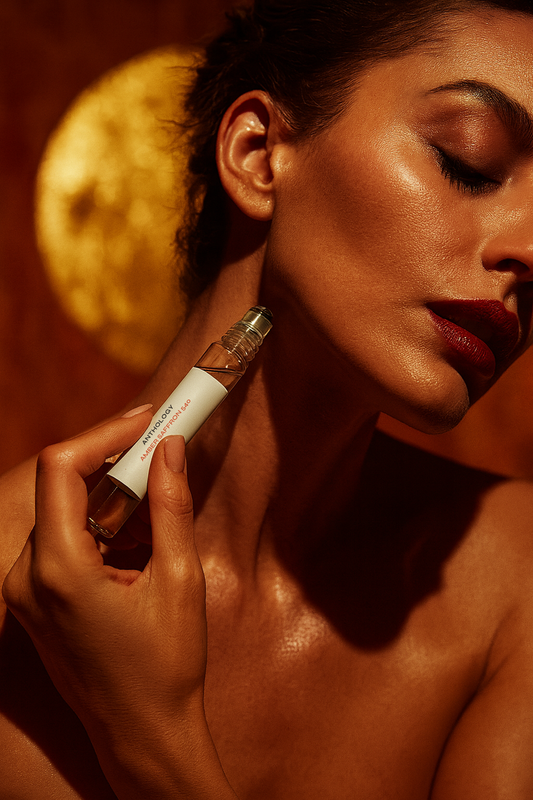
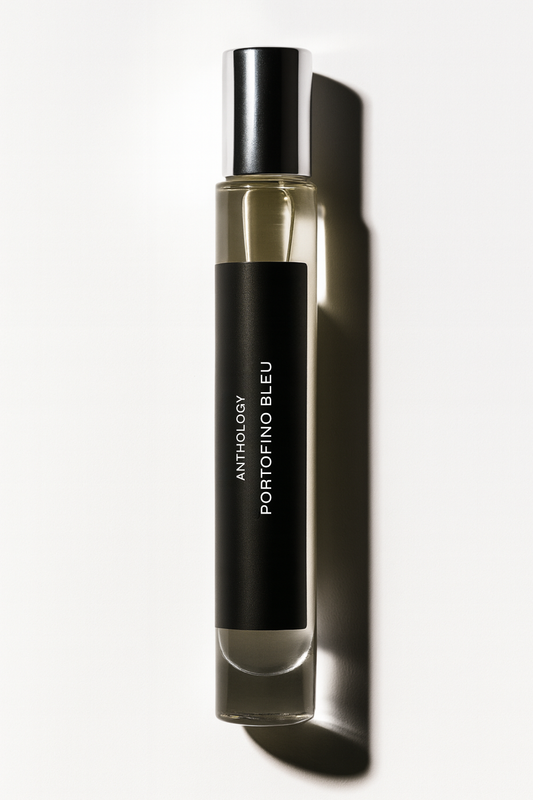
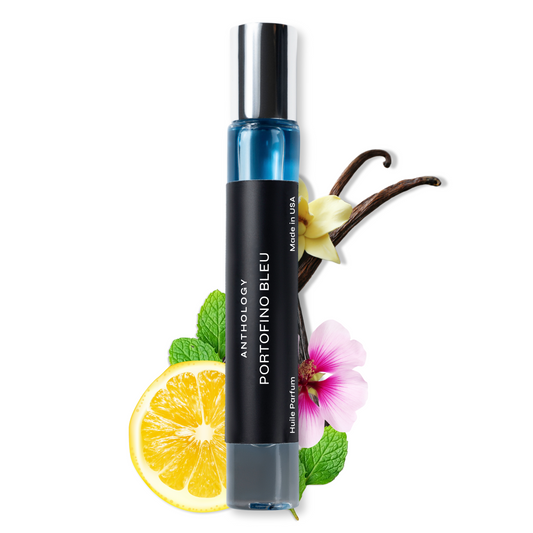
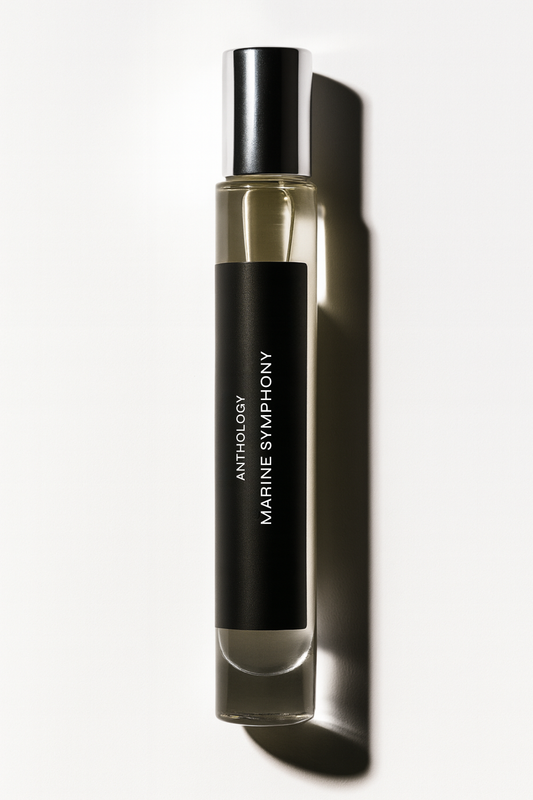
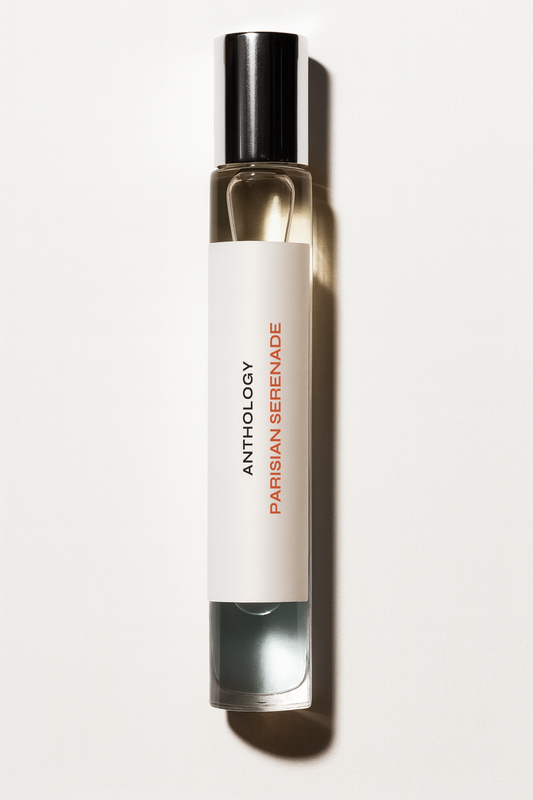
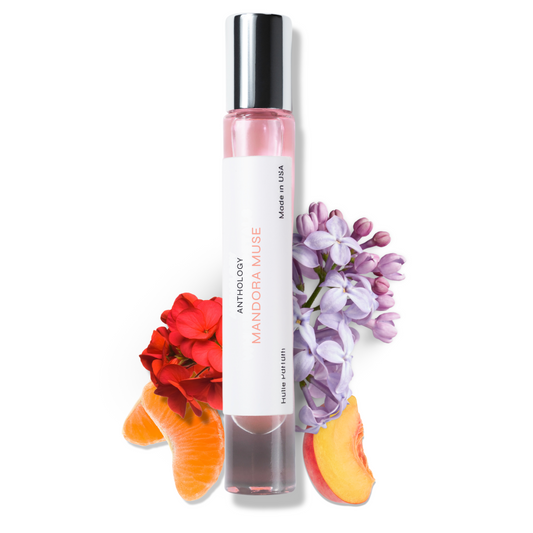
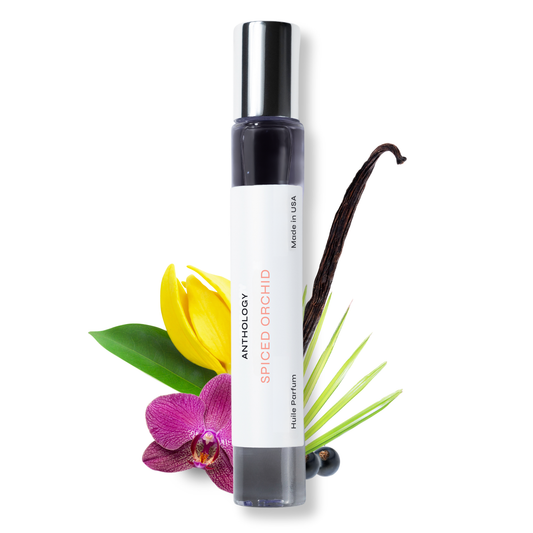
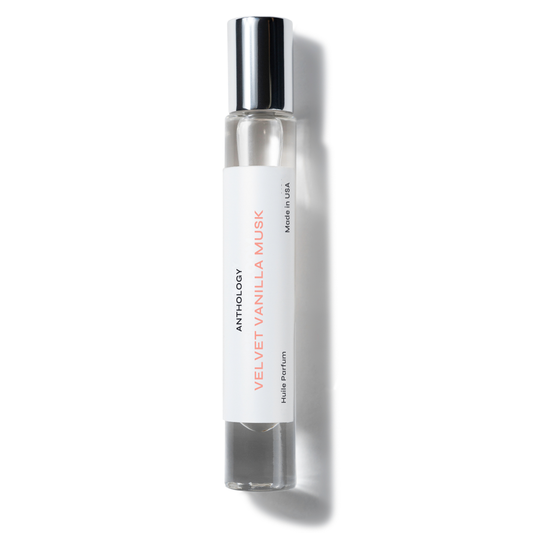
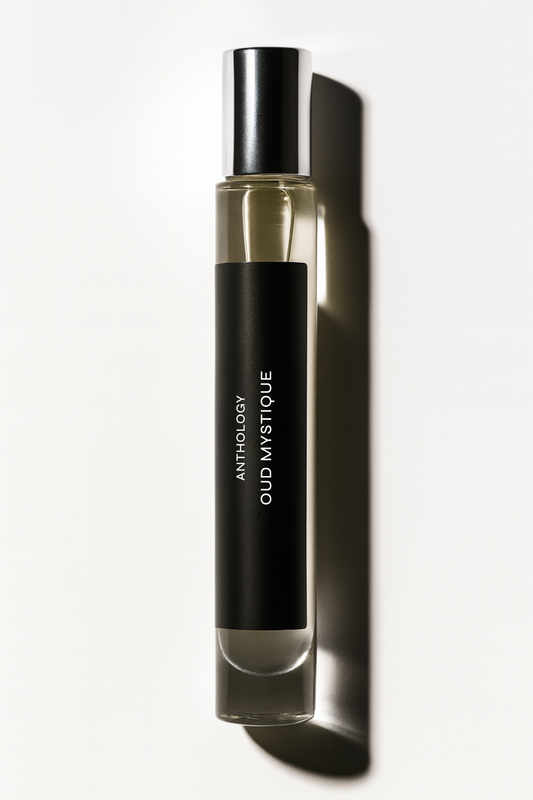
Many fragrance lovers use both: an EDP for evenings and occasions when projection is desired, and a perfume oil for daily wear, travel, and the office. Our Velvet Vanilla Musk Perfume Oil, Amber Saffron 540 Perfume Oil, and Oud Mystique Perfume Oil all demonstrate what perfume oil at its finest can achieve — depth, longevity, and an intimacy that no spray can replicate.
Explore our full Anthology Perfume Oils collection and experience the difference for yourself.