What Is the Difference Between Natural and Synthetic Fragrance Ingredients?
Anthology BeautyShare
The debate between natural and synthetic fragrance ingredients is one of the most persistent and most misunderstood in the world of scent. For many fragrance consumers, 'natural' carries an unqualified positive connotation while 'synthetic' implies something inferior, artificial, or even harmful. The reality — as any serious perfumer will tell you — is considerably more nuanced. Both natural and synthetic ingredients have extraordinary qualities, significant limitations, and important roles to play in fine fragrance. Understanding the distinction between them is one of the most valuable things a fragrance enthusiast can learn.
What Are Natural Fragrance Ingredients?
Natural fragrance ingredients are aromatic materials derived directly from plant, animal, or mineral sources through physical or chemical extraction processes. The primary methods of extracting natural aromatic materials include steam distillation (used for essential oils such as rose otto, lavender, and bergamot), solvent extraction (used for absolutes such as rose absolute, jasmine absolute, and oakmoss), CO2 extraction (a newer method that produces extracts of particular freshness and complexity), expression (cold-pressing of citrus peels to extract citrus essential oils), and enfleurage (a traditional technique using fat to absorb aromatic compounds from delicate flowers, rarely used commercially today due to its extreme labour intensity).
Natural ingredients are valued for their extraordinary complexity — a single natural extract may contain hundreds of distinct aroma compounds, interacting in ways that create a richness and depth that no single synthetic molecule can replicate. Rose absolute contains over 300 identified compounds. Vetiver oil contains over 150. This complexity is what gives naturals their quality of aliveness — the sense that they are breathing and evolving rather than simply projecting a fixed aroma.
Natural ingredients also have significant limitations. They are subject to variation between harvests, regions, and production methods — the same rose absolute from two different suppliers may smell meaningfully different. They are often expensive, sometimes extraordinarily so. Some of the most beautiful naturals — genuine Mysore sandalwood, real ambergris, true musk — are either prohibitively expensive, ethically problematic, or no longer commercially available. And some naturals carry allergen concerns that restrict their use in leave-on products.
What Are Synthetic Fragrance Ingredients?
Synthetic fragrance ingredients are aroma molecules created in a laboratory through chemical synthesis rather than extracted from natural sources. They include molecules that replicate aspects of natural materials (synthetic musks, synthetic sandalwood), molecules that capture smells that cannot be extracted from nature (the smell of fresh air, of clean laundry, of rain on dry earth), and entirely novel molecules with no natural equivalent that have expanded the olfactory vocabulary of perfumery in extraordinary ways.
The most important synthetics in modern perfumery include Ambroxan (the synthetic equivalent of ambergris, responsible for the warm, luminous skin-close quality in fragrances like Sauvage and Molecule 02), Iso E Super (a woody, slightly smoky molecule with remarkable skin-melding properties), Hedione (a transparent jasmine-like molecule that gives compositions an extraordinary luminosity and diffusion), Galaxolide and Habanolide (white musks that create the clean, skin-like warmth that is the backbone of countless modern fragrances), and Cashmeran (a soft, warm, slightly woody molecule that evokes the texture of cashmere).
Synthetics have transformed perfumery by making previously impossible smells achievable, by providing consistent, reliable ingredients unaffected by harvest variation or supply chain disruption, and by dramatically reducing the cost of certain aromatic qualities that would be prohibitively expensive if produced from natural sources alone. A fragrance that uses genuine rose absolute, genuine jasmine absolute, and genuine oud would be unaffordable for most consumers — synthetic equivalents allow these qualities to be made accessible.
The False Binary
The most important thing to understand about natural versus synthetic fragrance ingredients is that the distinction is largely a false binary in fine perfumery. The greatest fragrances — past and present — are almost universally built from a combination of both, using natural extracts for their irreplaceable complexity and character, and synthetics to extend, enhance, stabilise, and add qualities that naturals alone cannot achieve.
Chanel No. 5, the most famous fragrance in history, was revolutionary precisely because it incorporated synthetic aldehydes alongside natural rose and jasmine — the synthetics giving the naturals a brightness, projection, and modernity that naturals alone could not achieve. Every great fragrance since has followed some version of this principle: natural complexity enhanced and extended by synthetic precision.
What This Means for Perfume Oils
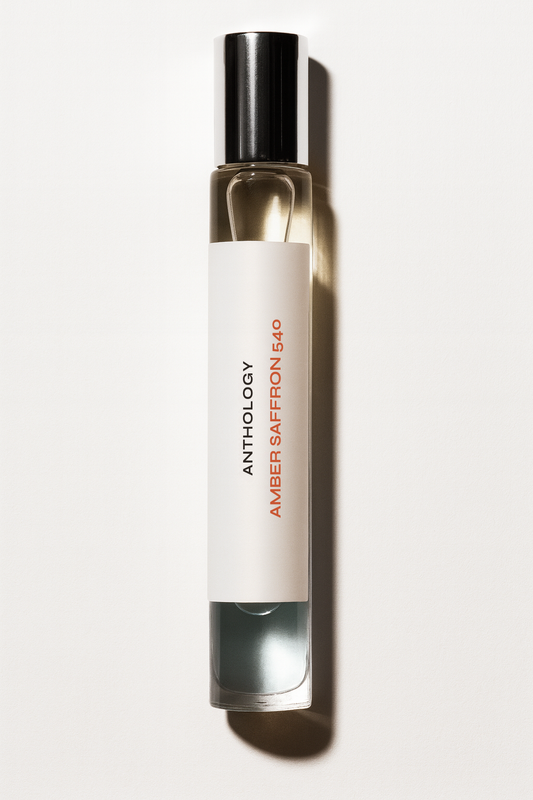
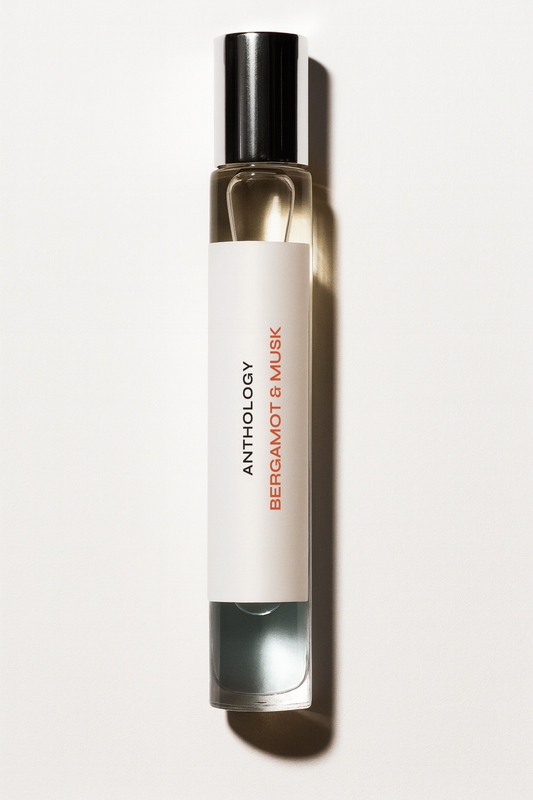
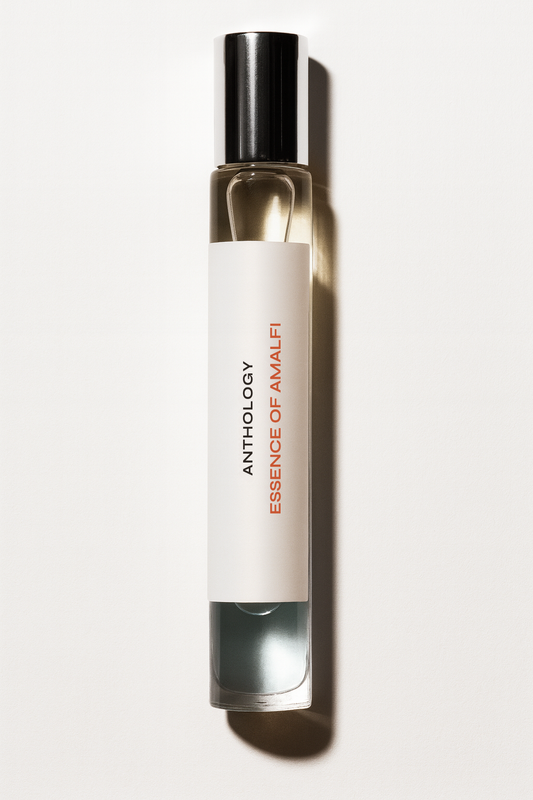
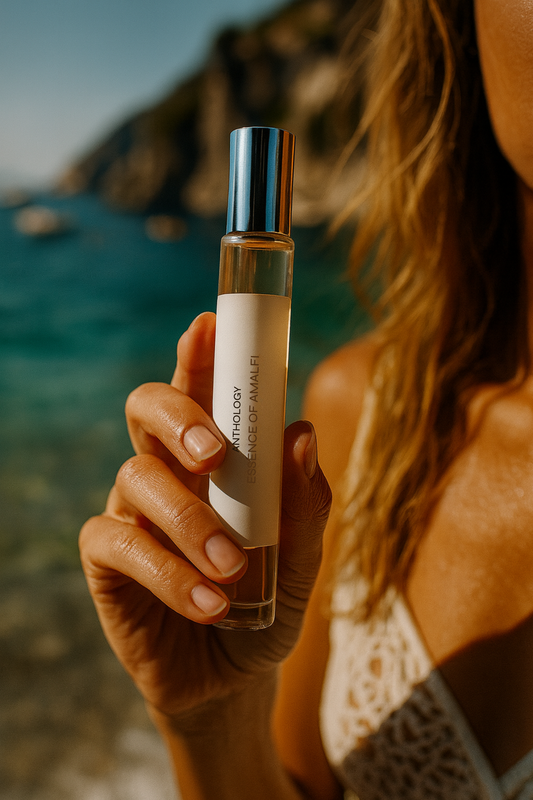
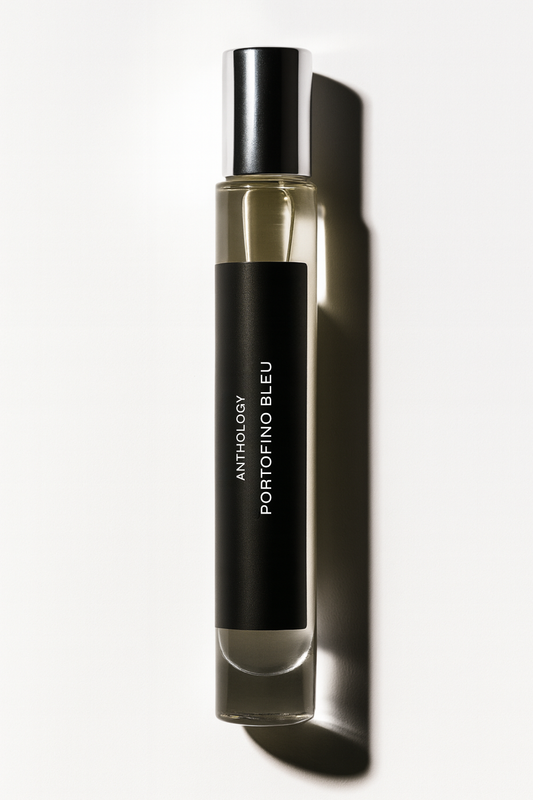
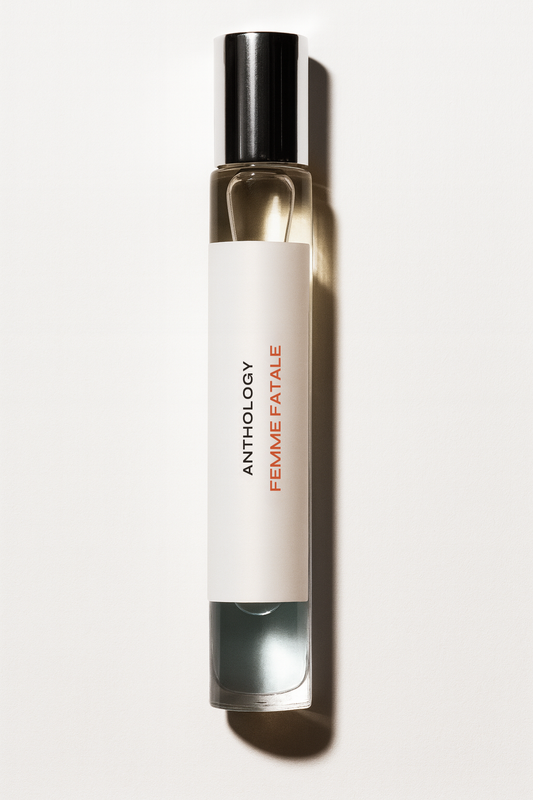
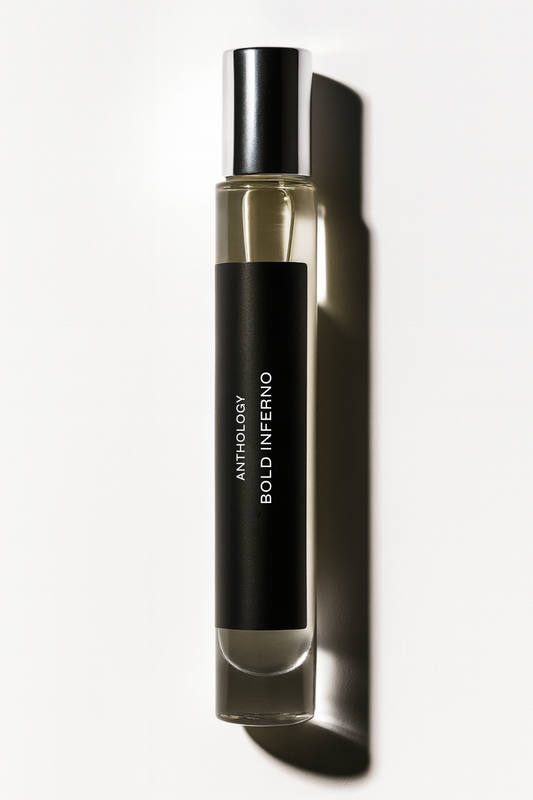
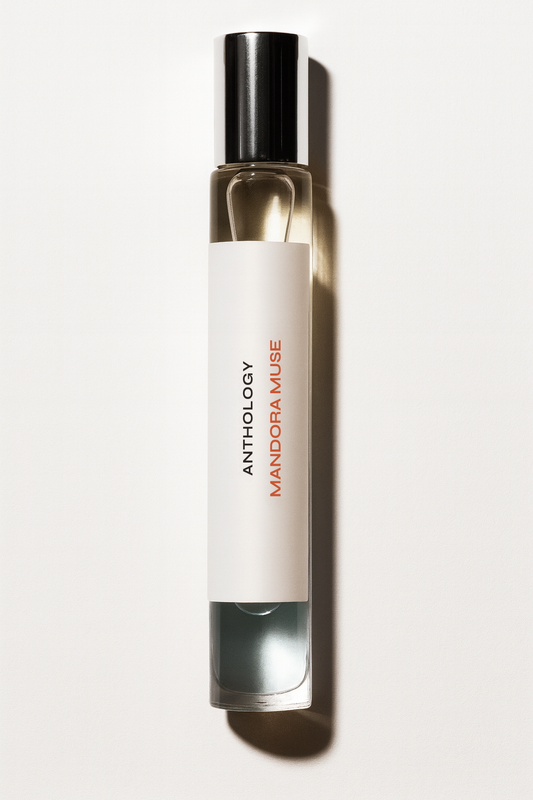
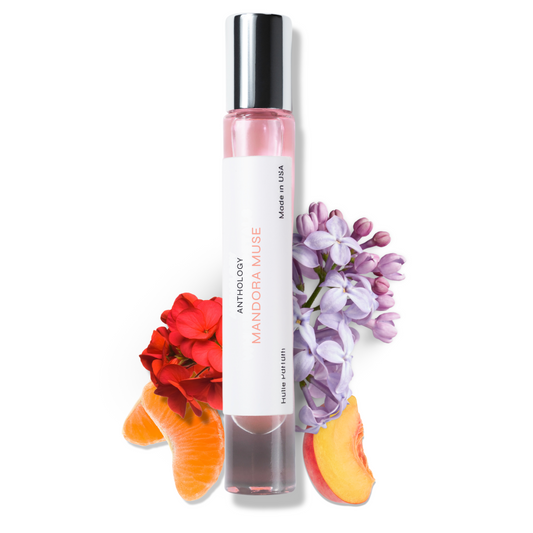
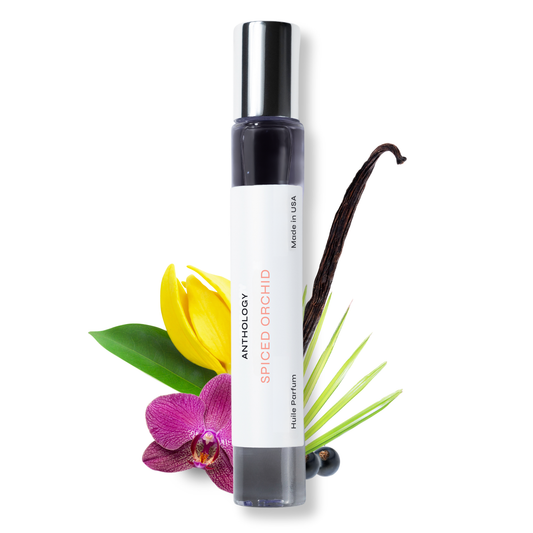
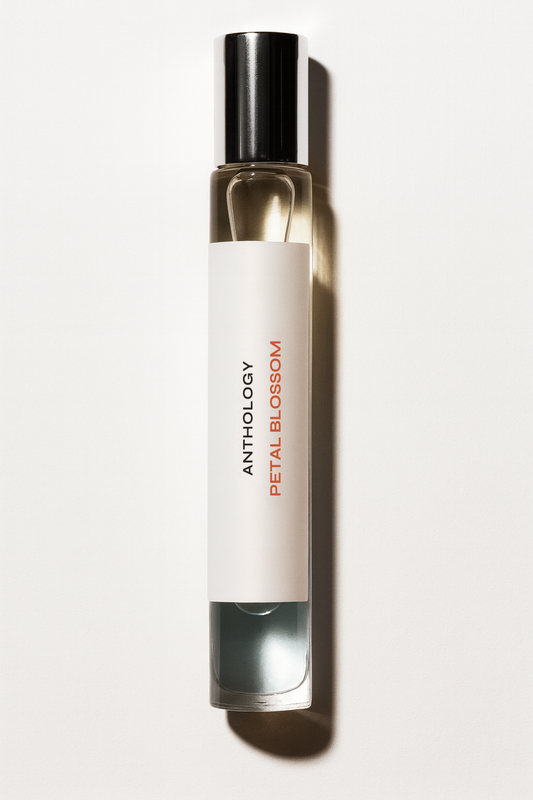
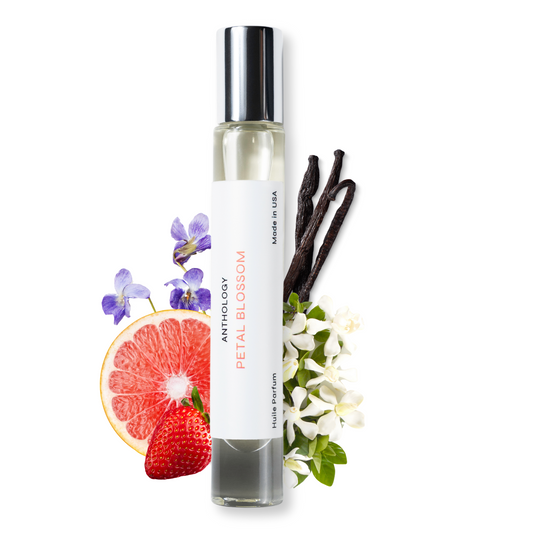
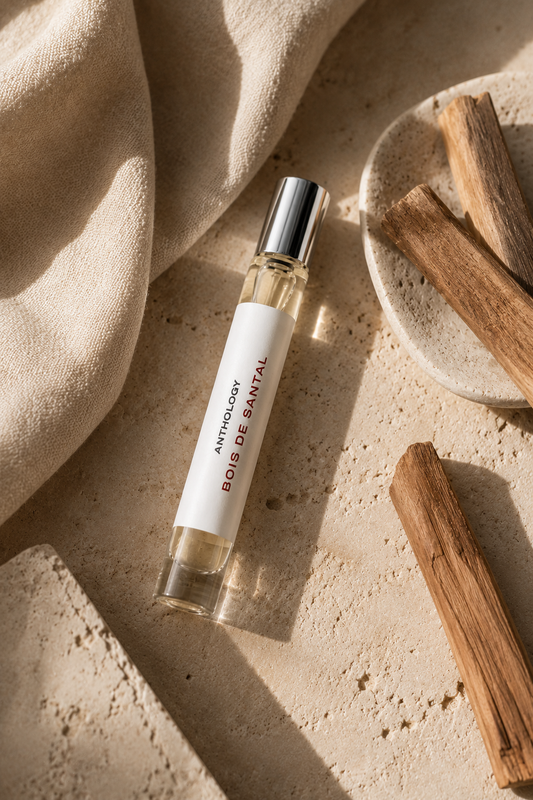
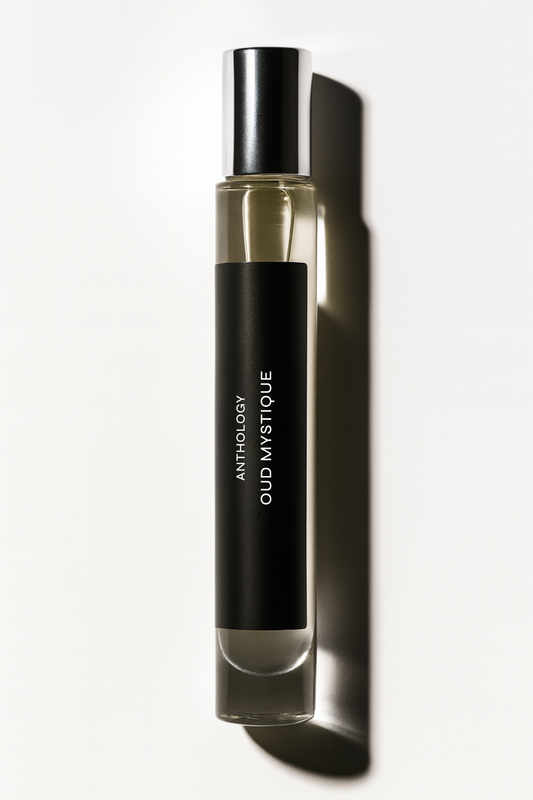
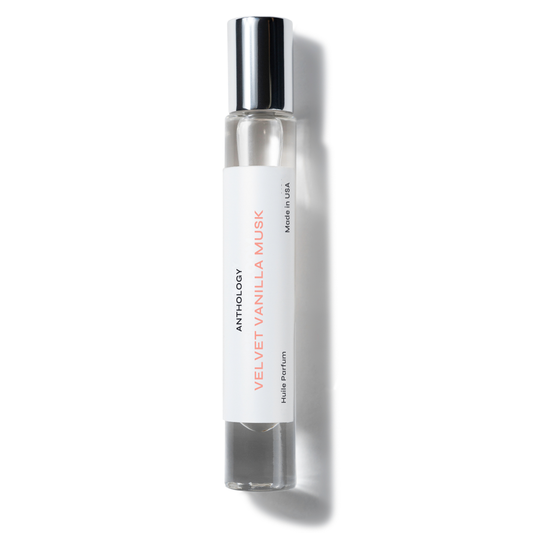
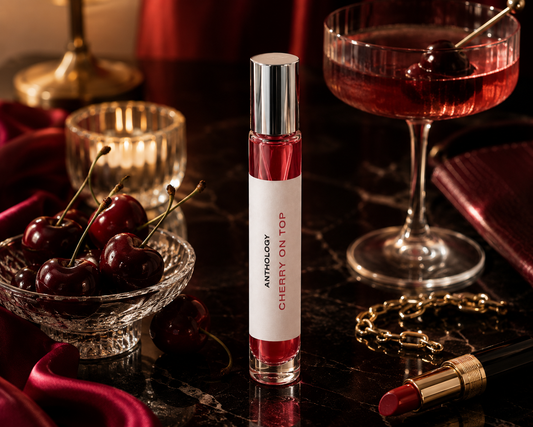
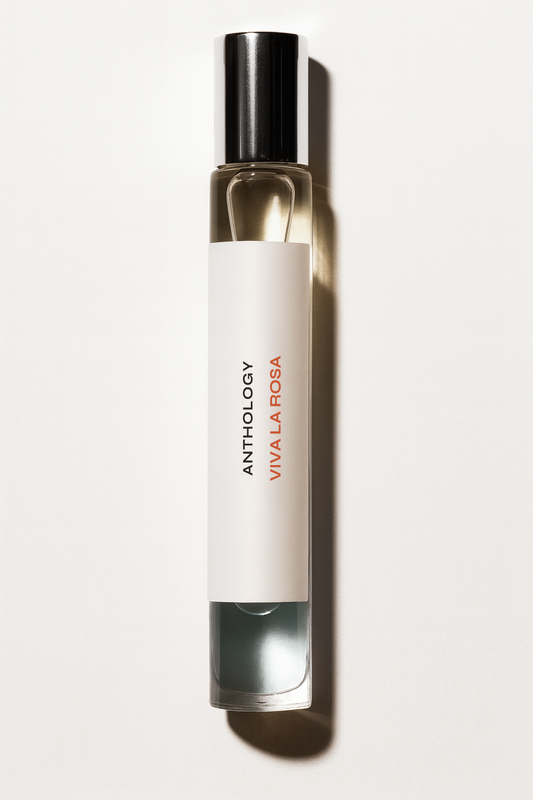
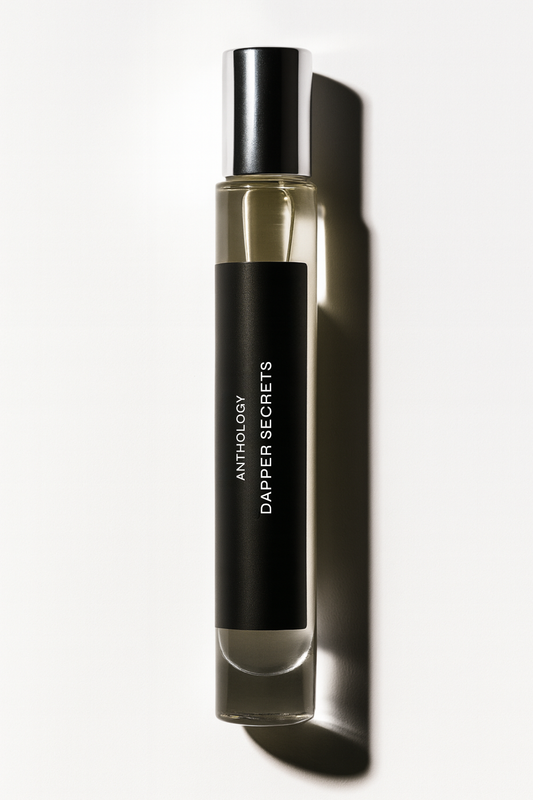
Our Anthology Perfume Oils collection follows the same philosophy — using the finest available natural ingredients for their irreplaceable complexity and character, combined with the best contemporary synthetic molecules for consistency, stability, and the olfactory qualities that naturals alone cannot deliver. The result is a range of compositions that are simultaneously rich and complex, consistent and reliable, and genuinely beautiful in the way that only the best of both worlds can achieve.
Whether you are drawn to the earthy, living complexity of our natural-forward compositions or the crystalline precision of our more synthetic-influenced oils, our full Anthology Perfume Oils collection offers something extraordinary at every point on the spectrum.