Why Niche Perfumery Changed Everything (And What It Means for You)
Anthology BeautyShare
Twenty-five years ago, if you wanted to buy a serious fragrance, your options were essentially limited to the offerings of the major European luxury houses — Chanel, Dior, Guerlain, Givenchy, Hermès — available at department stores in formats and concentrations chosen by marketing committees rather than perfumers. The idea that fragrance could be a genuinely artistic medium, that a perfumer's creative vision could be expressed without compromise, that a fragrance could be made for a small audience of genuinely interested people rather than for the broadest possible market — these ideas existed at the fringes of the industry but had almost no commercial expression. Then niche perfumery arrived, and everything changed.
What Is Niche Perfumery?
The term 'niche' in fragrance refers to independent or artisan fragrance houses that operate outside the mainstream luxury fragrance industry — producing fragrances in smaller quantities, using higher concentrations of often more expensive ingredients, and prioritising creative and olfactory quality over mass-market appeal and commercial safety. Niche fragrances are typically sold through specialist fragrance retailers and the brands' own channels rather than through department stores, and they are priced at a premium that reflects their higher ingredient costs and smaller production runs.
The distinction between niche and mainstream is not absolute — some niche houses have grown to significant size, some mainstream houses produce genuinely adventurous fragrances, and the line between 'luxury' and 'niche' has become increasingly blurred as major conglomerates have acquired formerly independent niche houses (LVMH's acquisition of Acqua di Parma, Estée Lauder's acquisition of Le Labo and Frederic Malle, among many others). But the niche aesthetic — creative uncompromise, ingredient quality, small-batch production, and genuine artistic ambition — remains a meaningful and important distinction.
The Pioneers
The niche fragrance movement in its modern form is generally traced to a handful of pioneering houses that emerged in the 1970s, 1980s, and 1990s. Santa Maria Novella, the Florentine pharmacy founded in 1612, was selling fragrances of extraordinary quality and historical significance long before 'niche' was a category. Annick Goutal, founded in Paris in 1981, created intimate, personal fragrances that were a deliberate reaction against the bombastic celebrity-driven fragrances of the era. L'Artisan Parfumeur, also founded in Paris in the early 1970s, pioneered the idea of fragrance as an artisanal product rather than an industrial one.
But it was perhaps Serge Lutens — the visionary French image-maker who launched his fragrance line through Shiseido in the 1990s — who most completely articulated what niche perfumery could be at its most ambitious: fragrances of genuine poetic and emotional depth, made without compromise, for an audience willing to do the work of understanding them. Lutens's compositions — Feminité du Bois, Jeux de Peau, Ambre Sultan, and dozens of others — remain benchmarks of what artistic ambition in fragrance looks like.
The Internet Revolution
The niche fragrance movement grew slowly through the 1990s, limited by the difficulty of finding and sampling unusual fragrances outside major cities. The internet changed everything. Online fragrance communities — Basenotes (founded 2001), Fragrantica (founded 2007), and dozens of others — created spaces where fragrance enthusiasts could discuss, review, and discover fragrances from around the world without needing access to a specialist boutique. Decant services allowed enthusiasts to sample fragrances before committing to full bottles. Online retailers made niche fragrances available globally.
The result was an explosion of both demand and supply. New niche houses launched every year through the 2000s and 2010s — Byredo, Diptyque (reinvented as a niche player), Le Labo, Maison Margiela Replica, Nasomatto, Histoires de Parfums, and hundreds of others — catering to an increasingly educated and demanding audience of fragrance enthusiasts who had grown up reading online reviews and debating the merits of aroma molecules on internet forums.
What Niche Perfumery Taught the Industry
The niche movement's most significant impact on the broader fragrance industry has been its demonstration that consumers are willing to pay significantly more for fragrance when they believe in the quality and authenticity of what they are buying. This insight has driven the premiumisation of mainstream luxury fragrance — the launch of prestige sub-lines by major houses (Chanel Les Exclusifs, Dior La Collection Privée, Hermès Hermessence) that adopt niche aesthetics and price points within the framework of established luxury brands.
Niche perfumery also expanded the olfactory vocabulary of mainstream fragrance dramatically. Ingredients and accords that would have been considered uncommercial or challenging by mainstream standards — oud, intense patchouli, challenging indolic florals, aggressive musks, smoke and incense — were normalised by niche houses, creating an audience for them that mainstream brands then served. Tom Ford's oud compositions, Dior's incense-heavy flankers, and countless other mainstream exercises in 'challenging' territory would not exist without the niche houses that proved there was an audience for them.
What It Means for You as a Fragrance Lover
The niche revolution has fundamentally changed what is available to fragrance lovers and what they can expect from fine fragrance. It has created a world in which genuine artistic ambition in fragrance is commercially viable — in which a perfumer can pursue a creative vision without the compromises that mass-market production demands. It has educated an audience that can appreciate complexity, that reads fragrance literature, that understands the difference between a great composition and a merely pleasant one.
It has also created, paradoxically, a new set of orthodoxies and status hierarchies that can be as limiting as those they replaced — the niche snobbery that dismisses anything widely available as beneath consideration, the bottle-collecting culture that treats fragrance as an investment rather than an experience, the review-reading paralysis that prevents some enthusiasts from simply wearing and enjoying their fragrances.
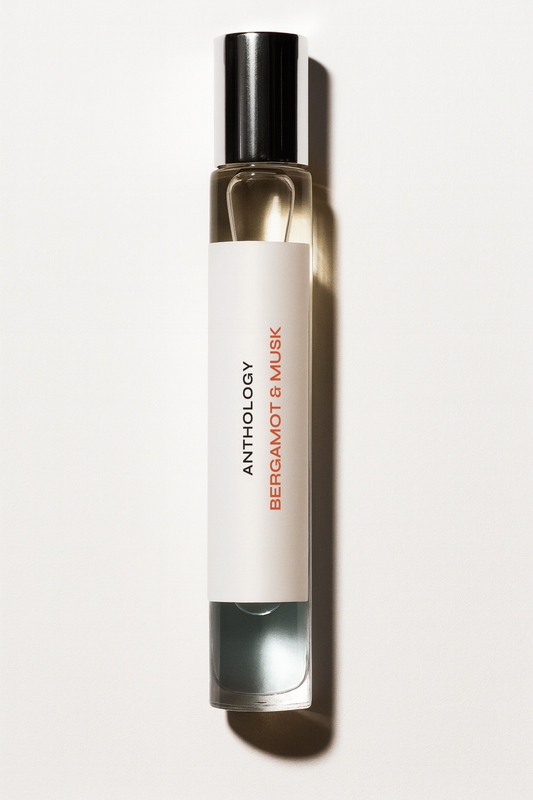
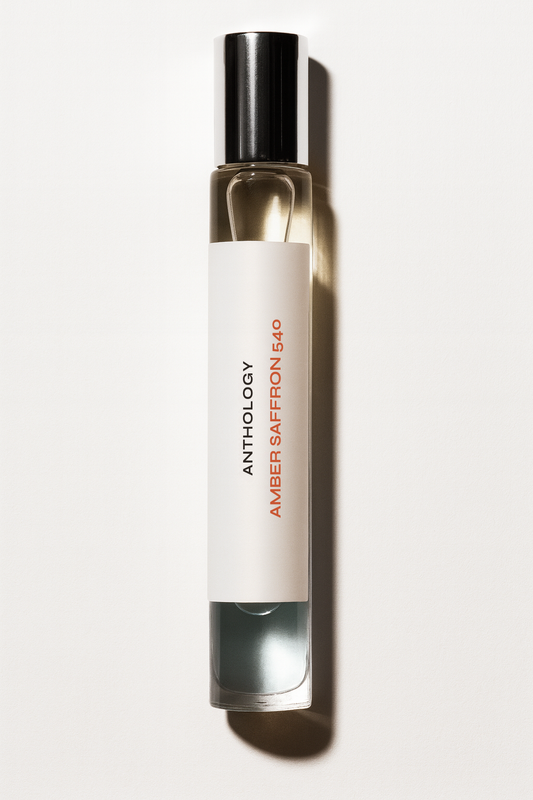
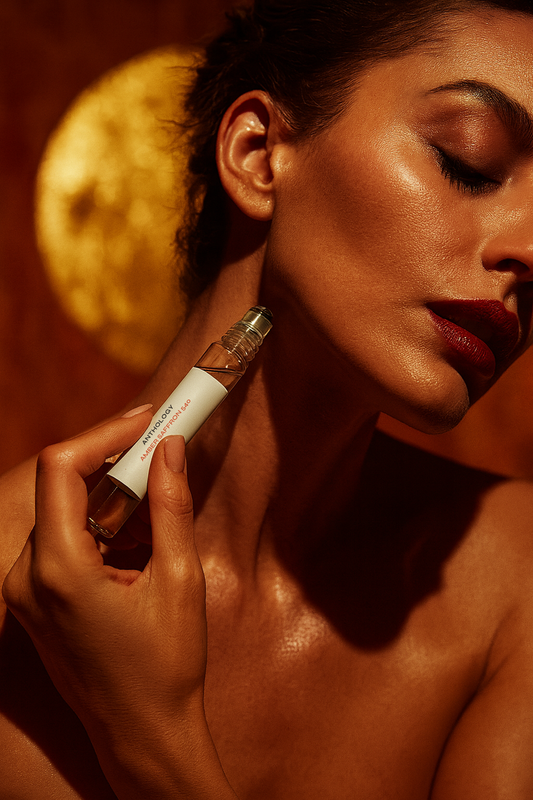
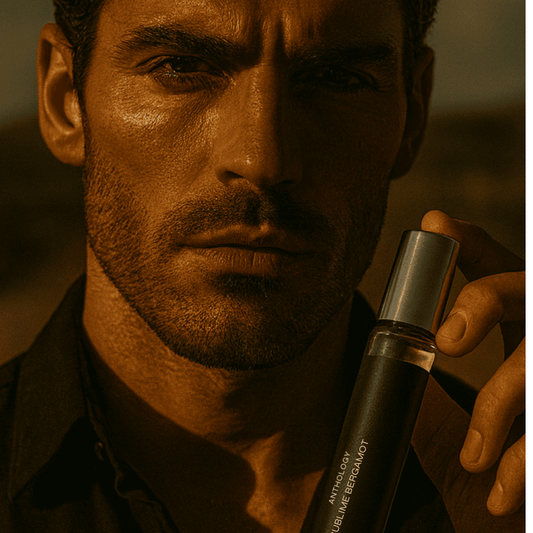
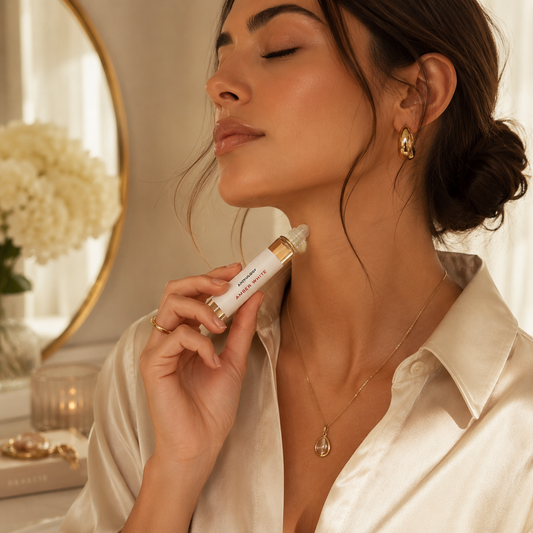
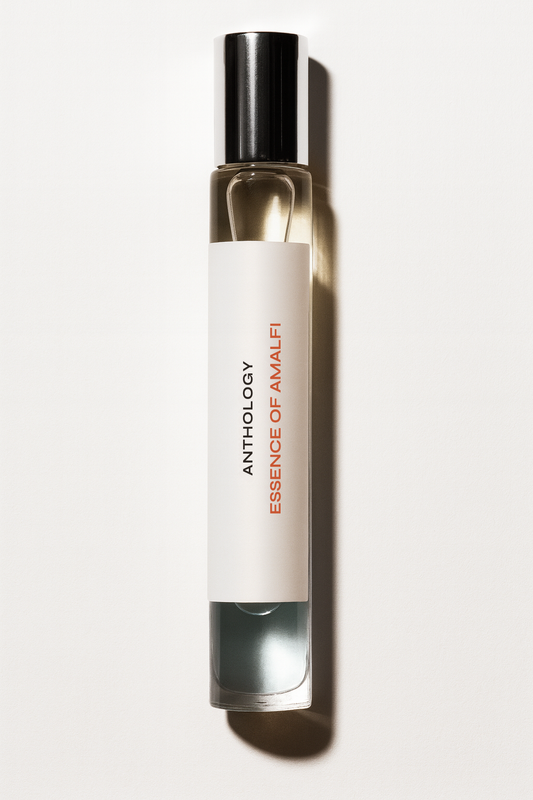
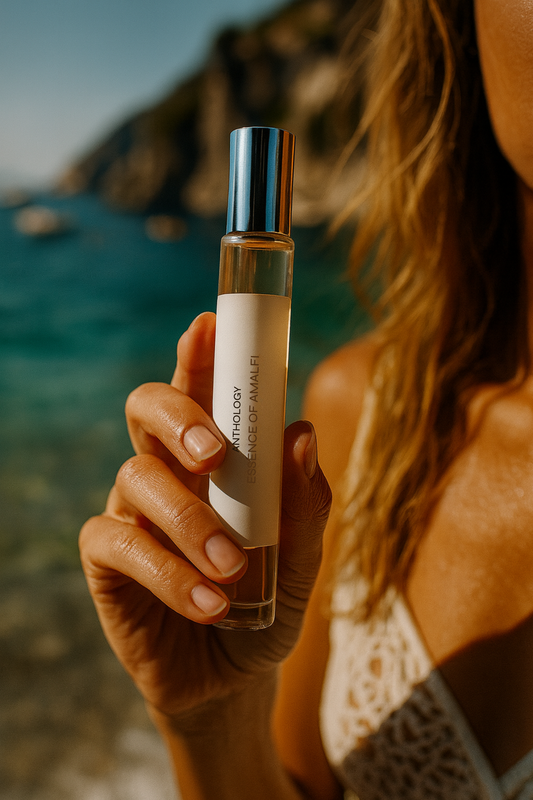
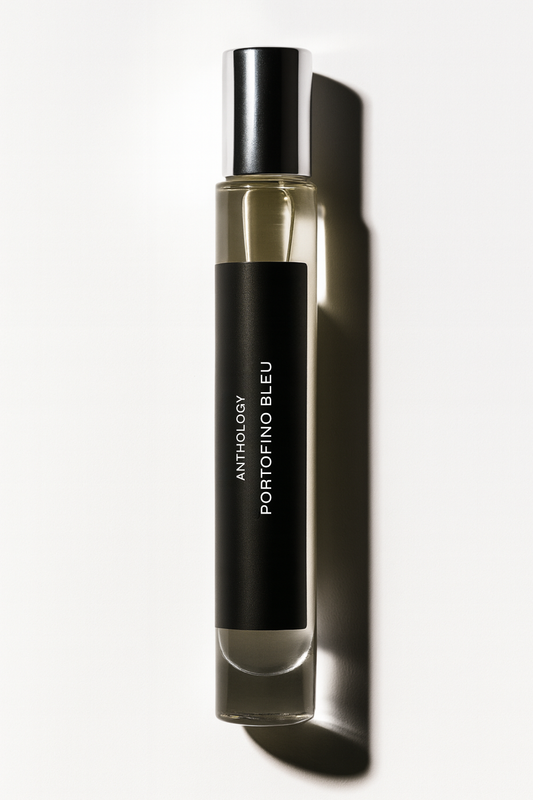
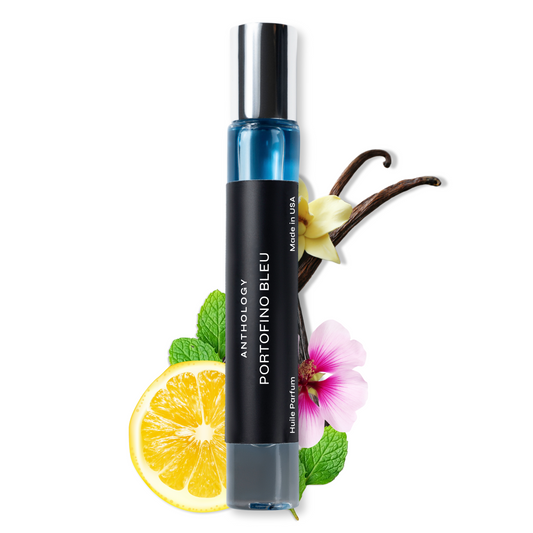
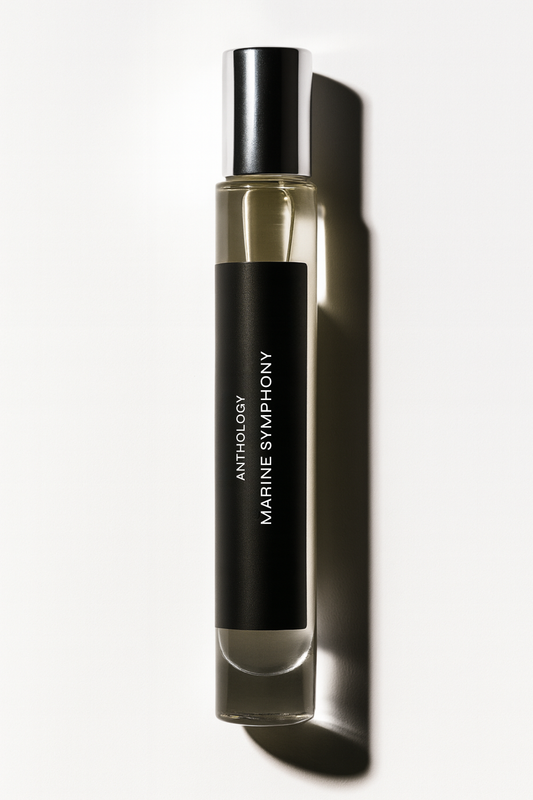
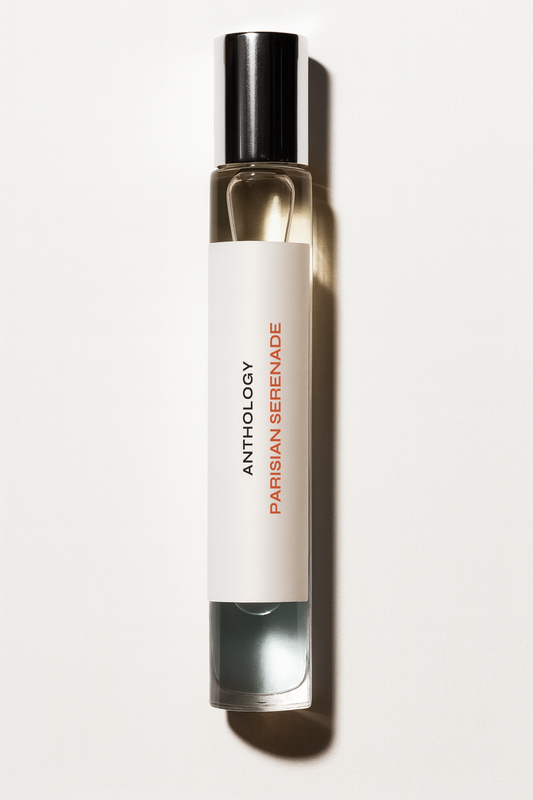
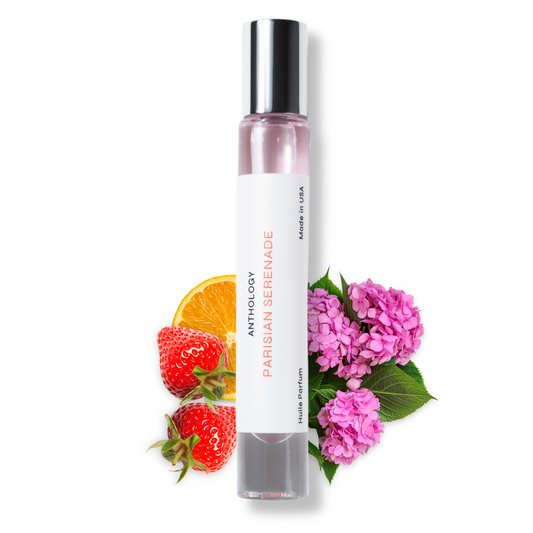
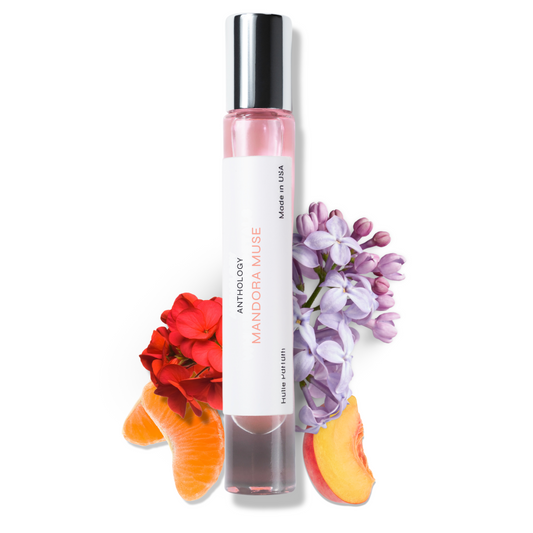
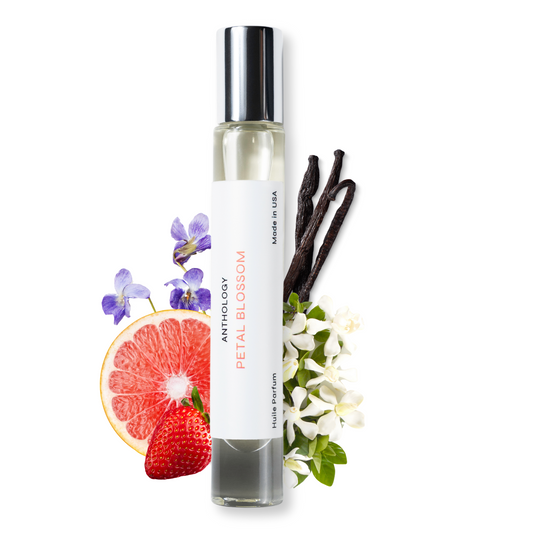
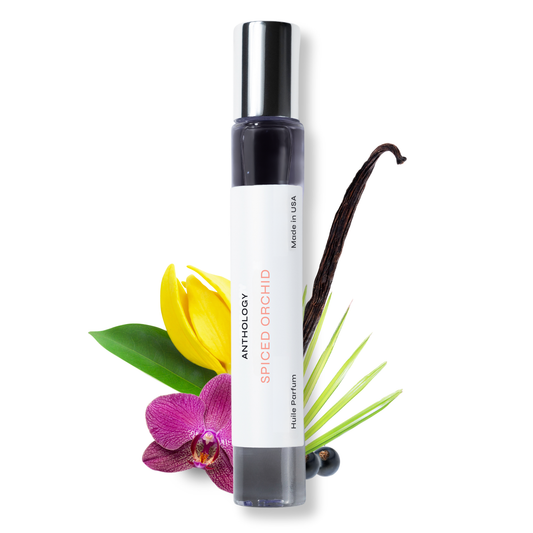
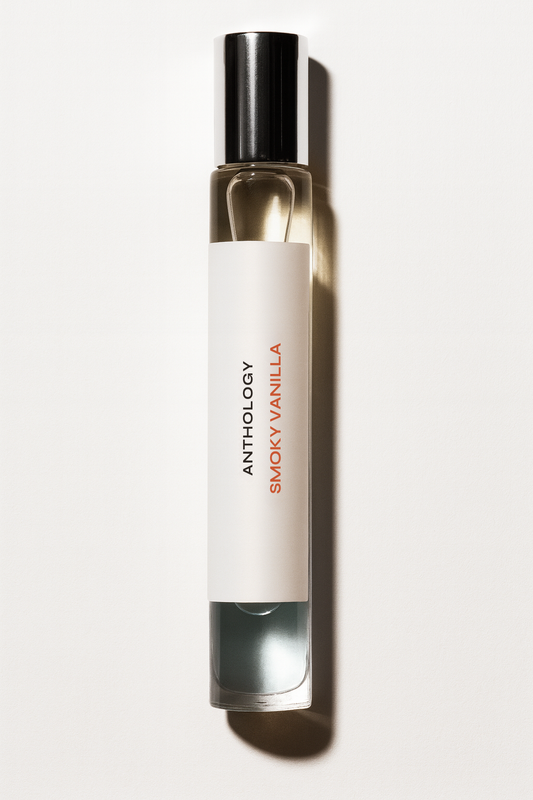
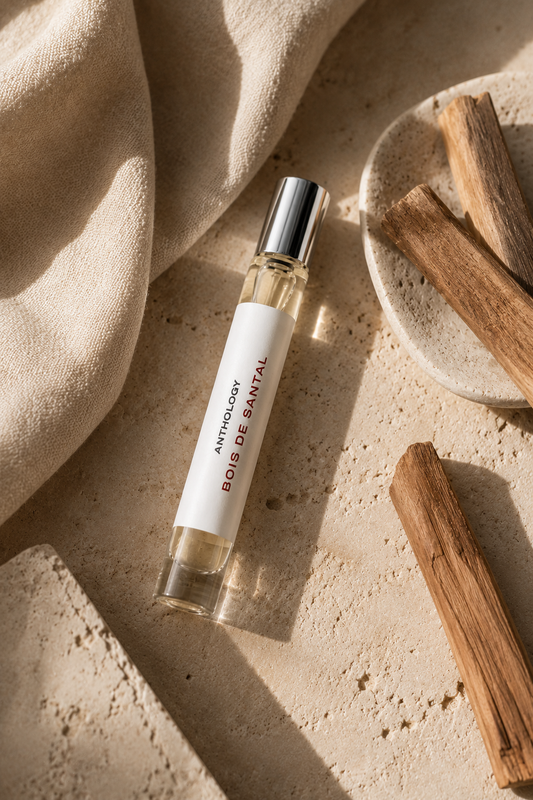
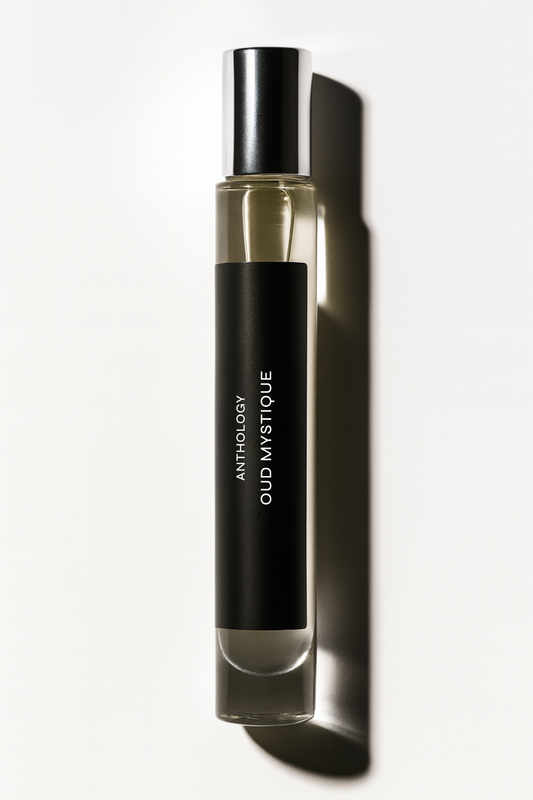
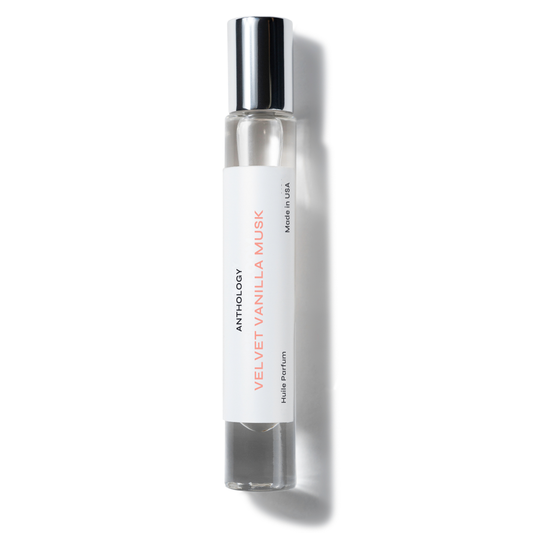
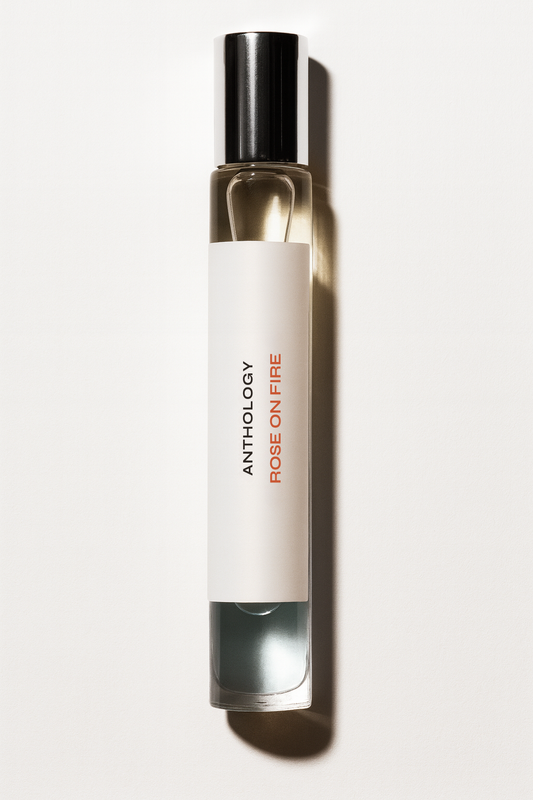
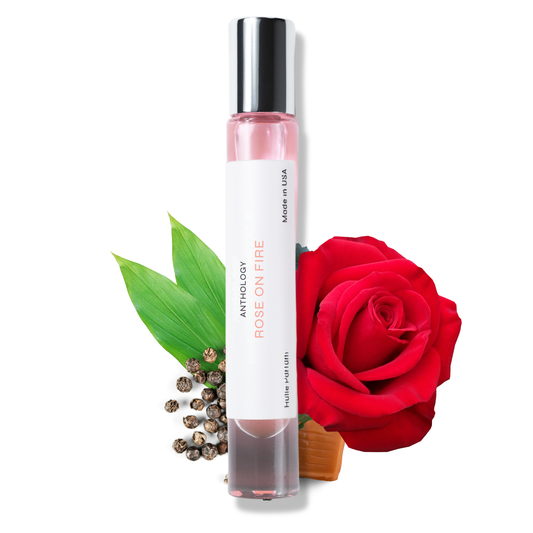
The best lesson of niche perfumery is the simplest one: wear what you love, know why you love it, and never apologise for your taste. Our Anthology Perfume Oils collection is built in the spirit of niche perfumery — genuine creative ambition, quality ingredients, and no compromises — in an accessible, alcohol-free format that brings the niche aesthetic to everyone who loves fragrance.