Parfums de Marly Delina: How a Rose Became a Modern Icon
Vandana MagnaniShare
Every so often a fragrance arrives that seems to rewrite the rules for an entire category. In 2017, Parfums de Marly released Delina, and the rose — perhaps the oldest and most storied material in perfumery — suddenly felt brand new. Bright, juicy and unapologetically pink, yet polished enough to sit comfortably in the most refined niche boutiques, Delina became one of the defining feminine fragrances of its decade. Here is how a rose became a modern icon, and how to capture its spirit in a perfume oil.
A House Built for Horsemen Turns to the Rose
Parfums de Marly takes its name and its imagery from the Château de Marly and the court of Louis XV, where equestrian pageantry and fine fragrance went hand in hand. As we explored in our profile of Parfums de Marly, the house first made its name with rich, confident compositions that leaned towards the masculine and the unisex. Delina marked a turning point: an unashamedly feminine creation that would go on to rival the house's most celebrated scents in popularity.
The brief was a delicate one. Rose had been interpreted thousands of times, from the powdery Victorian bouquet to the dark, oud-laced roses of the Middle East. To make it feel contemporary, Delina would need to keep the flower's romance while stripping away any sense of the old-fashioned.
The Perfumer: Quentin Bisch
Delina was composed by Quentin Bisch, a French perfumer known for a playful, modern touch and a gift for making familiar materials feel surprising. Rather than treating the rose as something precious to be preserved under glass, Bisch approached it like a fresh piece of fruit — something vivid, sparkling and alive. His solution was to surround the flower with tart, juicy notes that lift it, and to ground it in soft, sheer woods that keep it luminous rather than heavy.
The Scent: Lychee, Rhubarb and Turkish Rose
The opening is where Delina announces its personality. Lychee brings a sweet, slightly floral juiciness that naturally echoes rose, while rhubarb adds a crisp, green, almost mouth-watering tartness. Bergamot brightens the whole accord. Commonly cited compositions also mention touches of nutmeg and blackcurrant, adding a subtle spark to the fruit.
At the heart lies Turkish rose, full and velvety, paired with peony — a flower with no extractable essential oil, recreated in perfumery to give a fresh, dewy, petal-soft effect. A thread of vanilla adds warmth without tipping the composition into gourmand territory. The base settles into cashmeran, a modern woody-musky material with a soft, almost suede-like texture, alongside musk and vetiver, which give the finish its clean, refined polish.
What makes Delina distinctive is balance. The rose is front and centre, yet it never smells dusty or dated; the fruit is generous, yet it never becomes sugary. It is, in short, a rose for people who think they do not like roses. If you want to understand the flower behind it all, our Note Deep Dive on rose traces its long history from Persian gardens to the modern laboratory.
A Family of Roses: Exclusif and La Rosée
Success brought siblings. Delina Exclusif followed in 2018, a deeper and more enveloping interpretation; its listed notes include pear, lychee and grapefruit at the top, Turkish rose, incense and vetiver at the heart, and vanilla, musk and Evernyl in the base, giving the rose a darker, more resinous glow. In 2021 came Delina La Rosée, again by Quentin Bisch — an airy, dewy take built around lychee, pear and bergamot, with Turkish rose, peony and transparent florals over soft woods, white musk and vetiver. Together the three show just how many moods a single rose can hold.
Cultural Impact: The Pink Bottle Everyone Knows
Delina's rise coincided with the age of fragrance social media, and its blush-pink bottle became instantly recognisable. It helped prove that niche perfumery could be joyful and approachable as well as serious and avant-garde. Above all, it shifted perceptions of rose itself: no longer a grandmother's note, but a fresh, fruity, thoroughly modern signature. If you enjoy decoding that interplay of petal and fruit, our guide to floral versus fruity fragrances is a natural next read.
Why the Delina Mood Suits Perfume Oil
Fruity rose compositions are beautifully suited to oil. Without alcohol to flash off the brightest notes, a perfume oil lets the fruit and petals unfold more gradually and sit closer to the skin, creating an intimate, glowing aura rather than a cloud. A dab on the wrists and collarbone in the morning gives a soft, personal trail that evolves gently through the day — ideal for anyone who loves a rose but prefers it whispered rather than announced.
Delina and the Rose Edit at Anthology
For the real thing, Anthology Beauty stocks authentic Parfums de Marly: the original Delina, the richer Delina Exclusif and the dewy Delina La Rosée, available in samples and full bottles so you can discover which interpretation is yours.
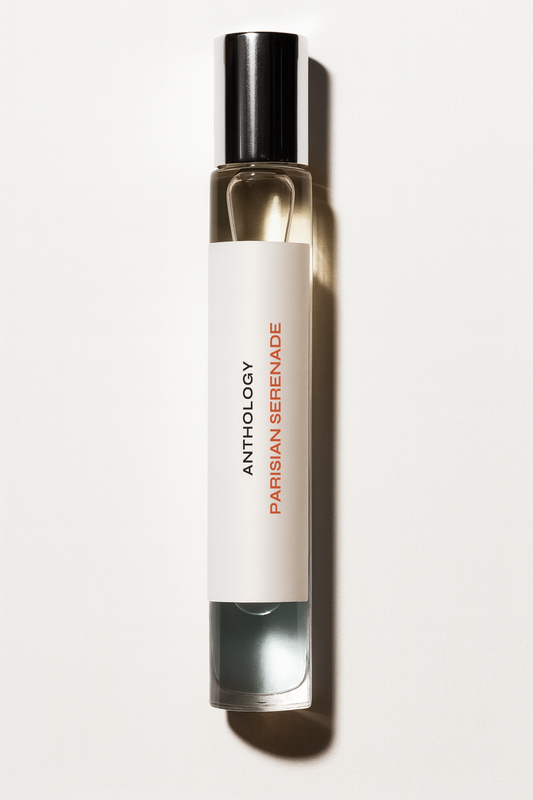
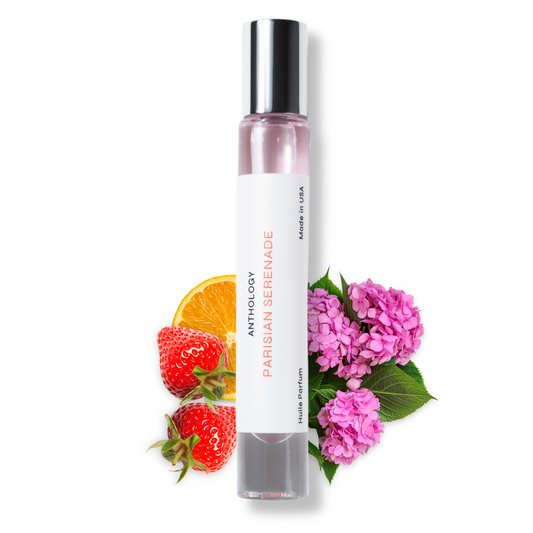
If you love the fruity-rose mood and want to explore it in perfume oil form, these Anthology creations share its spirit in their own way. Amber Rose opens with bright, fruity freshness before a heart of velvety rose petals and soft florals, settling into warm vanilla, musk and soft woods. Viva La Rose pairs juicy black cherry and pink pepper with May rose and violet, warmed by cashmere wood, amber and musk. For a peony-led alternative, Parisian Serenade blends strawberry and bergamot with jasmine, orange blossom and lush peony over patchouli, vanilla and musk.
Whichever rose speaks to you, the best way to find your signature is to wear it on your own skin. Discover the full range of perfume oils in the Anthology Collection.