Parfums de Marly: Royal Equestrian Heritage in a Bottle
Vandana MagnaniShare
Some fragrance houses are built on a perfumer's signature, others on a fashion name. Parfums de Marly was built on a story: the gilded court of Louis XV, a royal château on the edge of Paris, and a king's devotion to two great pleasures — fine scent and magnificent horses. In little more than fifteen years, this young house has turned that eighteenth-century fantasy into some of the most sought-after bottles in modern niche perfumery.
A House Born in 2009, Dreaming of 1743
Parfums de Marly was founded in Paris in 2009 by Julien Sprecher, a perfume-industry insider with a lifelong passion for French history. Rather than looking forward to the next trend, he looked back to what many consider the golden age of French refinement. The house takes its name from the Château de Marly, a royal retreat near Versailles first built for Louis XIV and later frequented by his great-grandson, Louis XV.
Louis XV's Versailles was nicknamed la cour parfumée — the perfumed court — where courtiers were said to wear a different scent each day and perfume was applied to gloves, fans, wigs and furniture alike. It was an age that treated fragrance not as an accessory but as an art of living, and that is precisely the spirit Parfums de Marly set out to revive.
The Horses of Marly
Louis XV was also a passionate horseman, and in 1739 he commissioned the sculptor Guillaume Coustou to create a pair of monumental marble groups for the château's horse pond. Carved between 1743 and 1745, the Chevaux de Marly show two rearing horses held back by their grooms — pure muscle, motion and tension frozen in stone. They were moved to the Place de la Concorde in 1794 and, to protect them from pollution, brought indoors to the Louvre in 1984, where they still dominate the glass-roofed Cour Marly.
Those horses became the emblem of the house, along with the date 1743, and the equestrian theme runs through the entire collection. Darley and Godolphin are named after the Darley Arabian and the Godolphin Arabian, two of the three foundation sires of the Thoroughbred racehorse. Herod honours a celebrated eighteenth-century stallion, while Pegasus borrows the winged horse of Greek myth. Even the bottles feel equestrian: heavy, sculpted glass crowned with the gleaming horse emblem, like a trophy from a royal stable.
The Scent of Marly: Layton and the House Style
If one fragrance put Parfums de Marly on the map, it is Layton. Launched in 2016 and composed by perfumer Hamid Merati-Kashani, it opens with a crisp bite of apple brightened by lavender, bergamot and mandarin. A soft floral heart of geranium, violet and jasmine leads into a warm, addictive base of vanilla, cardamom, sandalwood, pepper, guaiac wood and patchouli. The effect is fresh at first, then plush and sweetly spiced — the kind of scent that draws compliments without ever shouting.
Layton captures what the house does best: familiar, crowd-pleasing structures — the fougère, the fresh-woody, the floral — rendered with unusual richness and projection. Greenley, with its green apple, Sicilian bergamot, cedarwood and amberwood, offers a brighter, more outdoorsy take on the same polished freshness.
Then, in 2017, came Delina. Composed by Quentin Bisch, it pairs Turkish rose and peony with juicy lychee and rhubarb over cashmeran, musk and vetiver, and it quickly became one of the defining feminine niche fragrances of its decade. Delina deserves a story of its own, and we will be telling it soon on Rare Notes.
Why Parfums de Marly Struck a Chord
The house arrived at the perfect moment. As fragrance lovers began trading recommendations online, Parfums de Marly offered what many were searching for: niche prestige without obscurity. Its fragrances are approachable and generous, with strong sillage and long wear, yet they carry the mystique of heritage and a price tag that signals luxury. Layton in particular became a fixture of men's fragrance communities, and the house now sits comfortably alongside names such as Creed and Maison Francis Kurkdjian in the modern luxury conversation.
It is also a lesson in how storytelling shapes the way we smell. A blend of apple, lavender and vanilla is lovely on its own; framed by royal stables, marble horses and the perfumed court, it becomes something to aspire to. For more on how houses like this reshaped the market, read why niche perfumery changed everything.
Wearing the Marly Mood as a Perfume Oil
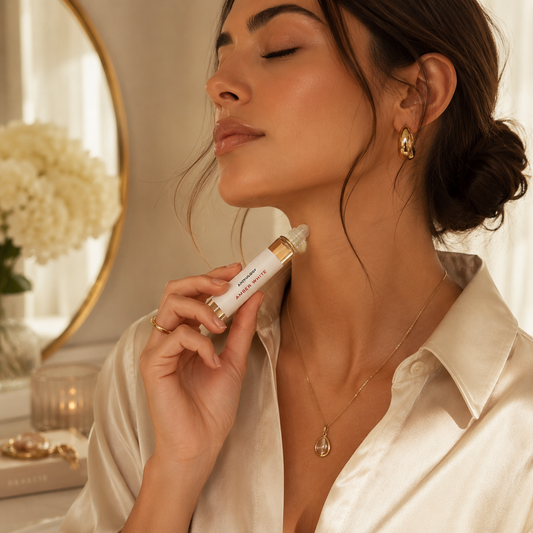
The Marly style — aromatic freshness melting into creamy woods and vanilla — translates beautifully to perfume oil. Without alcohol, the bright top notes feel softer and the warm base sits closer to the skin, unfolding gently over hours. Apply to pulse points after a shower, when skin is warm, and let the scent build its own quiet sillage rather than a cloud.
Parfums de Marly at Anthology
For the real thing, Anthology stocks authentic samples and bottles from the house. Try Parfums de Marly Layton, with its apple, lavender, geranium, vanilla and cardamom, or the brighter Parfums de Marly Greenley, built on green apple, bergamot, cedarwood and amberwood.
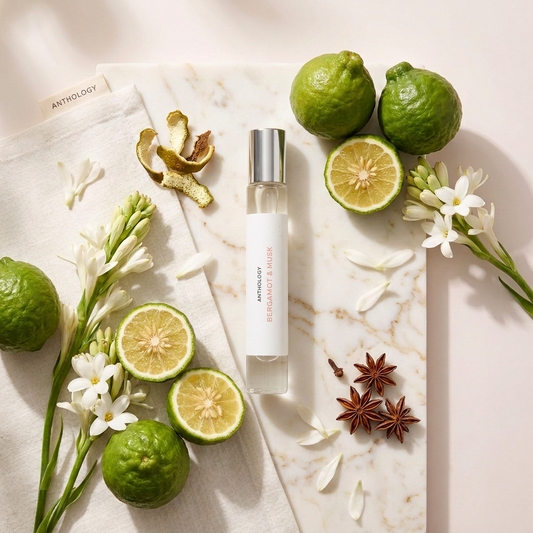
To explore the same aromatic, woody-warm mood in our own perfume oils, these are the ones to reach for:
Citrus & Cedarwood Perfume Oil — lemon, grapefruit and bergamot lead to a heart of lavender, pink pepper, nutmeg and geranium, settling on cedarwood, musk and incense.
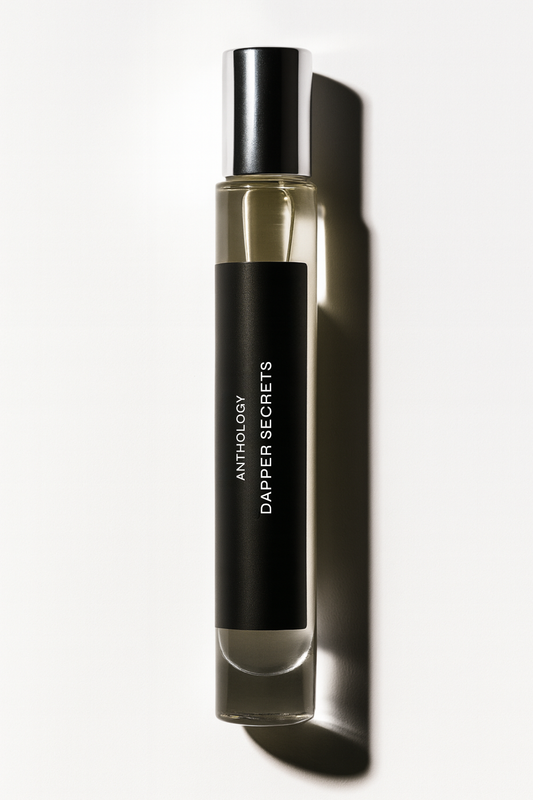
Dapper Secrets Perfume Oil — bergamot and lemon give way to star anise, nutmeg and lavender, finishing on tonka bean, guaiac wood and tobacco.
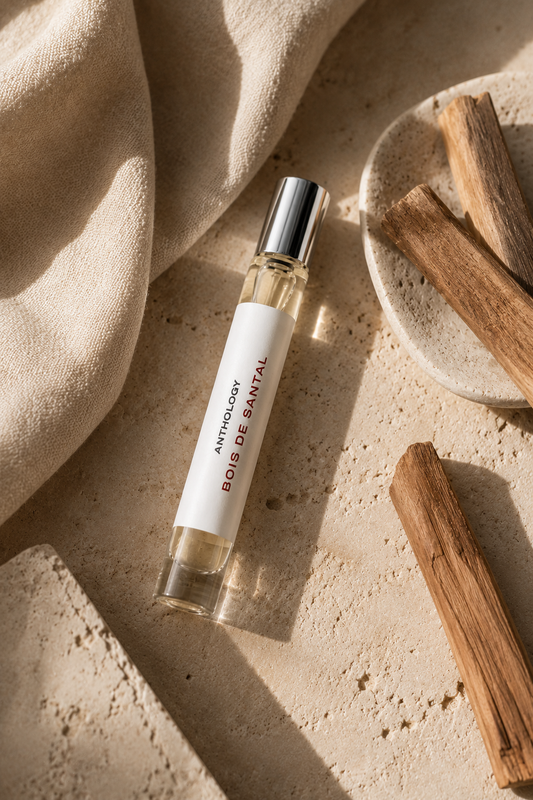
Bois De Santal Perfume Oil — bright cardamom, bergamot and pink pepper over creamy sandalwood, violet leaf and papyrus, with cedar and musk in the dry-down.
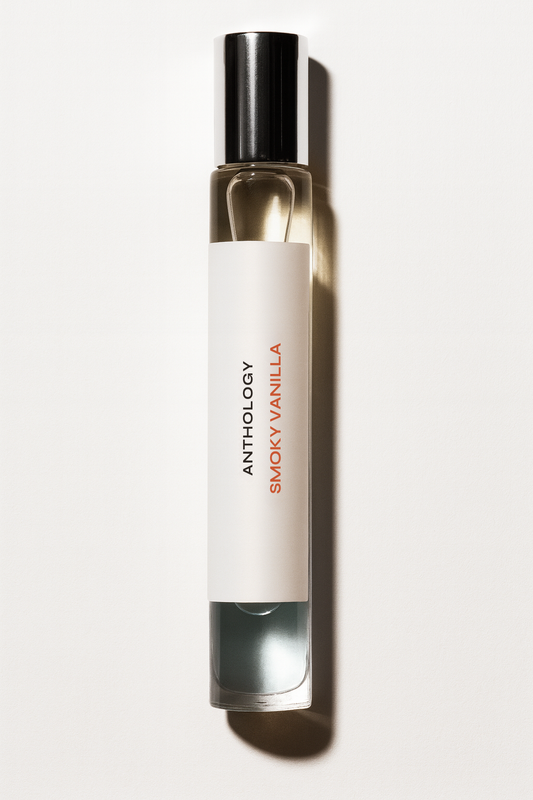
Smoky Vanilla Perfume Oil — black pepper and vanilla absolute wrapped in suede, amber, incense and cedarwood for those who love the warmer side of the house style.
Whether you are drawn to royal stables or simply to a beautifully made scent, discover more in the Anthology Collection.