Note Deep Dive: Fig — The Green Milk of the Mediterranean
Anthology BeautyShare
Break a leaf from a fig tree on a hot afternoon and something extraordinary happens. A bead of white sap wells up at the stem, and the air fills with a scent that is green and bitter, milky and sweet, woody and faintly coconut-like all at once. Few smells are so instantly transporting. For anyone who has walked past a fig tree on a Greek hillside or along a sun-baked Provençal wall, that smell is summer itself — and perfumers have spent the last three decades trying to bottle it.
What Is Fig in Perfumery?
The common fig, Ficus carica, is one of the oldest cultivated plants on earth, but in perfumery it is something of a paradox. There is no fig oil to distil and no fig absolute on the perfumer's shelf. The scent of fig is an accord: a reconstruction, built from several materials, of the whole tree — leaf, sap, fruit and wood. A fig accord can lean crisp and green, soft and milky, jammy and ripe, or dry and woody, depending on which part of the tree the perfumer wants you to smell.
An Ancient Fruit, a Modern Note
The fig's history with humankind is astonishingly long. In 2006, archaeobotanists studying the Neolithic village of Gilgal I in the Jordan Valley reported carbonised figs around 11,400 years old. The fruits came from a seedless variety that cannot reproduce without human help — grown from cuttings — which led the researchers to suggest that the fig may have been the first domesticated crop, predating wheat and barley. From there it spread across the Mediterranean, becoming a staple of Greek, Roman and Levantine life.
Yet for all those millennia, fig had virtually no place in perfume. The natural route was blocked: fig leaf absolute, once produced in small quantities, contains phototoxic furanocoumarins, and its use is now prohibited under IFRA standards. Fig as a perfume note had to wait for chemistry — and for a perfumer with the imagination to assemble it.
That perfumer was Olivia Giacobetti. In 1994 she created Premier Figuier for L'Artisan Parfumeur, widely credited as the first fragrance built around the fig. Two years later she composed Philosykos for Diptyque, inspired by summers on Mount Pelion in Greece and named from the Greek for "friend of the fig tree". Philosykos became the house's best-seller and is often credited with sparking the fig craze of the late 1990s, when brand after brand released a fig of its own.
The Smell of Fig
A good fig accord is really three or four smells layered into one:
The leaf. Sharp, green and slightly bitter, with a sappy, almost tomato-leaf edge. Perfumers often reach for green molecules such as Stemone, a synthetic with a distinctly leafy, fig-like character, alongside classic "cut grass" aldehydes.
The sap. This is the signature: the milky latex that weeps from a broken stem. It is usually suggested with lactones — gamma-octalactone and its cousins — which bring a creamy, coconut-adjacent softness.
The fruit. Ripe fig adds a gentle, jammy sweetness, sometimes with a hint of almond or dried-fruit depth, especially in darker, ambery compositions.
The wood. Dry, pale woods — cedar-like materials in particular — evoke the smooth grey bark and give the accord structure.
The magic lies in the contrast. Green bitterness keeps the milkiness from turning cloying; creaminess keeps the green from feeling sharp. The result smells alive, like a tree in the heat rather than a bowl of fruit.
Fig's Role in Perfumery
Fig is a remarkable mixer. Its green side pairs beautifully with citrus — bergamot and bitter orange especially — and with tea, where the two share a calm, slightly astringent quality. Its milky side flatters coconut, musk and vanilla, softening into an intimate skin scent. Its woody side sits naturally on cedarwood and vetiver, and a pinch of black pepper gives the whole thing a sunlit crackle.
Because it sits between green and gourmand, fig works across the seasons: bright and leafy in summer, creamy and comforting once the weather turns. If you enjoy fig, you will likely enjoy exploring green fragrances more broadly, and the dry woods that anchor it are explored in our cedarwood deep dive.
Why Fig Suits Perfume Oil
Fig's milky, creamy facets are exactly the kind of material that blossoms on skin. In an alcohol-based spray, the green top notes can flash off quickly and leave the sap accord a little thin. In a perfume oil, there is no alcohol burst — the leaf, sap and wood unfold together and stay close, warm and textural. Fig rewards that intimacy: it is a note to be discovered at close range, which is why so many fig scents double as quiet skin scents. Apply to pulse points, let it settle for a few minutes, and the creamy heart will carry for hours.
Fig at Anthology
Citrus Matcha Perfume Oil is our most fig-forward oil. It opens with matcha and citrus, then reveals a heart of bitter orange and creamy fig before drying down to vetiver and cedarwood — a clean-green composition with soft sillage that stays close to the skin. It is the perfect introduction to fig's calmer, more contemplative side.
Chilly Pacific Perfume Oil takes fig somewhere fresher. Blackcurrant, citron, orange and apricot lead into a herbal heart of basil, mint and coriander, before a smooth, musky dry-down of soft fig, ambrette and subtle woods. Here the fig is airy and clean — ideal for warm days and travel.
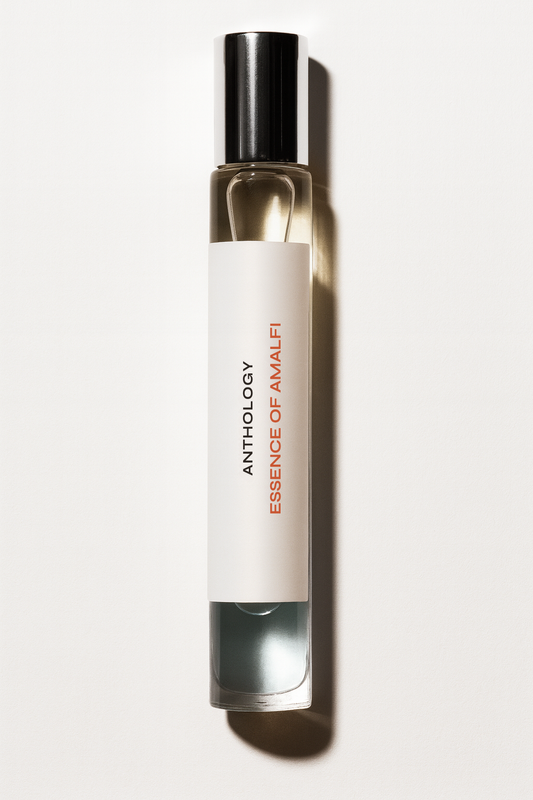
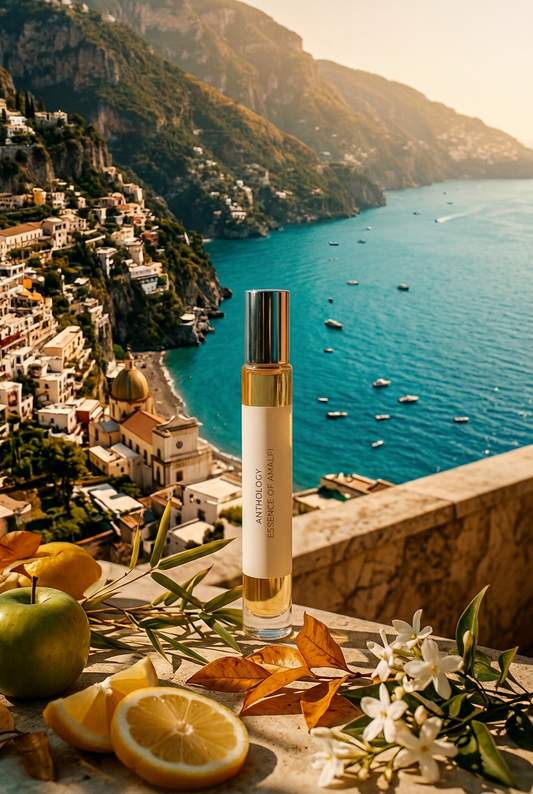
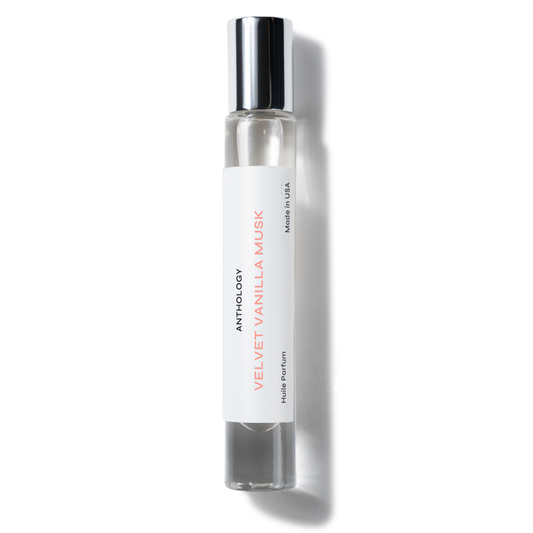
To bring out fig's creamy, milky facet, try layering either oil with Velvet Vanilla Musk Perfume Oil, whose vanilla and musk wrap the green notes in softness. For a more Mediterranean mood, Essence of Amalfi Perfume Oil — Amalfi lemon, green apple, jasmine and bamboo over cedarwood and amber — evokes the same sun-drenched coastline where fig trees grow.
If you would like to smell the fig classics themselves, we also carry samples of Diptyque Philosykos, the green-woody tribute to the whole fig tree (fig leaves, fig tree sap, fig tree wood and black pepper), and Le Labo Thé Matcha 26, which infuses a matcha tea accord with a creamy fig note over cedarwood, soft musk and vetiver.
Fig is proof that some of perfumery's most beloved notes do not exist in nature as an essence at all — they are memories, rebuilt molecule by molecule. Discover more in the Anthology Collection.