Diwali Fragrances: Attars, Oud and the Scents of the Festival of Lights
Anthology BeautyShare
As dusk falls on Diwali, the air changes. Rows of clay diyas flicker along doorsteps and balconies, marigold garlands hang heavy over doorways, a curl of sandalwood incense drifts from the household shrine and the kitchen exhales cardamom, ghee and saffron. The Festival of Lights is, for anyone who has lived it, just as much a festival of scent. This year Diwali falls in early November, with the main night of Lakshmi Puja on 8 November 2026 — the perfect moment to explore the fragrances woven through the celebration, from the ancient attars of Kannauj to the warm, glowing oils you can wear to every gathering of the season.
Why Diwali Smells the Way It Does
Diwali stretches across five days, from Dhanteras to Bhai Dooj, and nearly every ritual carries its own aroma. Homes are scrubbed and decorated in welcome for the goddess Lakshmi; rangoli patterns are laid at the threshold; oil lamps are lit to banish darkness. In many households the day before the main festival begins with an early-morning oil bath and a cleansing paste, or ubtan, traditionally made with ingredients such as gram flour, turmeric and sandalwood. Then come the sweets — kaju katli, laddoos, saffron-tinted kheer — the smoke of agarbatti and dhoop, the earthy tang of fresh flowers and, in the evening, the sulphurous sparkle of fireworks. Put together, the festival smells of warmth: spice, resin, sweetness, flowers and flame.
Attar: The Original Festive Perfume
Long before alcohol-based sprays, India perfumed its celebrations with attar — fragrant oils traditionally made by distilling flowers, herbs or woods into a base of sandalwood oil. The undisputed home of this craft is Kannauj, an ancient city on the Ganges in Uttar Pradesh, often called the perfume capital of India. There, perfumers still use the deg-bhapka method: botanicals are slowly hydro-distilled in large copper stills (the deg), and the fragrant vapour travels through a bamboo pipe into a receiving vessel (the bhapka) that holds the sandalwood oil, cooled in water. The process is slow, patient and remarkably unchanged.
Attars are applied in tiny touches to the wrist, behind the ears or on clothing, and they have long been part of weddings, prayer and festivals — given as gifts and dabbed on guests as a gesture of welcome. If you would like the fuller story of how attar differs from modern perfume oil, our guide What Is the Difference Between a Perfume Oil and an Attar? explains it in depth.
The Classic Notes of the Festival
Rose. Rose attar, or ruh gulab, is among the most treasured of Indian perfumes, and roses scatter the festival as petals, garlands and offerings. A rose for Diwali should feel rich and jammy rather than dewy — rose at full bloom in the evening heat.
Sandalwood. Creamy, milky and softly sacred, sandalwood is the base of traditional attars and a fixture of temple incense and ubtan. It is the scent of calm amid the celebration.
Oud. Dark, resinous and precious, oud has travelled from the attar shops of India and the Middle East into the heart of Western luxury perfumery — a journey we traced in Tom Ford Oud Wood and our Oud Note Deep Dive. On Diwali night, a touch of oud feels ceremonial.
Saffron and spice. Saffron threads in sweets, cardamom in chai, turmeric in the ubtan: Diwali's spices are golden and warming, and they translate beautifully into fragrance.
Mitti and the earth. Kannauj is also famous for mitti attar, made by distilling baked clay to capture the smell of rain falling on dry earth. It is a reminder that Indian perfumery has always bottled moments, not just materials.
Choosing Your Diwali Scent
Think about the shape of your festival. For puja and family visits, choose something soft and sincere — sandalwood, gentle amber or vanilla that sits close to the skin and never competes with incense or food. For Diwali parties and card evenings, reach for richness: rose with spice, saffron-amber or oud, worn in the glow of candlelight and dressed-up silks. For gifting, a beautifully presented perfume oil continues the attar tradition of giving fragrance as a blessing — and we always suggest warm, wearable families such as amber or vanilla when you are unsure of someone's taste.
Above all, respect the room. Diwali gatherings are close, crowded and full of competing aromas, so a few precise touches are better than a cloud.
Why Perfume Oil Suits the Festival of Lights
Perfume oil is the modern descendant of the attar tradition. Concentrated and alcohol-free, it is applied in a few deliberate strokes to the pulse points, where it warms with the skin and unfolds gently rather than projecting across the room. That intimacy is exactly what a crowded festive home calls for. Oils also travel well in a handbag or kurta pocket for a top-up between visits, and their slow, close development mirrors the patience of the deg-bhapka stills — fragrance that rewards those who lean in.
Diwali Fragrances at Anthology
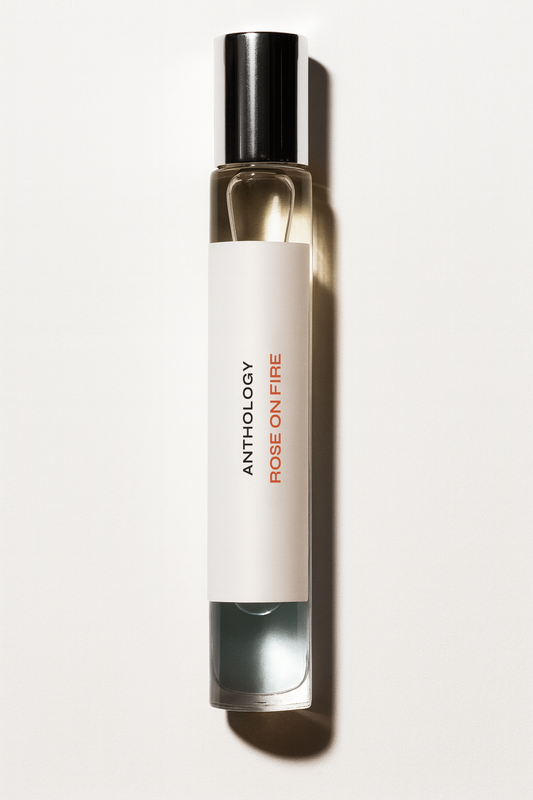
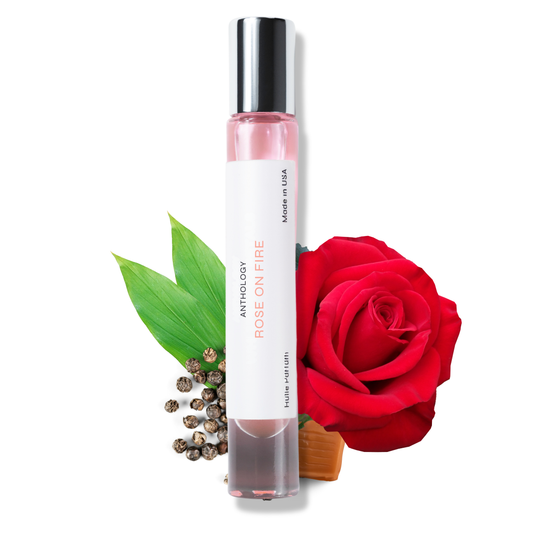
Rose on Fire Perfume Oil could have been composed for Diwali: Sichuan pepper and turmeric spark the opening before Bulgarian rose, Turkish rose and Rose de Mai bloom over patchouli, tonka bean and musk. Golden spice and opulent rose — the festival in a single stroke.
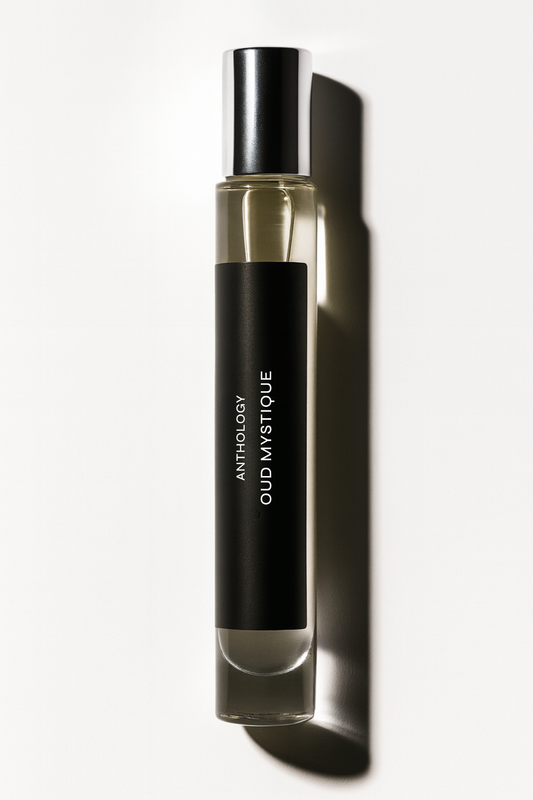
Oud Mystique Perfume Oil brings the ceremony of oud, opening with cardamom and pepper before a heart of oud wood and creamy vanilla, settling into amber, vetiver and sweet patchouli. Ideal for the evening of Lakshmi Puja.
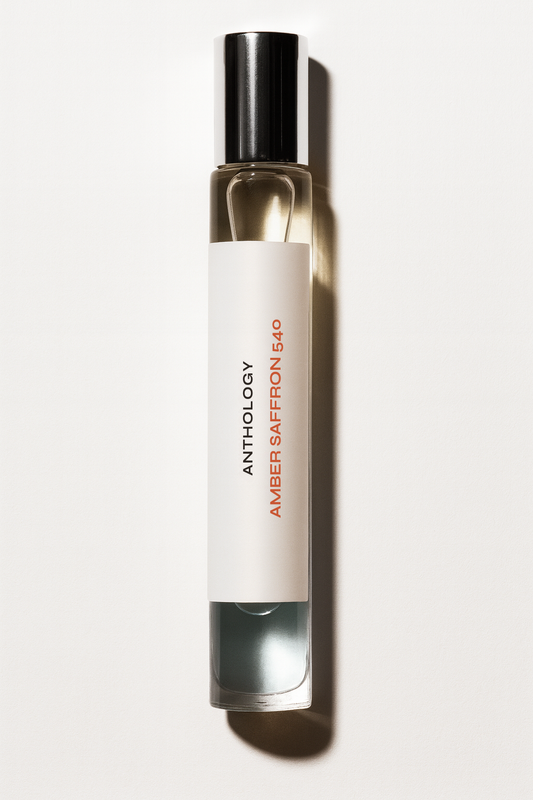
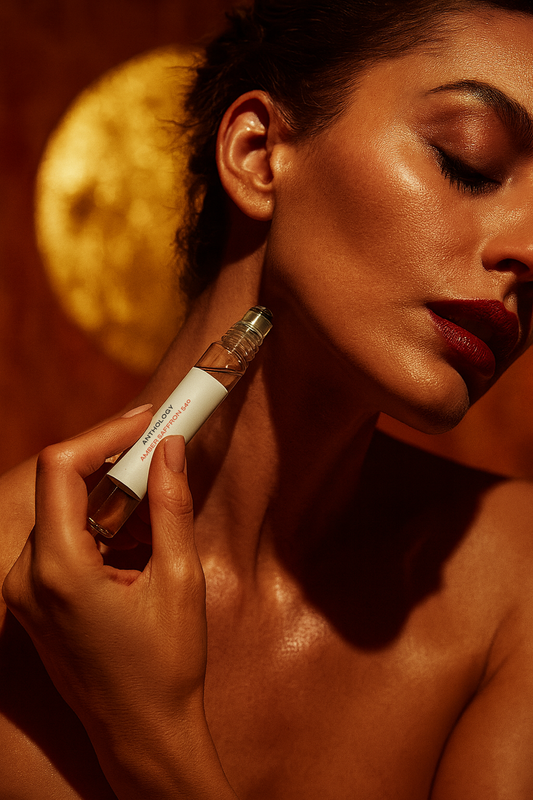
Amber Saffron 540 Perfume Oil opens on bright saffron and melts into rich amber with subtle floral undertones — warm, sweet and gently spiced, like saffron sweets glowing under lamplight.
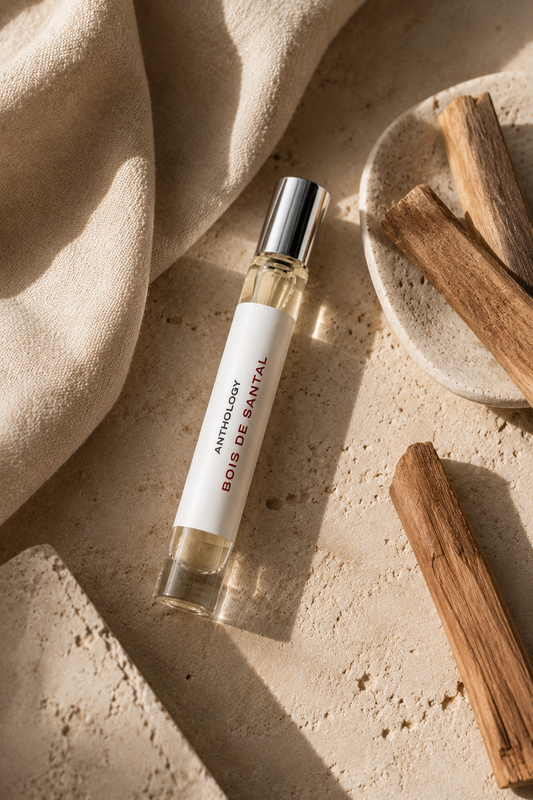
Bois de Santal Perfume Oil centres on a creamy sandalwood accord with cardamom and pink pepper, a quiet modern nod to the sandalwood base of traditional attar and perfect for puja and family visits.
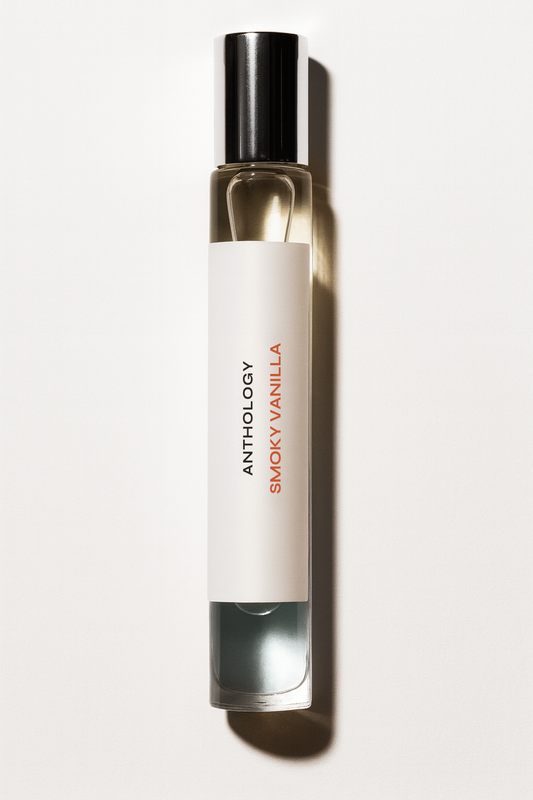
Smoky Vanilla Perfume Oil pairs black pepper and warm resins with rich vanilla, incense and cedarwood — the smell of diyas, dhoop and sweets drifting through the house at night.
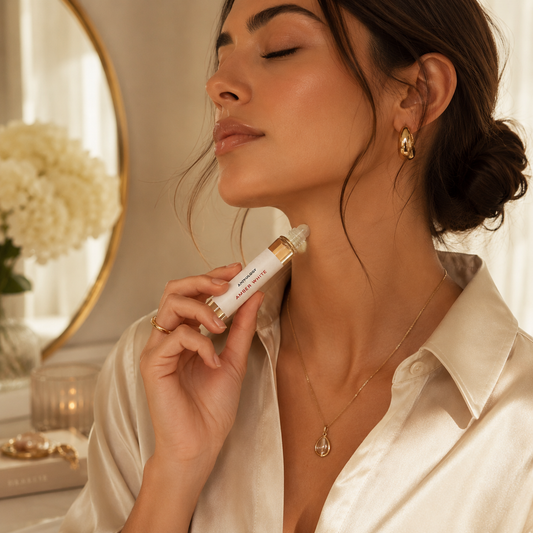
Amber White Perfume Oil wraps vanilla orchid and jasmine around brown sugar, amber and tonka — a soft, crowd-pleasing choice for gifting.
Light the lamps, share the sweets and wear something golden. Wishing you a happy and fragrant Diwali — explore the full Anthology Collection to find your scent for the Festival of Lights.