Note Deep Dive: Tuberose — The Flower of Forbidden Pleasure
Anthology BeautyShare
There are flowers that whisper and flowers that sing, and then there is tuberose, which walks into a room and makes everyone else go quiet. Creamy, heady, faintly buttery and unmistakably sensual, it is one of the most polarising materials in perfumery: adored by those who crave drama, feared by those who prefer their florals polite. For centuries it has carried a reputation as the flower of forbidden pleasure, and one breath of it at dusk explains why.
What Is Tuberose?
Tuberose, Polianthes tuberosa, is a perennial plant of the agave family with tall stems of waxy, star-shaped white blossoms. Despite its name, it has nothing to do with the rose. The word comes from the Latin tuberosa, meaning swollen or tuberous, a reference to the bulb-like root from which it grows. The misreading "tube-rose" has stuck in everyday speech, but the flower belongs to an entirely different world.
Its perfume is at its most intense after sunset. In India, where much of the world's perfumery tuberose is now grown, it is called rajnigandha, often translated as "fragrant at night", and its blossoms are woven into wedding garlands and temple offerings. In Hawaii it is a classic lei flower.
From Aztec Gardens to the Court of Versailles
Tuberose is native to Mexico, where it was domesticated by the Aztecs long before European explorers arrived. Carried to Europe in the seventeenth century, it quickly became a status symbol. Louis XIV had it planted by the hundreds in the gardens of the Grand Trianon at Versailles, replacing flowers so often that the air never lost its sweetness. A century later, Marie Antoinette's perfume is said to have included tuberose among its precious florals.
The flower soon found its way to Grasse, where perfumers captured its scent through enfleurage: fresh petals were laid on sheets of purified fat, replaced day after day until the fat was saturated with fragrance, then washed with alcohol to yield an absolute. It was painstaking, costly work, and tuberose absolute remains among the most expensive floral materials in perfumery today. Folklore of the period warned young women not to breathe its scent after dark, lest it stir feelings they were not supposed to have. Whether truth or gossip, the legend gave tuberose an aura of seduction it has never lost.
The Smell of Tuberose
Close your eyes over a tuberose absolute and you meet a remarkable paradox. It is creamy and almost edible, with facets that recall coconut, apricot and warm butter, yet it also carries a green, camphoraceous edge and a medicinal, wintergreen coolness. Beneath the sweetness lies something fleshy and animalic. Much of this complexity comes from natural compounds such as methyl benzoate, methyl salicylate, methyl anthranilate and indole, alongside creamy lactones that give tuberose its lush, milky texture.
That indolic warmth is what makes tuberose feel so intimate. It shares this quality with jasmine and orange blossom, and together the three form the backbone of the grand white floral tradition.
Tuberose's Role in Perfumery
The fragrance that defined tuberose for the modern age is Fracas, created by Germaine Cellier for Robert Piguet in 1948. Cellier, one of the few women working as a perfumer at the time, built a bold, voluptuous floral around tuberose, softened with orange blossom, jasmine and iris. It has remained in production ever since and is still the benchmark against which tuberose fragrances are measured.
Later interpretations pushed the flower in new directions. Serge Lutens' Tubéreuse Criminelle (1999) opened with a startling, almost mentholated blast before revealing the bloom, while Dominique Ropion's Carnal Flower for Editions de Parfums Frédéric Malle (2005) rendered tuberose green, luminous and enormous. Today the note appears everywhere, from sheer, dewy skin scents to rich evening perfumes.
Perfumers love to pair tuberose with jasmine and orange blossom for a full white floral bouquet; with coconut or vanilla to amplify its creaminess; with tonka bean and cocoa for a gourmand twist; and with woods and musks to ground its exuberance. A touch of green or citrus lifts it into daylight; amber and spice carry it into the night.
Why Tuberose Shines in Perfume Oil
Tuberose is a heavy, rich material, and it feels completely at home in an oil base. Without alcohol to flash off the brightest facets, a perfume oil lets its creamy, skin-like warmth unfold slowly and intimately. The result sits closer to the body, blooming with your own warmth rather than filling a room, which makes even a bold white floral surprisingly wearable. Apply a small amount to pulse points in the evening, and let it develop over several hours.
If you already love jasmine, tuberose is a natural next step; our Note Deep Dive on jasmine explores its closest relative, and our guide to neroli and orange blossom introduces the third member of the white floral trio. For more on how perfumers build fragrances around a single bloom, read the difference between a soliflore and a bouquet.
Tuberose and White Florals at Anthology
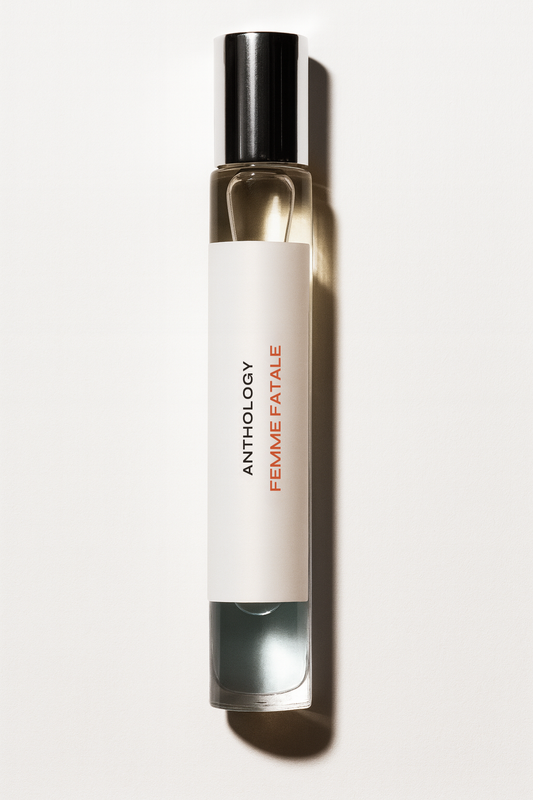
Femme Fatale Perfume Oil is our most direct celebration of tuberose. Bergamot and sweet almond open onto a sensual heart of jasmine sambac, tuberose and Bulgarian rose, before settling into roasted tonka bean, warm cocoa and creamy vanilla. It is tuberose at its most seductive: an evening scent for those who want to be remembered.
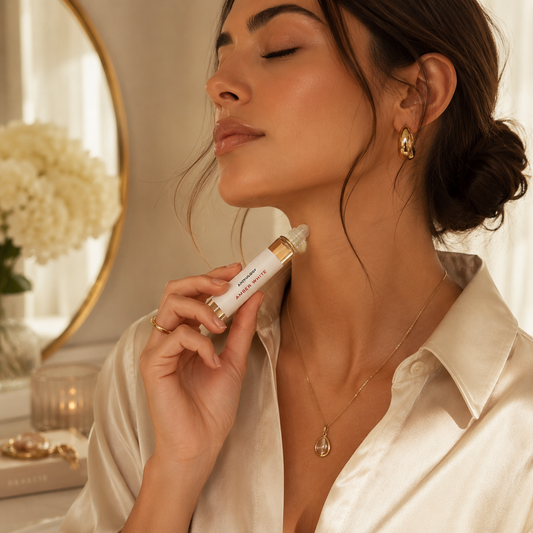
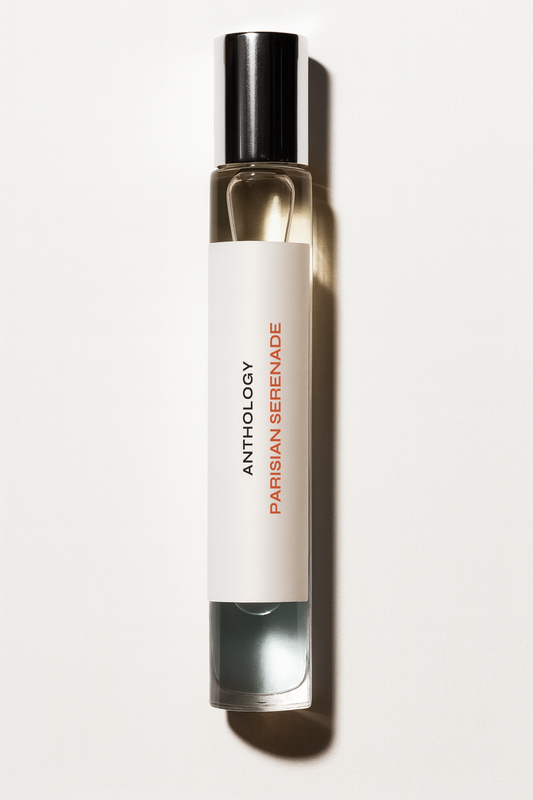
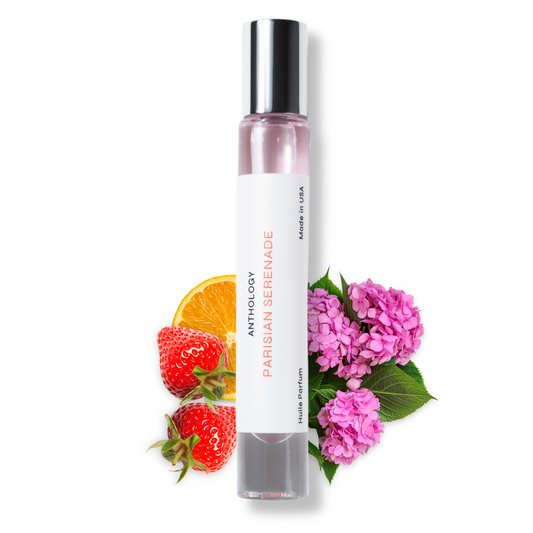
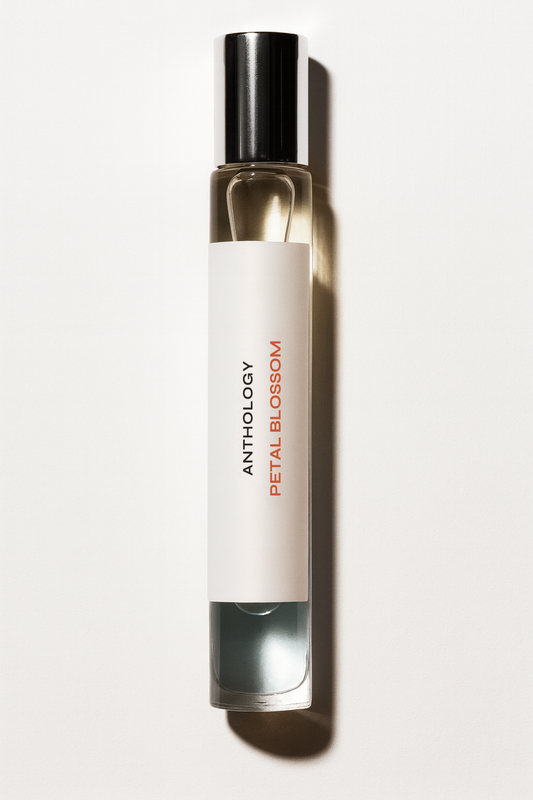
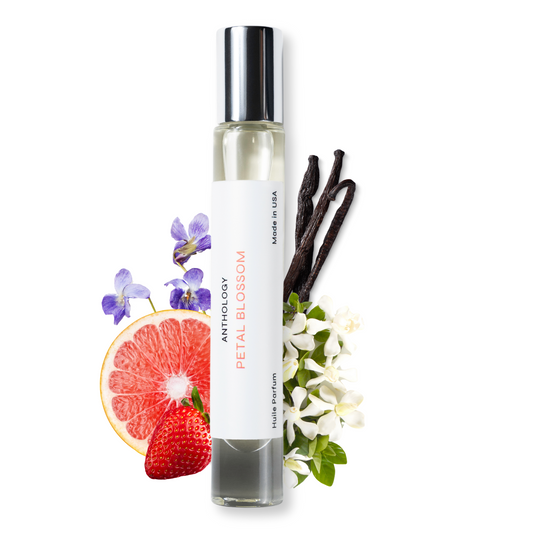
To explore the wider white floral family that tuberose belongs to, try Vanilla White Flowers Perfume Oil, where fresh pear leads to a heart of jasmine and orange blossom over warm vanilla and cedarwood. Petal Blossom Perfume Oil pairs gardenia, jasmine and violet with creamy vanilla and white woods, while Parisian Serenade Perfume Oil weaves jasmine, orange blossom and peony over patchouli and musk. For something warmer, Amber White Perfume Oil wraps vanilla orchid and jasmine in amber, tonka bean and soft musk.
Tuberose is not a flower for the faint-hearted, and that is precisely its charm. Discover your own evening bloom in the full Anthology Collection.