The House of Creed: Heritage, Legend and Myth
Anthology BeautyShare
Few names in perfumery carry quite as much mystique as Creed. The silver-capped bottles, the talk of royal patrons and seven generations of perfumers, the near-mythical status of Aventus — it all adds up to one of the most compelling stories in luxury fragrance. But the story of Creed is also a lesson in how perfume houses build legend, and why the most interesting thing about a fragrance is often what is actually in the bottle.
The Heritage Story
According to the house, Creed was founded in London in 1760 by James Henry Creed as a tailoring business, dressing aristocrats and, by the nineteenth century, members of European royalty. Much of this account traces back to Charles Creed's 1961 memoir Maid to Measure, which describes the family firm cutting riding habits for clients such as Queen Victoria and Empress Eugénie. The house's own narrative says it turned towards perfume in the late eighteenth century, scenting leather gloves for its clientele before eventually becoming a fragrance house in its own right.
It is a beautiful origin story — and it is exactly that: a story. Independent researchers have pointed out that documentary evidence of Creed as a perfume business, such as bottles, receipts, licences or warrants, only appears from around 1970 onwards, and the house's first French perfume trademark was registered in 1979. Wikipedia lists the 1760 founding date as disputed. None of this makes the perfumes any less enjoyable, but it is worth separating the legend from the liquid.
Legends, Patrons and Myths
Creed's marketing has long linked particular fragrances to famous wearers. Tabarome is said to have been commissioned by a cigar-loving British statesman; Original Vetiver is said to have been made for one of America's leading families; Angélique Encens is said to date from 1933. Over the years, the house's advertising has also associated its scents with a number of celebrated figures who were no longer alive to confirm or deny it.
Most of these claims have no independent historical confirmation. Journalist Gabe Oppenheim's 2021 book The Ghost Perfumer also challenged the idea that every Creed fragrance was composed in-house by members of the family; perfumer Pierre Bourdon, best known for Cool Water, has said he worked on several Creed classics, including Green Irish Tweed. Read the legends as romance, not record — the way you might read a wine label's poetic tasting notes.
Olivier and Erwin Creed
For decades the public face of the house was Olivier Creed, presented as the sixth generation of the family and credited by the house with signatures including Green Irish Tweed, Silver Mountain Water, Virgin Island Water, Royal Oud and Aventus. He died in May 2026, and his son Erwin Creed continues as co-creative director. Whatever the debate about attribution, Olivier Creed's instinct for clean, luminous, beautifully finished fragrances shaped the house's style, and his love of travel, sport and the outdoors runs through its best-known compositions.
The Fragrances That Built the House
Green Irish Tweed (1985) was Creed's mainstream breakthrough: a fresh, green fougère that evokes cool grass and open countryside, and one of the defining masculine scents of its decade. Its crisp, airy structure is so influential that it is often cited as a forerunner of the fresh fougères that dominated the 1990s. If the fougère family is new to you, our guide What Is a Fougère Fragrance? explains its lavender-and-coumarin backbone.
The 1990s brought brighter, airier compositions such as Silver Mountain Water, inspired by Alpine streams, and Millésime Impérial, which evokes sun-warmed Mediterranean shores. Original Santal pairs a fruity opening of juniper berry and bergamot with sandalwood and orange blossom, while Royal Oud (2011) was the house's take on the oud trend, inspired by the architecture of a Persian palace.
Then came Aventus in 2010 — the smoky-fruity phenomenon that turned Creed from a connoisseur's name into a global status symbol, and spawned countless imitators. We have told that story in full in Creed Aventus: The Fragrance That Built a Legend.
From Family House to Global Brand
Creed's commercial rise has been just as dramatic. In 2020 BlackRock's long-term private capital fund became majority shareholder; in 2023 Kering acquired the house for a reported €3.5 billion, one of the largest deals in niche perfumery; and in 2026 Kering's beauty division, including Creed, passed to L'Oréal. It is a striking parallel to houses such as Parfums de Marly, which likewise build modern luxury on an evocative historical theme — and a sign of how valuable a good story has become in the niche perfumery boom.
What Creed Teaches Us About Fragrance
Strip away the legends and Creed's real legacy is a style: fresh, bright openings of citrus and fruit; clean, green or marine hearts; and smooth woody, musky bases that feel polished rather than heavy. That signature — easy to wear, quietly expensive-smelling — is why its scents remain so beloved, whatever one makes of the history. It is also a reminder to judge any perfume on your skin, not on the stories told about it.
The Creed Spirit with Anthology Perfume Oils
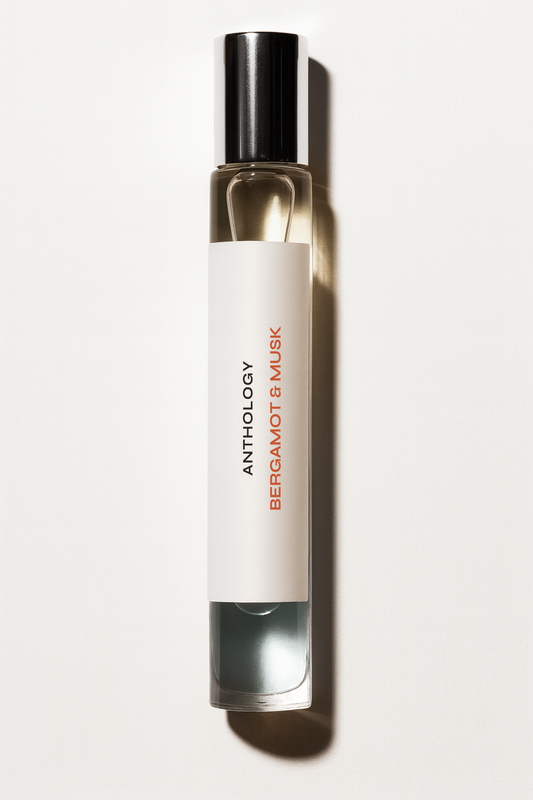
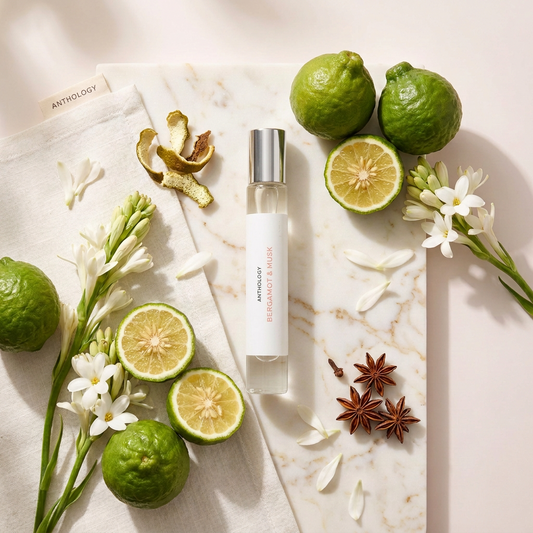
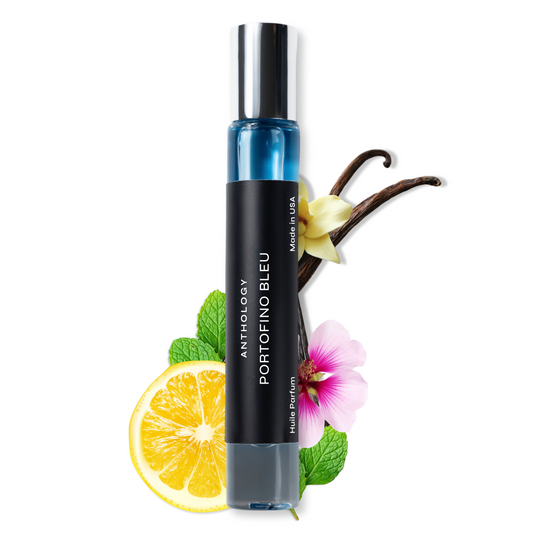
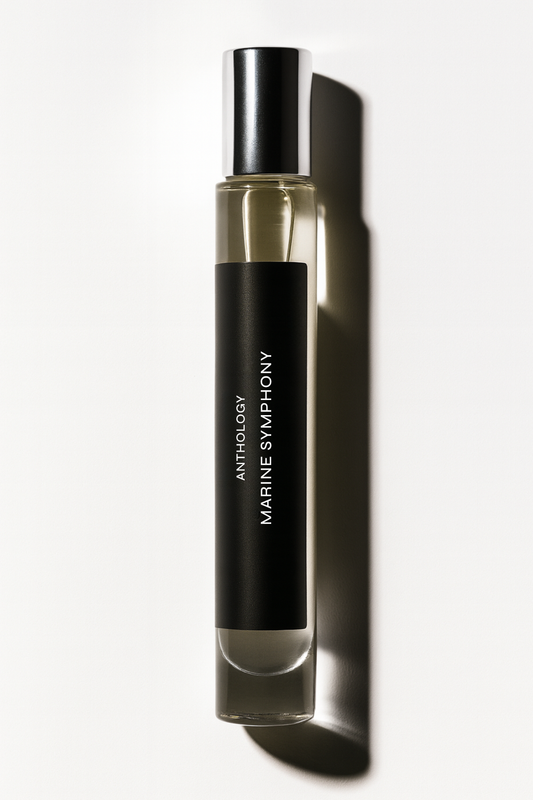
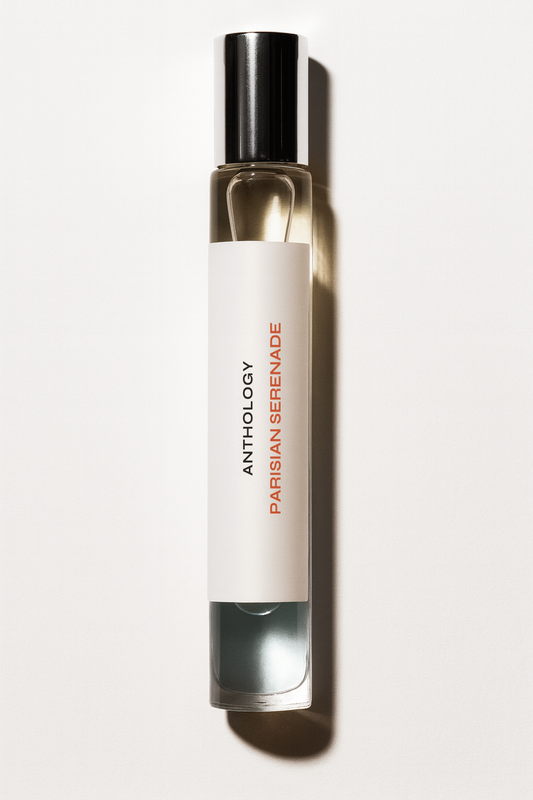
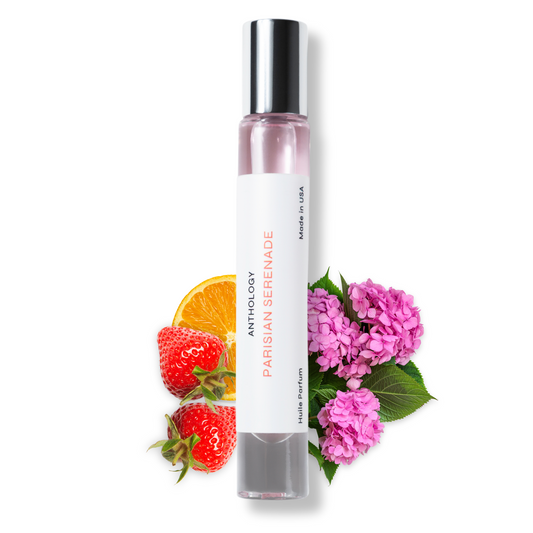
If you love that crisp, confident, well-tailored style, our perfume oils explore similar territory as original compositions of their own. Bergamot & Musk opens with blackcurrant and bergamot over patchouli, smoky birch, oakmoss, vetiver and musk. Citrus & Cedarwood layers lemon, grapefruit and bergamot with lavender, nutmeg, geranium, cedarwood and incense — a fresh aromatic in the spirit of the classic fougère.
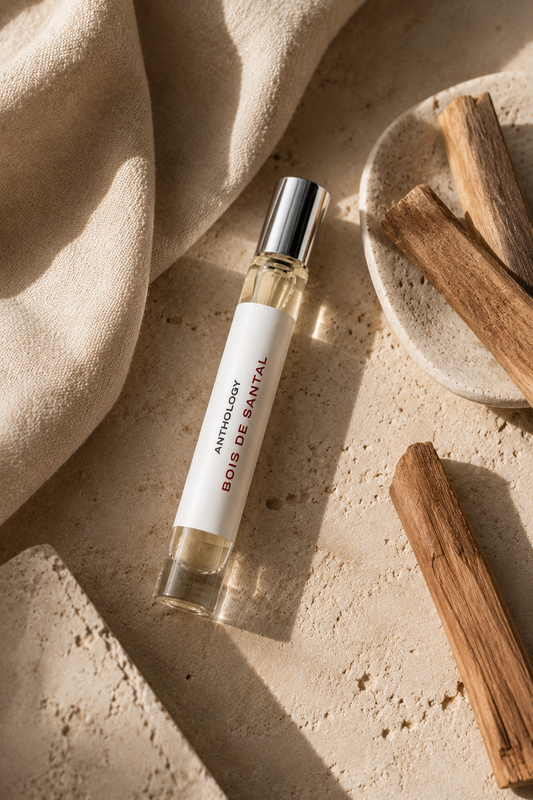
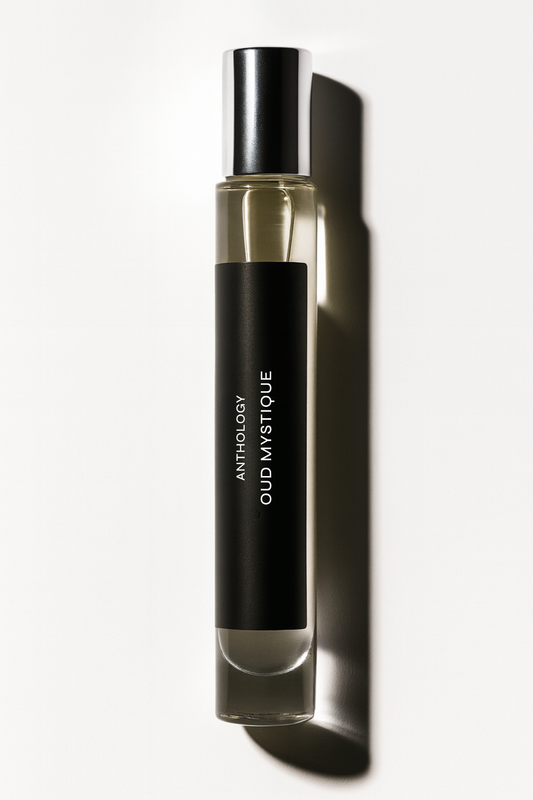
For something airy and invigorating, Chilly Pacific combines blackcurrant, citron and orange with basil, mint, fig and soft woods. Bois de Santal offers creamy sandalwood with cardamom, bergamot and a close-to-skin finish, and Oud Mystique wraps oud in cardamom, pepper, vanilla and amber for evening.
Because perfume oil sits close to the skin and evolves slowly with your body heat, it suits this polished, refined style beautifully — a quiet signature rather than a cloud. Explore the full Anthology Collection to find yours.